
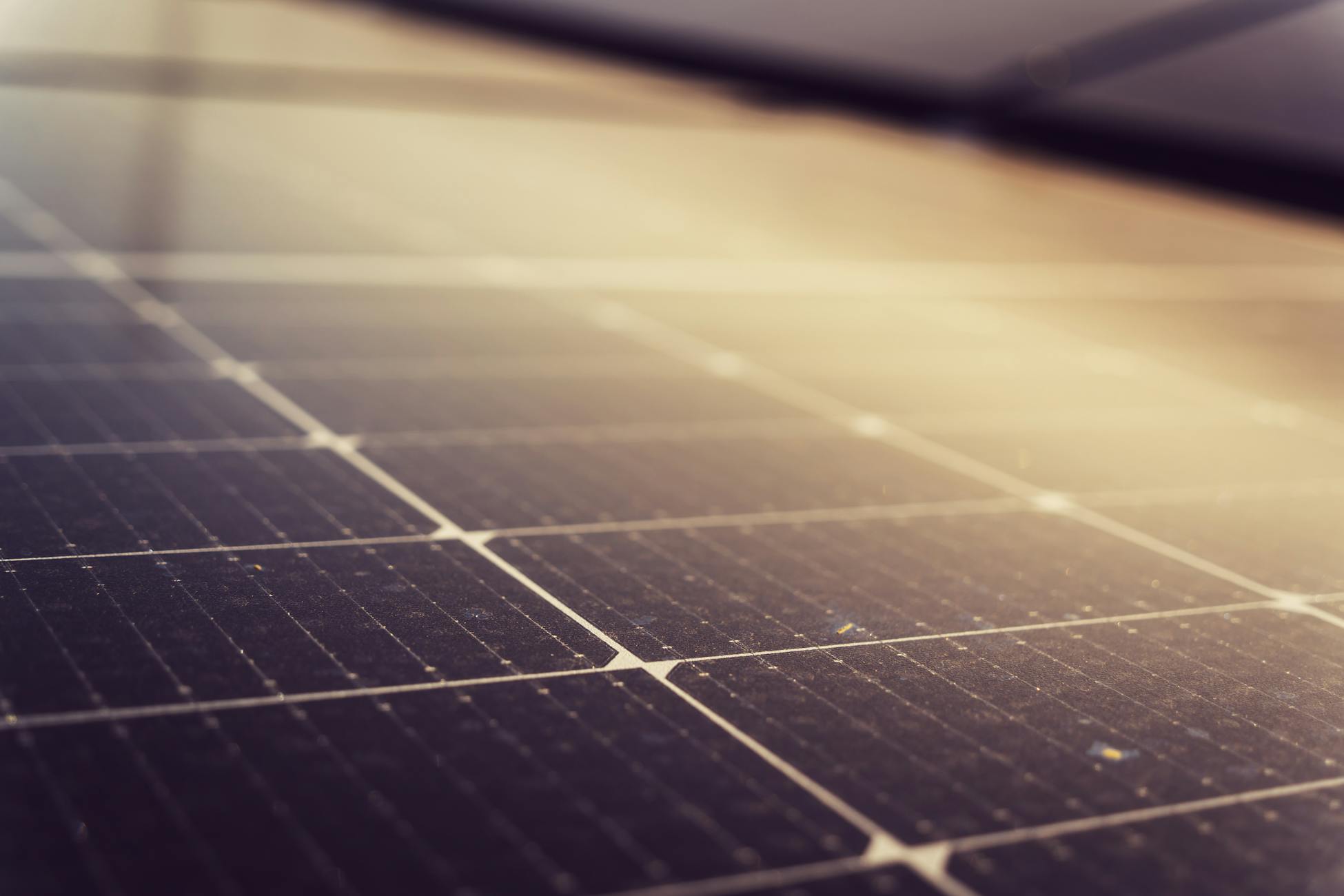
China’s solar boom is powered by coal. In 2023, China connected more new solar capacity to its grid than the United States has installed across the entire history of American photovoltaic deployment — and the overwhelming majority of those panels were manufactured using electricity derived from coal-fired generation. The milestone is regularly cited as evidence that the renewable transition is accelerating beyond the scenarios climate modelers projected even five years ago. What the cumulative-capacity framing obscures is the embedded carbon cost of the panels themselves, baked in at the point of manufacture and now distributed across rooftops on four continents.
The standard cultural framing of solar deployment tends to interpret it in one of two unhelpful directions. Either the panels are treated as inherently clean by virtue of their operational output, or the carbon cost of their manufacture is dismissed as a transitional inefficiency that will resolve itself as grids decarbonize. Neither framing accounts for what is actually happening in the supply chain that produces the world’s photovoltaic hardware.
The polysilicon corridor
The vast majority of the world’s polysilicon — the refined material at the heart of nearly every crystalline silicon solar panel — is produced in China, and much of that production is concentrated in Xinjiang and Inner Mongolia. These two regions were chosen by manufacturers for a specific structural reason: electricity in these provinces is among the cheapest in the world, and it is cheap because it comes overwhelmingly from coal. The polysilicon refining process is extraordinarily energy-intensive, requiring very high temperatures maintained for extended periods in the dominant production methods.
The result, by every available measure, is that the carbon footprint of a Chinese-manufactured solar panel is meaningfully higher than the panels produced a decade ago in jurisdictions with cleaner grids. Industry supply chain analyses have begun to surface this accounting, though it remains largely absent from the headline numbers that drive public perception of the transition.
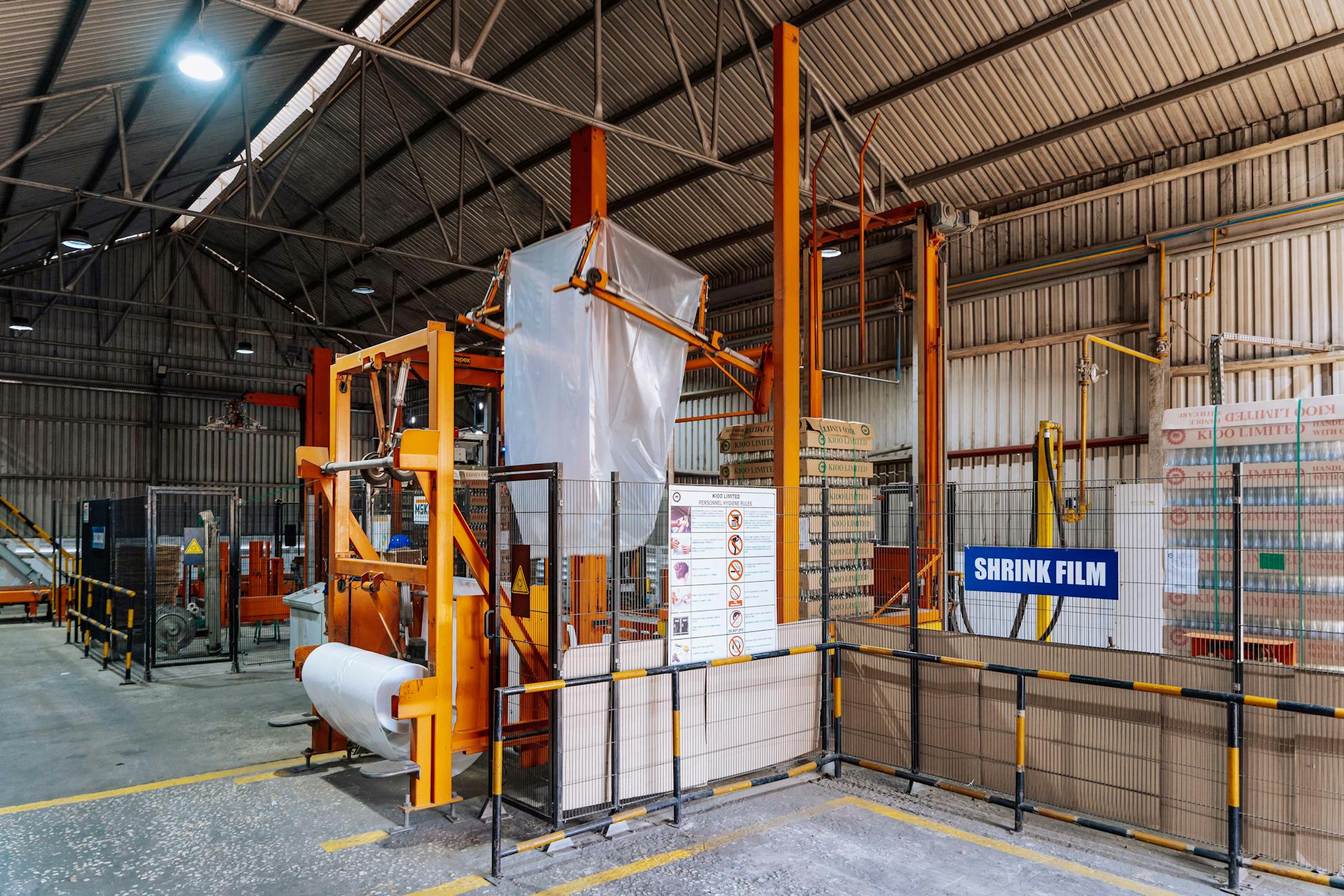
The energy payback period — the time a solar panel must operate before it generates the equivalent of the energy consumed in its manufacture — varies depending on the climate where the panel is installed and the grid mix where it was produced. The payback calculation shifts considerably when the manufacturing electricity is coal-derived and the operational electricity displaces a grid that is already partially decarbonized. The panel still ends up carbon-positive over its multi-decade operational lifetime. But the front-loaded carbon debt is larger than the simplified narrative suggests.
The paradox of parallel expansion
China’s energy buildout, on honest accounting, is not a substitution. It is an addition. The country has been simultaneously expanding both its renewable capacity and its coal-fired generation, and coal capacity has continued to grow through the period in which China has also become the dominant manufacturer and installer of solar photovoltaics. The same provinces that host the polysilicon refineries are also hosting new coal capacity, often justified by grid operators as necessary baseload to support the variability of the renewables themselves.
The Chinese solar manufacturing base is, in effect, using coal-fired electricity to produce panels that are then exported to other jurisdictions where they will displace coal-fired electricity. The net carbon balance remains positive — the panels do reduce emissions over their lifetimes — but the geographic and temporal distribution of that carbon shifts in ways the cumulative-capacity framing does not capture. Embedded emissions are concentrated up front, in Xinjiang and Inner Mongolia, and then offset gradually over twenty to thirty years on rooftops in Europe, Southeast Asia, Australia, and increasingly Africa. A panel manufactured in a coal-fired province and installed in a region with an already-low-carbon grid produces a different climate outcome than the same panel manufactured in a renewable-powered facility and installed in a coal-dependent region. The long-term decarbonization trajectory for China’s own electricity sector remains uncertain enough that the polysilicon corridor’s carbon intensity may not shift meaningfully for another decade.
The 2023 installation figure is real, and the comparison with the entire historical American buildout measures something genuine — the speed at which photovoltaic hardware can be manufactured and installed under state-directed industrial conditions. But it flattens structural differences worth slowing down on. American solar deployment occurred over several decades, with significantly older panels in the early portion of that history representing technology that was both less efficient and more carbon-intensive per watt. Chinese deployment in 2023 represents current-generation hardware, with capacity factors and energy densities the early American installations could not approach. By 2025 the annual figure had climbed further, suggesting the 2023 milestone was not an endpoint but a midpoint in an ongoing acceleration.

The other element the headline numbers tend to obscure is land use. Solar deployment at gigawatt scale requires land area that is considerably larger than the equivalent capacity in coal, natural gas, or nuclear generation. China has resolved this constraint by siting much of its utility-scale solar in the Gobi and other desert regions, which has produced large desert installation projects now visible from orbit.
The behavioral dimension
The cumulative-capacity framing produces a particular kind of public confidence that may itself be consequential. Evidence suggests that visible renewable deployment can paradoxically reduce the political and individual motivation to address emissions through other means. The mechanism is straightforward: if the transition appears to be happening, the perceived urgency of further structural change declines, even when the underlying carbon accounting is more ambiguous than the deployment figures suggest.
This is not an argument against solar deployment. The lifetime carbon accounting still favors deployment over non-deployment in virtually every grid scenario examined. The argument, more precisely, is that the milestone-based framing of the transition omits the embedded-carbon ledger in ways that distort both public understanding and policy design.
What the next decade actually requires
The decarbonization of solar manufacturing itself is the structural bottleneck that the deployment narrative has not yet absorbed. Manufacturing capacity is expanding outside the Chinese polysilicon corridor, with new facilities planned or under construction in various regions globally. The grid mixes in these new manufacturing regions vary considerably, and the embedded carbon of panels produced in them will reflect that variation. Alternative photovoltaic technologies that require less energy-intensive manufacturing — including perovskite cells and carbon nanotube architectures — are advancing through laboratory and pilot-scale production, though commercial deployment at scale remains some years away. End-of-life recycling for the current generation of silicon panels is beginning to develop as an industry, which would reduce the carbon intensity of future panels by displacing virgin polysilicon production with recovered material.
The implications are concrete. Policymakers designing carbon border adjustment mechanisms, such as the European Union’s CBAM, should extend their scope to cover embedded emissions in photovoltaic imports — currently a structural exemption that subsidizes coal-fired manufacturing through the back door. Procurement standards for utility-scale solar projects, particularly those funded with public money, can require lifecycle carbon disclosure rather than nameplate capacity alone, which would create immediate price pressure on the cleanest manufacturing facilities and reward the diversification of supply away from the coal-powered corridor. Consumers and corporate purchasers signing power purchase agreements can ask the same question of their installers: where were these panels made, and on what grid. The information is recoverable, even if it is not currently surfaced.
The cumulative-capacity comparison between China’s 2023 deployment and the entire historical American buildout measures the speed at which hardware can be manufactured and installed. It does not measure the carbon ledger of that hardware, the geographic redistribution of embedded emissions, or the behavioral consequences of treating installation milestones as evidence of transition completion. The transition is happening. The conditions under which it is happening contain contradictions the headline numbers were not designed to surface — and the next decade of policy will be measured by whether those contradictions are addressed or absorbed into the silence of the milestone.
