
The conventional read on a person who keeps a dead parent’s reading glasses in the drawer, or a kitchen drawer full of utensils nobody has used since 2004, is that they have a clutter problem. Marie Kondo would ask if the spatula sparks joy. A well-meaning sibling might suggest a weekend with contractor bags.
But the clutter framing can miss what is actually happening for the person who cannot throw out their mother’s handwritten recipe card. They may not be failing at tidying. They may be trying to keep a reachable piece of someone they can no longer call.
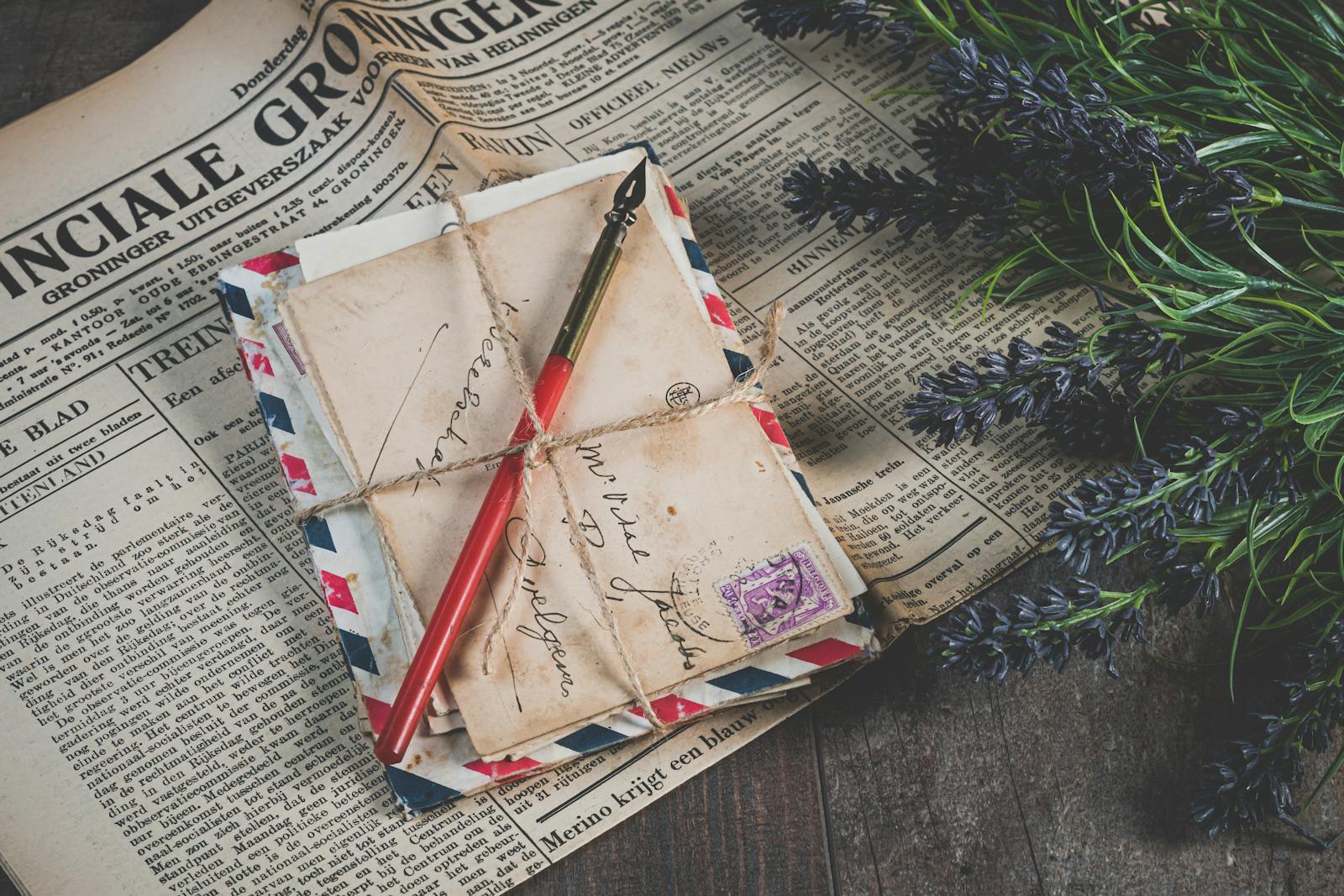
Some objects are not kept because they are useful. They are kept because they still carry a person. The handwriting, the glasses, the sweater, the dull kitchen knife, the mug nobody else liked. Each one can function as a physical trace of a relationship that has changed shape but not disappeared.
Why handwriting can feel different from everything else
Research on grief and the brain has helped explain why grief is not simply a matter of knowing someone is gone. It can involve the brain systems tied to attachment, reward, memory, and expectation. When someone was deeply loved, the mind built a world in which that person was reachable. A phone call away. In the next room. Available.
Death does not instantly erase that inner map. It contradicts it. For a while, and sometimes for a long while, the person can feel absent and expected at the same time.
That is part of why handwriting can carry such force. It is not just information. It is motion frozen on a page. The pressure of the pen, the shape of the letters, the small unevenness of a word written quickly. A typed recipe says what to cook. A handwritten recipe can feel like evidence that the person was here.
This is where the unused kitchen tools come in.
Objects as attachment anchors
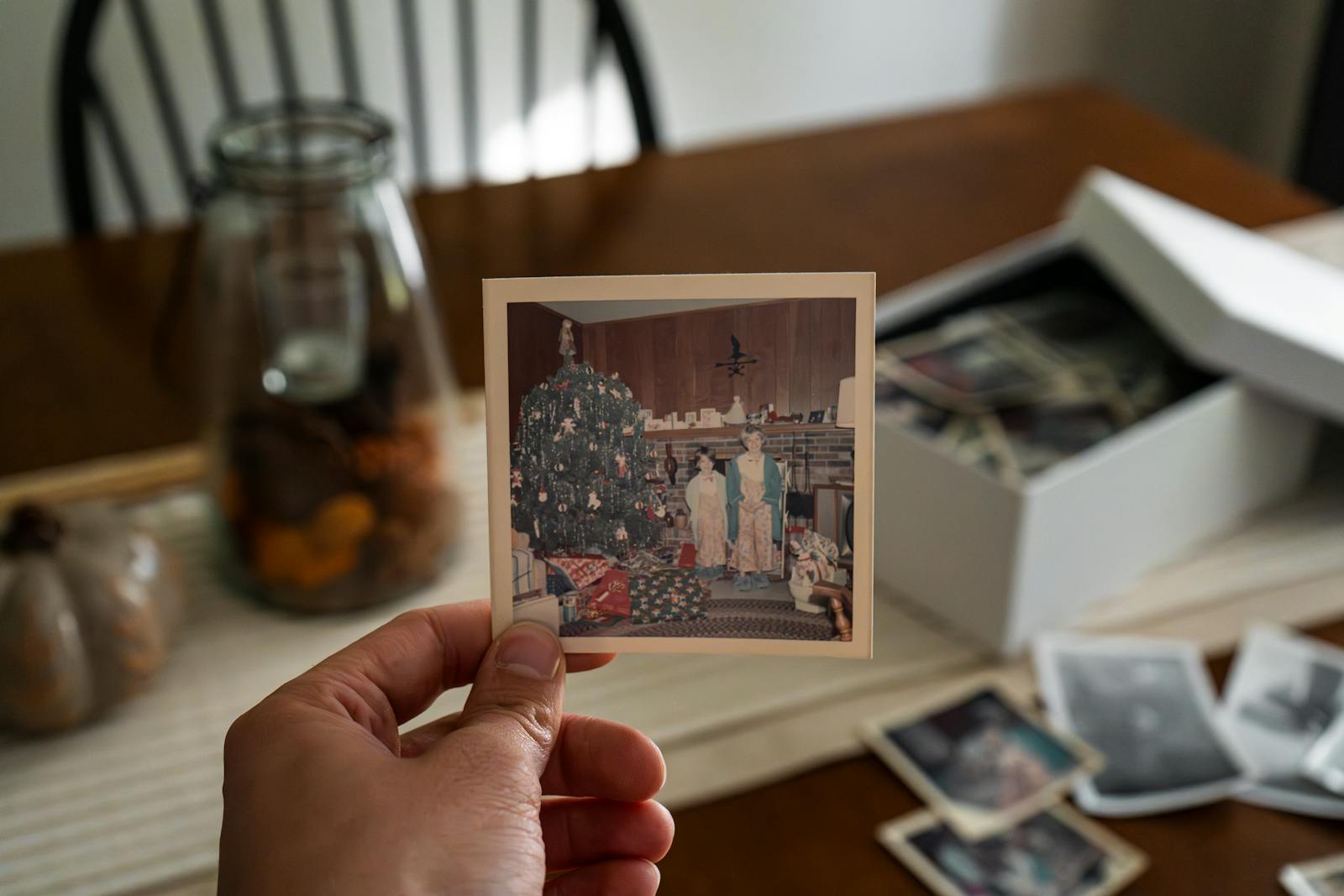
An object that belonged to someone loved can carry a kind of emotional information the brain recognizes quickly. The ladle a grandmother used every Sunday has been touched over and over by someone who is no longer reachable. The cardigan still smells, faintly, of another house. The reading glasses kept in the drawer suggest a face, a posture, a routine.
For many people, this is not pathological. It is a way of letting the relationship remain present in manageable doses. The childhood bedroom kept exactly as it was may not be denial. It may be a room-sized reminder that the relationship happened.
The same principle can appear outside human bereavement. A Psychology Today discussion of pet loss and attachment makes a related point: attachment does not become emotionally small just because the relationship falls outside the usual human categories. The leash hanging by the back door years after a dog died can be doing the same kind of work as a father’s wristwatch in the bedside drawer.
Why some people keep more than others
Not everyone responds to loss by preserving a room. Some people empty the house in a weekend and feel relief. Others cannot part with a single dish towel for a decade. That difference is not simply character. It can reflect temperament, family history, the nature of the relationship, the circumstances of the death, and how safe or fragile connection has felt across a person’s life.
Research discussed by Bucknell University found that fearful and preoccupied attachment styles are associated with anxiety about relationships, fear of abandonment, and relational ambivalence. That study was about family size, not grief or inherited objects, so it should not be stretched beyond what it shows. But it is useful as context for why attachment patterns matter. People do not all experience connection with the same level of security.
It would be reductive to say insecurely attached people keep their parents’ belongings while securely attached people do not. Grief is far too individual for that. But it is reasonable to observe that a person who already feels connection as fragile may experience a death differently from someone who has long trusted that love can survive distance, conflict, and change.
For that person, the childhood bedroom may not feel like a shrine. It may feel like proof. Proof the person existed. Proof the relationship was real. Proof they have not been left as alone as they fear.
The line between ordinary grief and being stuck
Most people who keep their parents’ handwriting are not clinically stuck. They are grieving in a human way, and the objects are part of that process.
Prolonged grief disorder describes something more severe than ordinary attachment to belongings. It involves persistent yearning and distress that interferes with a person’s ability to adapt to the loss over time. The issue is not whether someone kept a sweater, a bedroom, or a box of letters. The issue is whether life has narrowed around the loss and cannot begin moving again.
The bedroom kept intact for fifteen years is not, by itself, evidence of disorder. Plenty of people preserve a parent’s room and still go to work, raise children, make friends, and form new attachments. What matters is whether the preserved space sits inside a life that is still changing, or whether it has become the border of a life that stopped.
The objects, in that sense, are rarely the whole problem. The problem is when nothing new is allowed to enter the room.
Continuing bonds are not the same as refusing to move on
The old language of grief often implied a clean break. Let go. Move on. Clear the room. Start again.
But many people do not experience love that way. They do not stop having a relationship with the dead. They change the terms of the relationship. They make the recipe every December. They keep the handwriting in a drawer. They tell the same story when someone new asks about the old photograph. They carry forward a phrase, a habit, a standard, a warning, a laugh.
That continuing bond is not automatically a failure of grief. For many people, it is grief. The task is not to delete the person. It is to find a way to live with the fact that the relationship now has no ordinary future.
The handwriting in the drawer is part of that. So is the recipe made every winter. So is the spatula nobody else would think to keep.
Why the digital version is harder
Younger generations are running into a new version of the same problem. The objects of an inherited life are increasingly digital: text threads, voicemails, social media accounts, voice notes, shared playlists, old videos, cloud folders. The handwriting that anchors a sixty-year-old to their mother may not exist for someone whose mother typed everything.
Still, the behavior is recognizable. A saved voicemail can become the new recipe card. A text thread can become the new drawer. A video clip can become the new bedroom, opened only when the person feels able to visit.
The digital version can be more complicated because it is so easy to keep everything. A box of letters has edges. A drawer fills up. A room has a door. A phone can hold years of messages without forcing a decision, which means the bond can stay both close and unresolved for longer than anyone planned.
That does not make the attachment wrong. It simply changes the shape of the question. What is this object, file, message, or recording doing for the person who keeps it? Is it helping the relationship settle into memory, or is it keeping the loss permanently live?
When the objects are doing too much
There is a version of this that turns harmful. If the kitchen tools nobody uses are filling so many drawers that the kitchen no longer functions. If the childhood bedroom is preserved at the cost of a marriage because no partner is allowed to enter it. If sorting through a parent’s handwriting still produces the same collapse years later as it did the week after the funeral.
That is different from sentiment. It suggests the object may be carrying more weight than any object can safely carry.
Even then, the most useful question is not usually, “Why don’t you throw this away?” It is, “What does this let you keep?” The object may be protecting a story the person has not yet found another way to hold.
The goal does not have to be throwing everything out. It may be learning to hold the loss without being held in place by it. The bedroom can stay. What changes is whether the person can also leave it.
The wider point about everyday attention
One of the quieter mistakes people make around grief is assuming the important evidence will be dramatic. The funeral. The last words. The hospital room. The anniversary.
Sometimes the truer evidence is smaller. The reading glasses kept on the side table. The cardigan that still smells, faintly, of someone else’s house. The handwriting on the back of an envelope that says milk, bread, call David.
These are not just things. They are the parts of the relationship that survived the relationship’s ordinary form.
Ask someone what they could not throw out and it often reveals more than a timeline of the death. It shows what the person still reaches for. The voice. The care. The proof. The unfinished conversation.
What this asks of the people around them
If someone you love is keeping their parents’ kitchen intact a decade later, the most useful response is probably not a gentle suggestion about decluttering. It is to ask what the spatula meant. Whose hand held it. Which Sunday it belonged to.
That does not mean every object must be protected forever. It means the object should be understood before it is judged. What looks useless from the outside may be doing quiet emotional work on the inside.
The throwing out, when it comes, tends to come on its own. Not because someone insisted. Because the person finally trusts that the relationship survives without the object holding it in place.
