
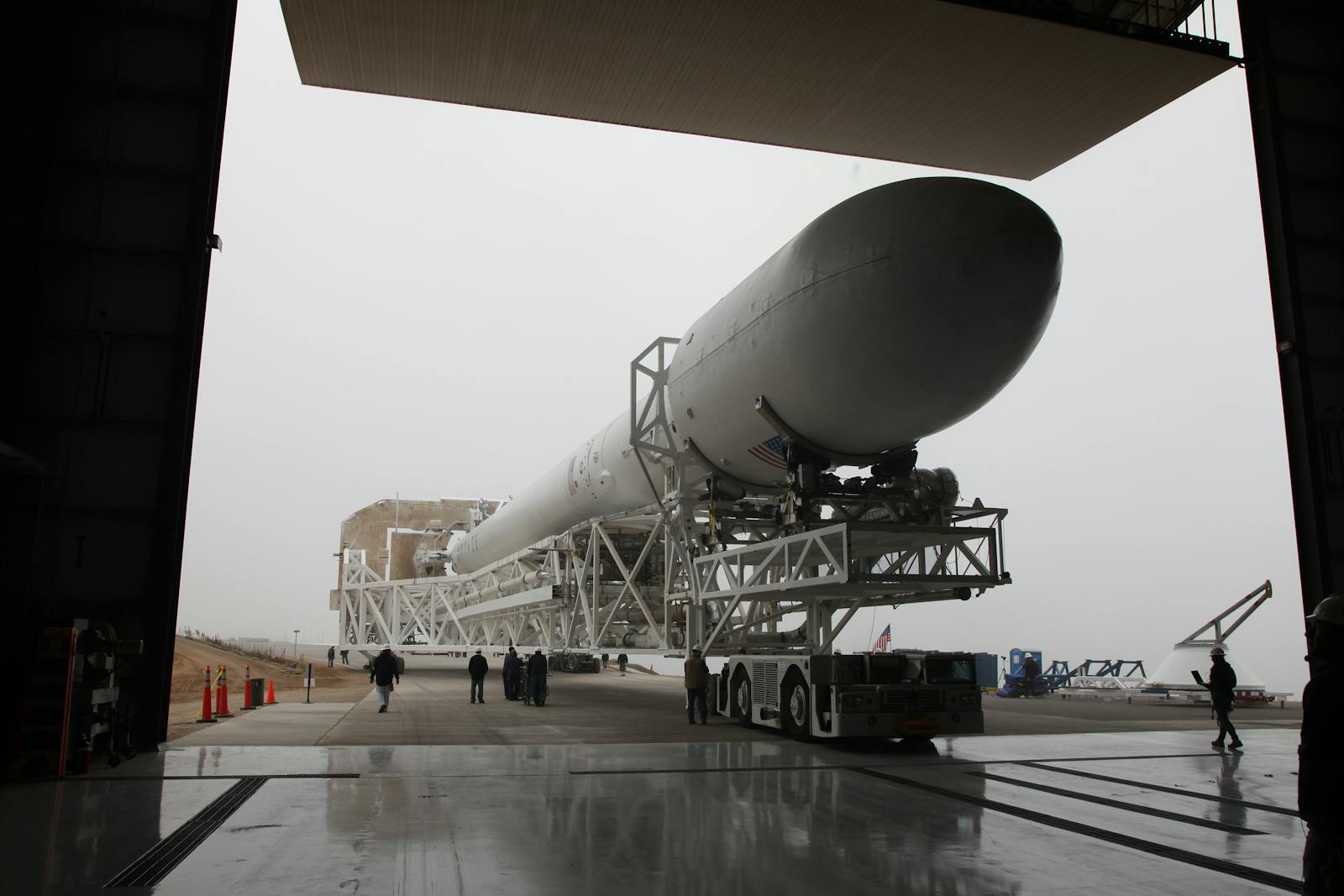
NASA says it will launch a nuclear-powered interplanetary spacecraft to Mars before the end of 2028, a deadline that would move space nuclear propulsion out of the study-and-test world and into flight hardware faster than many people in the industry would have expected.
The mission is called Space Reactor-1 Freedom. NASA describes it as the first nuclear-powered interplanetary spacecraft, designed to demonstrate nuclear electric propulsion in deep space while carrying a payload of Mars helicopters.
That distinction matters. This is not the same thing as the nuclear thermal rocket engines that NASA and the old Atomic Energy Commission tested during the Cold War. It is a nuclear-powered spacecraft, not a chemical rocket with a reactor replacing the combustion chamber. But the political question is similar: can NASA finally turn six decades of nuclear-space ambition into a mission that actually flies?
The answer now sits partly with Jared Isaacman, the billionaire private astronaut who became NASA administrator after a bruising nomination fight. The US Senate confirmed Isaacman in December 2025, months after Donald Trump first withdrew and then revived his nomination. His arrival gave NASA a leader publicly associated with speed, commercial space, and a willingness to challenge the agency’s slower institutional habits.
Breaking a 60-year stall
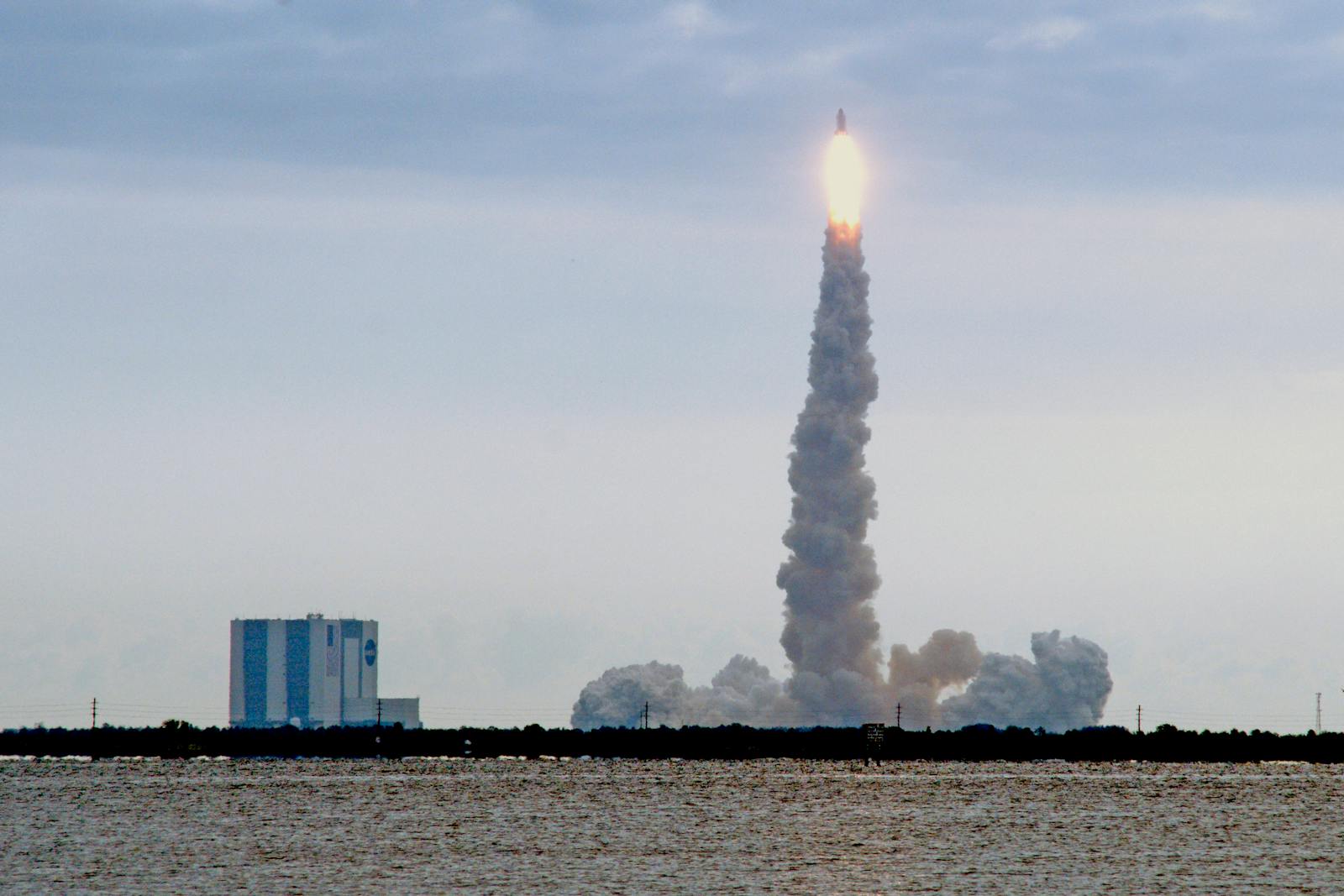
Nuclear propulsion has spent more than 60 years somewhere between engineering reality and space-age myth. The physics was never the main obstacle. The United States tested nuclear rocket hardware repeatedly during the Rover and NERVA era, but it never flew a nuclear propulsion system in space.
NASA’s own history of nuclear rockets makes the pattern clear. Rover began with basic reactor and fuel-system research. NERVA then pushed toward a flyable engine. A later phase, Reactor-In-Flight-Test, was meant to become an actual launch test. But funding fell, priorities shifted, and the program was canceled in 1973 before any flight test took place.
That history is why SR-1 Freedom matters even though it is a nuclear electric spacecraft rather than a nuclear thermal rocket. It is another attempt to cross the boundary NASA has approached many times: moving from promising ground work and design studies to an operational nuclear system in space.
Why Isaacman changes the story
Isaacman did not invent NASA’s nuclear-space ambitions. The agency had already been working with DARPA on nuclear thermal propulsion through the DRACO program, and NASA has studied nuclear electric power and propulsion for years. But the timing of the SR-1 Freedom announcement places the mission squarely inside Isaacman’s first year as administrator.
That makes the project a test of leadership as much as technology. NASA’s problem with nuclear propulsion has rarely been a lack of imagination. It has been continuity. Programs begin, funding changes, political attention drifts, and the technology returns to papers, contracts, and future-roadmap language.
Isaacman arrived at NASA with unusual credibility among commercial-space advocates because he had personally funded and flown private SpaceX missions. That does not automatically make him capable of bending a federal agency to his will. But it does mean he has less attachment to the slow consensus culture that often governs expensive, risky programs.
What nuclear electric propulsion would actually do
SR-1 Freedom is meant to demonstrate nuclear electric propulsion. In simple terms, that means a reactor produces electricity, and that electricity powers a propulsion system for deep-space travel. The thrust is far lower than a chemical rocket or nuclear thermal engine, but the efficiency can be valuable for moving cargo and large systems through deep space.
That is different from the nuclear thermal rocket concept most people picture. In a nuclear thermal engine, a reactor heats propellant to extreme temperatures and exhausts it through a nozzle. NASA has described nuclear thermal propulsion as a way to shorten crewed deep-space transit times, which could reduce astronaut risk and lower the amount of supplies required for a Mars mission.
Both approaches point toward the same larger goal: making Mars missions less dependent on the limits of chemical propulsion. Nuclear thermal propulsion is more closely tied to fast crew transport. Nuclear electric propulsion is more naturally suited to efficient cargo movement, high-power deep-space missions, and infrastructure that does not have to travel on the same timeline as astronauts.
The deadline is the real story
NASA’s public target is not vague. The agency says SR-1 Freedom will launch to Mars before the end of 2028. For a first-of-its-kind nuclear-powered interplanetary spacecraft, that is an aggressive schedule.
The difficulty is not just the reactor. It is the full chain of flight readiness: power conversion, thermal management, spacecraft integration, deep-space operations, launch approval, safety analysis, and the industrial base needed to build nuclear systems reliably enough for spaceflight.
There is also a credibility problem. Aerospace timelines slip even when the technology is familiar. First-of-a-kind nuclear systems have even less margin for optimism. If SR-1 Freedom launches late, that alone will not prove failure. The deeper question is whether the political and budgetary support survives the first serious delay.
A test of institutional patience
The strongest version of this story is not that one administrator can magically end 60 years of hesitation. NASA is too large, too regulated, and too dependent on Congress for that. The stronger version is that a public deadline changes the internal psychology of the program.
Once NASA gives a mission a name, a destination, and a launch window, the burden shifts. Nuclear propulsion is no longer just a promising capability for future Mars architectures. It becomes something the agency has said it will fly.
That is why Isaacman’s role matters. If he can keep the program visible, funded, and politically defensible through inevitable technical problems, SR-1 Freedom could become the mission that finally gives American space nuclear propulsion real flight heritage. If he cannot, it risks becoming another chapter in a familiar story: a technology that always looks transformative, always looks close, and somehow always remains just beyond the launchpad.
The reactor may be the hardware. The deadline is the experiment.
