

As part of a scheme to revamp its national parks to promote tourism and protect wildlife, Kenya on Thursday launched a new project to conserve the famed Tsavo East and West National Parks, home to the country’s largest populations of elephants.
The Kenya Wildlife Service (KWS) and International Fund for Animal Welfare (IFAW) said the 1.25-million-dollar (1.02-million-euro) project would enhance park operations, rehabilitate infrastructure, improve law enforcement, research and conservation as well as reduce human-wildlife conflicts.
KWS said it needs more funds to protect the 21,000-square-kilometer (8,100 square-mile) Tsavo parks, about 300 kilometers (185 miles) southeast of the capital, which is regarded as a nexus for human-wildlife conflict.
“Bandits, bushmeat hunters and human-wildlife conflict pose a serious threat to biodiversity within this ecosystem,” KWS chairman Daniel Ndonye said.
“To manage these threats, KWS needs rangers, fuel, aircraft and field worthy vehicles for effective patrols and anti-poaching operations,” he said.
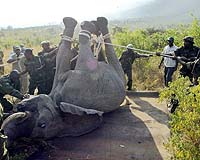
Currently, KWS is moving 400 elephants from an overcrowded reserve near the Indian Ocean coast to Tsavo, to add to the estimated 10,581 already there.
But a survey carried out last year found that more than 90,000 livestock from farms on the edges of the parks were encroaching into the protected space and possibly affecting the elephants living there.
Created in 1948, East and West Tsavo – collectively known as Tsavo ecosystem – are home to the largest single populations of elephants and rhinos in Kenya in addition to 60 other mammal species and more than 400 bird species.
