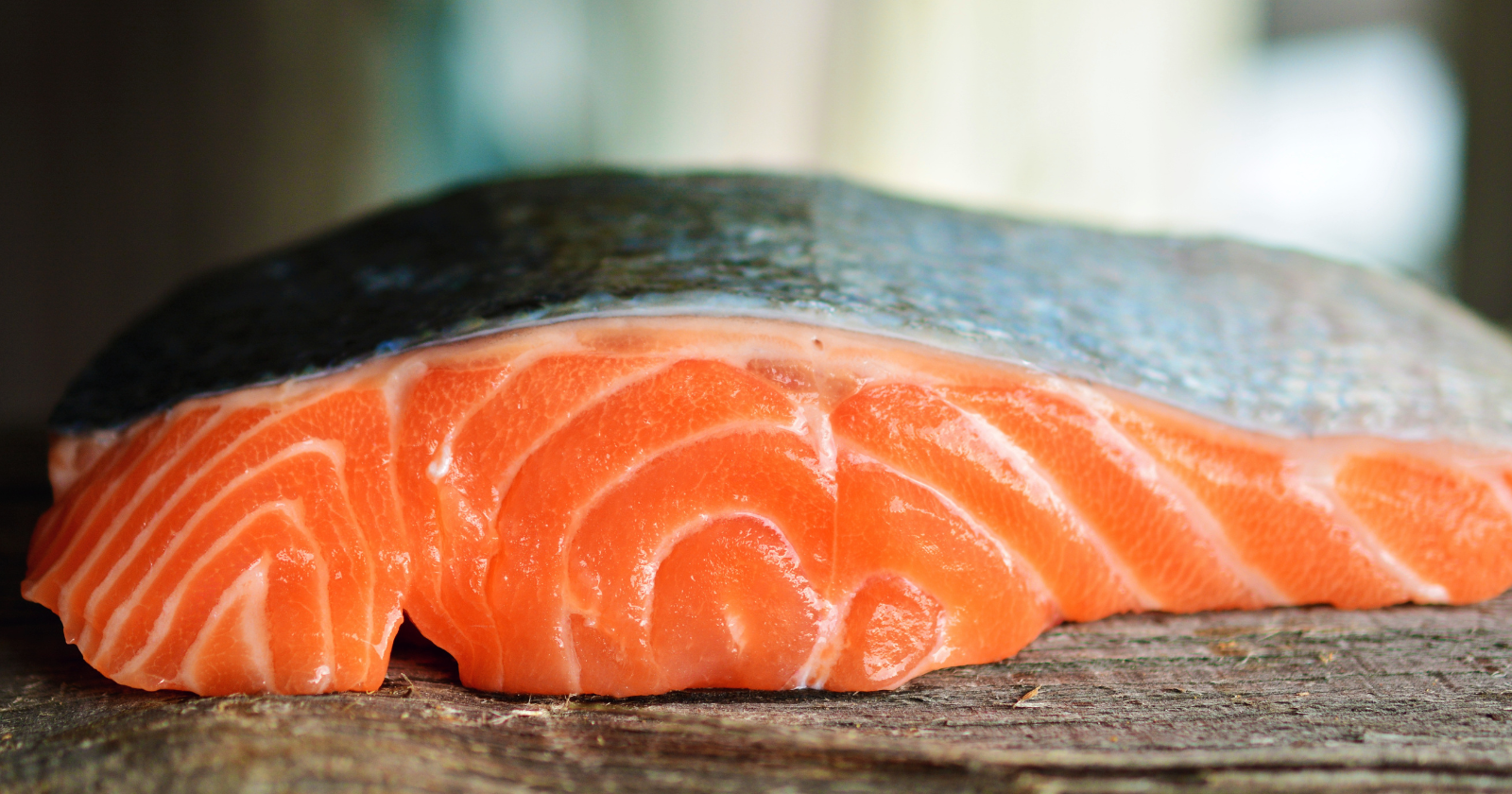
Somewhere in an Oslo supermarket sits a packet of smoked salmon that has crossed the Norwegian border twice, and nobody in the supply chain finds this strange.
Norway turned farmed salmon into a global commodity, and it did so at a scale that still looks absurd on paper. In 2025 the country shipped out 1,414,909 tonnes of the fish, worth NOK 124.7 billion, per figures published by the Norwegian Seafood Council. It also buys salmon from other countries.
The volumes involved are tiny, which is precisely what makes them worth a look.
What the trade figures actually show
The most detailed public breakdown comes from a 2023 survey of Nordic seafood systems, published by the Nordic Council of Ministers, which puts hard numbers on the oddity. Norwegian farms produced 1,542,480 tonnes of Atlantic salmon in 2023 and exported 1,407,329 tonnes of it, roughly 91 per cent of the harvest. Salmon imported for human consumption that year came to 473 tonnes, worth NOK 76 million.
Call it one imported tonne for every three thousand produced.
Composition tells you more than the total does. Just 264 tonnes arrived as fresh whole fish. Everything else turned up as fillets, as salted and smoked product, and as prepared goods, and almost all of it came from Nordic neighbours rather than from rival farming nations like Chile or Scotland. Whole fish leaves, cut and cured fish returns.
Why the fish leaves in one piece
Blame the tariff schedule. Research published in the journal Aquaculture Economics & Management on Norwegian salmon value chains notes that exporters pay a token 2 per cent to send whole gutted salmon into the EU, while processed forms such as fillets attract around 13 per cent. Add labour costs, and the incentive to keep a knife out of the fish becomes overwhelming.
Norwegian consultancy INAQ makes the same point from the industry side: high wages price Norway out of filleting and smoking, and more than three-quarters of its salmon takes the fastest available route to Europe. What the country has built instead is slaughter capacity: roughly 45 heavily automated plants, mostly owned by the farming companies themselves.
Kill the fish, gut it, chill it, load it, gone. Value-adding is somebody else’s business model.
Poland does the knife work
That somebody is largely Polish. Poland took 89,000 tonnes in the first half of 2025, a 17 per cent jump, as documented by The Fish Site, which makes it both the biggest processor of Norwegian salmon and the biggest buyer of it whole. Polish plants fillet, smoke, portion and pack the fish before it moves on to supermarkets across the EU.
A sliver comes back the other way. So a fish can be hatched in a Norwegian hatchery, grown in a Norwegian fjord, gutted at a Norwegian slaughterhouse, trucked to a Polish factory, sliced and cold-smoked there, and sold in a Norwegian shop at a healthy markup, without a hitch.
Nothing about that requires a conspiracy or a policy failure. Tariff walls reward whole fish, wage differentials reward foreign labour, and a supermarket in Trondheim buys smoked salmon from whoever smokes it most cheaply. Norway has 5.5 million people and produces about 281 kilograms of salmon per person; only around 135,000 tonnes of the 2023 harvest stayed home, which works out at a hearty 25 kilograms each.
The import that actually matters
So what does Norway actually need to buy from the rest of the world?
Salmon are carnivores that Norway feeds on pellets it cannot source domestically. A SINTEF Ocean study in Frontiers in Marine Science found that 92 per cent of the ingredients in Norwegian salmon feed were imported in 2020, leaving only 8 per cent sourced from the country’s own fishing fleets and fish farms. Soy protein dominates the plant-based share and about four-fifths of it is South American. Rapeseed oil comes mainly from Europe, with a quarter sourced from Russia or Belarus.
Scale that against the fish. Growing 1.39 million tonnes of salmon in 2020 consumed 1.87 million tonnes of feed, so for every tonne of salmon Norway raised, considerably more than a tonne of agricultural commodity had to arrive first. The Nordic Council survey lists feed dependency as one of the sector’s most serious structural weaknesses, and Norway has set itself a target of sourcing a quarter of feed ingredients domestically by 2034.
One paper is one paper, and the 92 per cent figure rests on a single 2020 audit, not a decade of accumulated consensus. The direction of travel is not seriously disputed, though, and every salmon farmer in the country knows which way the pellets flow.
What the round trip is really telling you
Salmon looks like a Norwegian product the way an iPhone looks like a Californian one. The biology happens in a fjord, the branding happens in Tromsø, and a good chunk of the actual manufacturing happens in a Polish industrial park, because that is where the numbers say it should happen.
Which leaves the import column reading as a footnote when it should read as a warning. Those 473 tonnes of smoked and filleted salmon are a rounding error and a fun fact. The soy and rapeseed oil steaming in from two continents away are the load-bearing part, and a bad harvest in Mato Grosso would be felt in a pen outside Bodø long before it showed up as a gap on a supermarket shelf.