
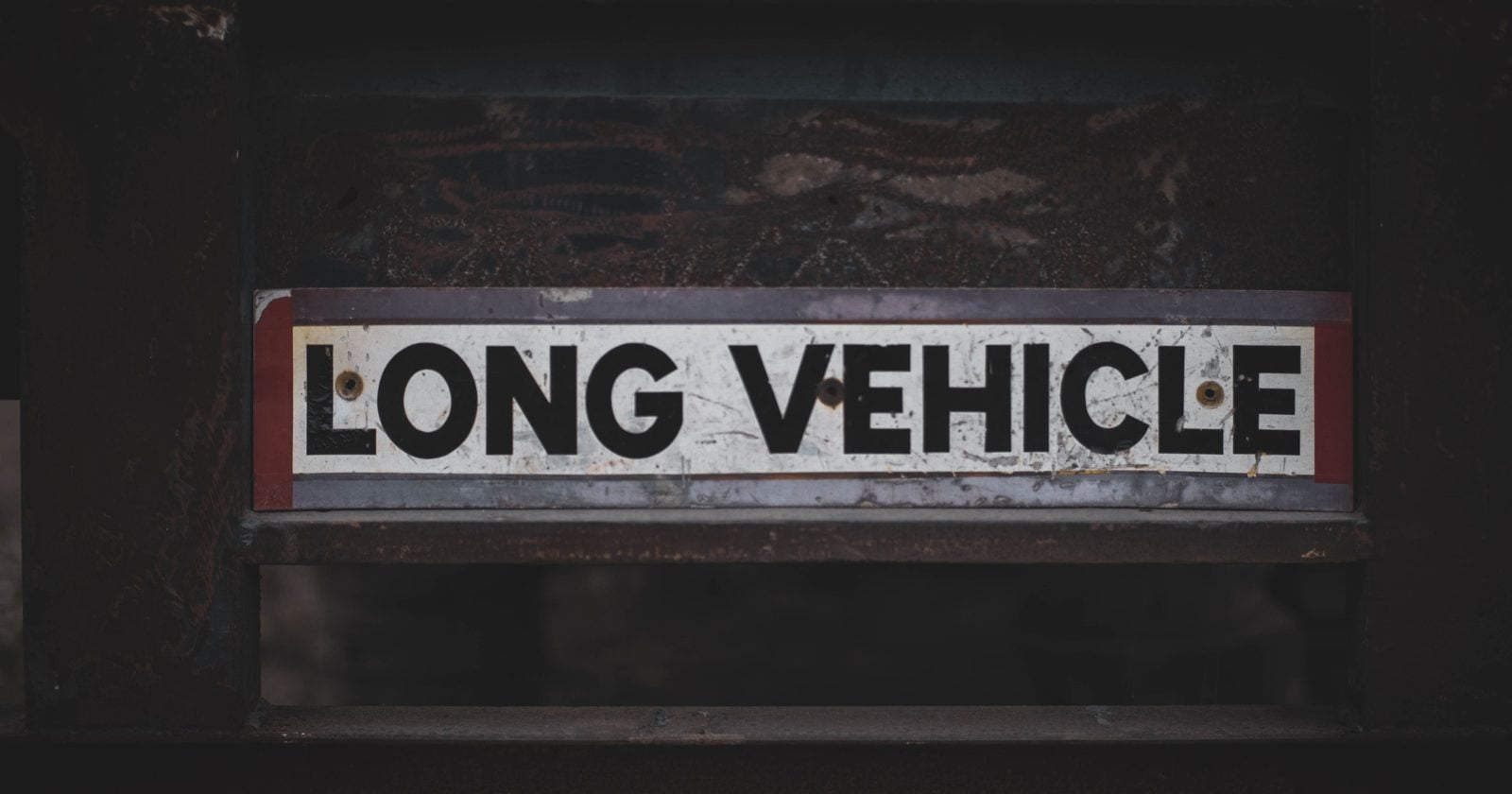
Some problems shrug off every obvious fix. Melbourne’s Napier Street rail bridge in Footscray is a good example. The bridge carries trains over a busy road, with just four metres of space underneath, and trucks that are too tall kept smashing into it. Not once or twice. VicRoads eventually counted 86 incidents involving the bridge or the beams protecting it. When the state announced its fix in 2017, the count already stood at more than 70 strikes since 2005.
So the authorities threw everything at it. And drivers still hit it. The tempting conclusion is that the drivers are simply careless. We think that read is too easy, and the evidence points somewhere more useful.
What is actually bolted onto this bridge
Napier Street is not a bridge with one faded warning sign. VicRoads spent $1.2 million (AUD) on a laser system that spots over-height trucks and sets off flashing warnings, red stop lights and electronic message boards. It spent a further $600,000 realigning the bright yellow protection beams that sit in front of the bridge. On top of all that sit 28 height warning signs on the approaches.
The system was pitched with real confidence. The technology is designed to “detect vehicles before they reach the bridge and alert the driver while there’s still time to take an alternate route,” the state said. Then-roads minister Luke Donnellan was blunter about the drivers who still managed to hit it. “You’ve really got to be a d**khead in ignoring every sign to hit a bridge,” he said. It is a memorable line, and probably where most people land when they hear the story. We’d argue it’s the wrong place to stop.
Why “the drivers are just careless” is too simple
Let’s start with a fact that changes the whole picture: most drivers genuinely do not know how tall their vehicle is. Network Rail research in Britain found that 32% of drivers admitted setting off without knowing their vehicle’s height, and more than half never thought about low bridges when planning a route. If that many drivers can’t tell you their own clearance, a sign saying the bridge is four metres is information they can’t use.
This is not a Melbourne quirk. Strikes happen across Britain’s rail network at a rate of almost 2,000 a year, with the annual cost of damage and delays running into the millions of pounds.
Then there is what happens in the cab. Research of the problem point to distraction, time pressure and fatigue as significant reasons drivers miss the signs, with the risk rising when a driver is on a detour or a route they chose themselves.
Warning signs have a well-known weakness too: people stop noticing them. An engineering review of ways to prevent over-height crashes notes that clearance warning signs are the oldest and most common method, but that years of experience show drivers often disregard them. Thirty signs in a row does not help a driver who has stopped seeing the first one.
Some do push the blame framing hard, arguing they should know their vehicle’s height rather than guess and hope. That argument is hard to dismiss. Whether telling them so a thirty-first time changes anything is a different question.
What the yellow beams are actually for
Here is the part that gets lost. The heavy yellow beams in front of Napier Street were never meant to stop trucks hitting the bridge. Brian Westley, an operations director at VicRoads, said it plainly: the purpose of the beams was not to reduce the chance of a crash but to protect the bridge if it is struck.
That changes how you read every headline that follows. When a container truck clips the beams at Napier Street, the beams are doing exactly what they were built to do. They take the hit so a live rail line and the trains crossing it don’t. During the first nine months of 2019 alone the bridge claimed 20 freight containers. A beam absorbing that load is a sacrificial layer working as designed, not a safety system failing.
What genuinely moves the needle
If more warnings mostly get ignored, and the beams are a last line of defence rather than a fix, the useful question is what actually stops strikes before they happen. Our read of the evidence is that the answer sits before the driver’s eyes reach the bridge, not right in front of it.
What drivers seem to need is information about whether their specific vehicle will fit, not more generic warnings on the approach. That points to in-cab systems tied to a known vehicle height, routing that keeps tall vehicles off low-clearance roads in the first place, and fleet operators owning the height problem before a truck leaves the yard. The engineering review treats re-routing, active warning systems and impact absorbers as layers that work together. No single measure carries the whole load.
Network Rail’s own campaigning makes the point that much of this is fixable at the fleet level. “Disruption to the transport system caused by a small number of drivers not knowing the heights of their vehicles is completely avoidable,” Transport for London’s Glynn Barton said. That is a strong claim for a messy human problem, but the direction is right: the real leverage is in what a driver knows before the trip, not in one more flashing light on the approach.
Which is why the recurring Napier Street headline, another truck hits the beams, is worth reading differently. A bridge like this can’t make careless approaches vanish, and it seems no realistic amount of signage will. What it can do is make sure that when a driver who doesn’t know their own height comes through, the trains above keep running and the structure stays intact. A battered yellow beam and an undamaged rail line overhead is not the system breaking down. It is the one part of the setup that was always going to have to work.
