
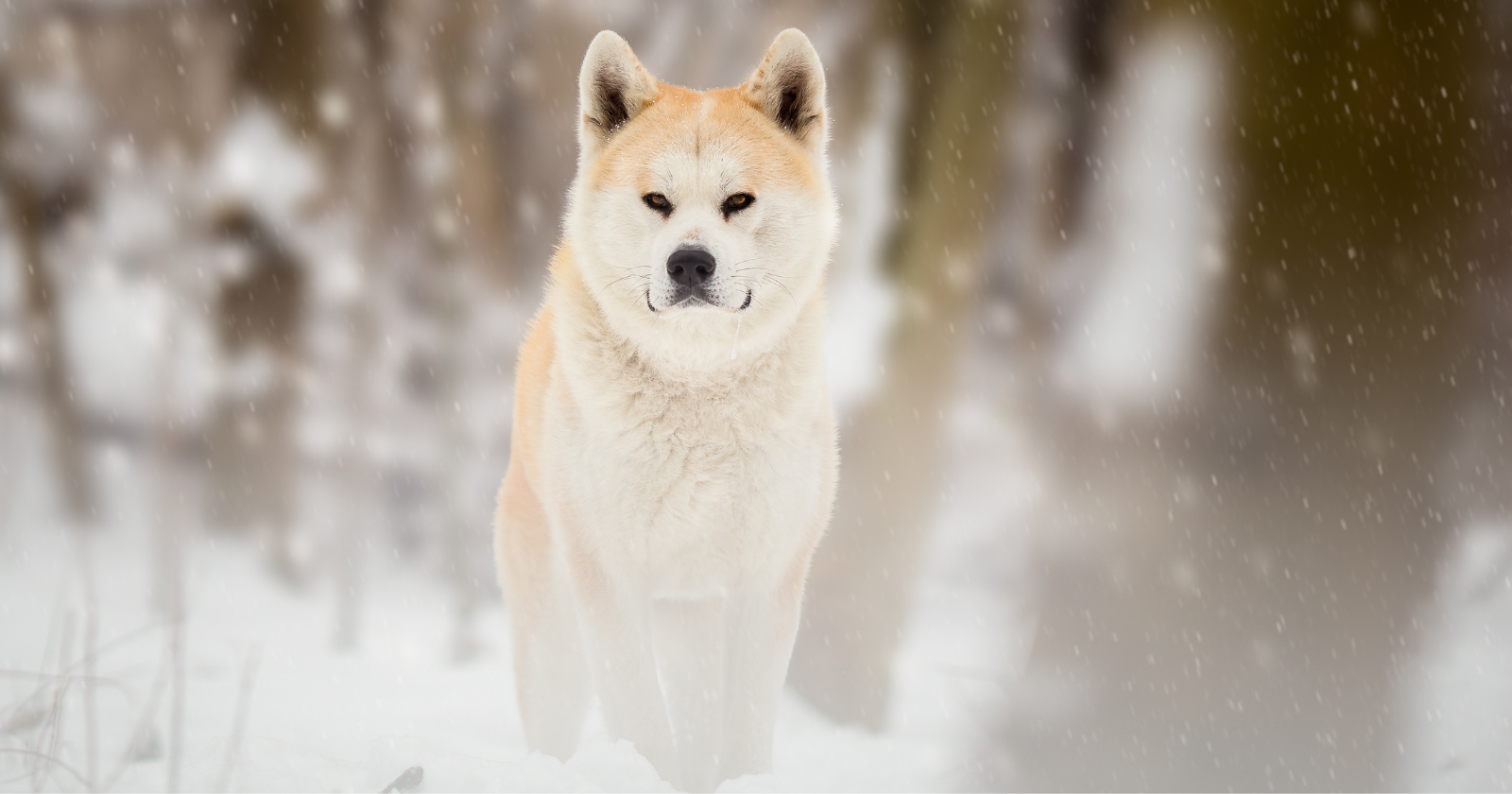
When police finally reached the body, the dog climbed on top of it and growled at them.
This was early August 2013, on the Patagonian steppe in Chubut province, Argentina. The dog was called Talero. Underneath him lay Bernardo Quirós, a 27-year-old ranch hand who had been dead for more than three weeks and had not been touched.
A 60 kilometre errand that fell apart in an afternoon
Quirós left home on 16 July with his wife Alejandra and their two small children, driving a Renault 19 toward an estancia some 60 kilometres away with food for his brother. An electrical fault killed the car in open country just as a snowstorm arrived. Diario Andino, republishing coverage from Chubut’s Diario La Jornada, put the temperature at 14 below zero. Quirós was dressed for a cold day rather than a blizzard: corduroy trousers, a t-shirt, a shirt, a pullover, boots.
He set off on foot to find help. Talero went with him.
Alejandra waited a couple of hours, then walked until her phone picked up a signal, and rescuers reached her and the kids.
Nobody found her husband.
Investigators believe he died of hypothermia that first night, roughly 35 kilometres from the car and about 10 kilometres short of the nearest estancia and Route 43.
His home town, Alto Río Senguer, sits some 370 kilometres southwest of Comodoro Rivadavia. This is genuinely empty country.
How a farm dog lasted three weeks in the open
Before any of this, Talero was just the dog that went everywhere Quirós went, since he was a pup, riding along on trips into the fields and into town. El Patagónico described him as a mongrel ovejero, named, in local usage, for the riding crop and the dog together, the two things a mounted man never travels without.
Small animal bones scattered around the site showed he had hunted to feed himself. He had also dug pits to sleep in beside Quirós, sheltering from the wind.
Police told the paper he kept the scavengers off, driving away foxes, piches (a small armadillo common to the region) and carrion birds. Three weeks of unguarded meat in that country usually ends one way. This one did not.
The search walked past him more than once
How do you miss a corpse with a dog sitting on it?
Police, Gendarmería, civil defence, firefighters and Quirós’s own family had all covered that sector. An aircraft flew over it. A farmhand moved sheep nearby without noticing anything unusual, and Quirós lay metres from a gas line that ranchers use as a route out to the estancias. By Thursday, the official search had been suspended under protocol.
Accounts differ on exactly who found him. El Patagónico says a cousin’s husband, searching by pickup, spotted the dog first. Diario Andino, citing La Jornada de Chubut, names a brother-in-law, Troncoso, on foot, drawn in when Talero barked at someone he recognised.
Laura Castagno, the prosecutor from Sarmiento, described what she found. Talero would not leave Quirós. When she took her hands out of her coat pocket he came over and licked them, then went slowly back and lay down again. Thin, and to her eye, miserable. Locals told her that dogs bred for this work can go days without food or water, which she passed on as country wisdom.
Castagno then got a short lesson in how the place works. She walked roughly 300 metres from her vehicle, turned to come back, and lost her bearings in the snow badly enough that she had to call out to her colleagues to talk her in.
What the research can and cannot tell you
Dogs use their owners roughly the way toddlers use a parent, as a secure base to work from. Lisa Horn, Ludwig Huber and Friederike Range at the University of Vienna tested that in 2013 with a puzzle box the animals had to solve. Dogs stuck at the task longer when their owner was in the room, whether the owner cheered them on or sat in silence. An unfamiliar human did not do the same job. One experiment, though it sits inside a large body of similar work.
Grief is far less settled. A 2022 survey in Scientific Reports asked 426 Italian owners whose dog had lost a companion, and most reported changes in playing, sleeping, eating and fearfulness. That evidence is owner-reported, it covers one dog losing another, and it is a single paper. Nothing in it shows that dogs grasp death.
Which leaves an honest answer nobody enjoys: there is no way to know what Talero thought was happening. A sheepdog’s whole function is to stay with whatever is in his care and drive off what comes near it. Handed a man on the ground and no instructions, that instinct has an obvious shape.
He was taken to Sarmiento to be fed and rested, then given to Alejandra and the children. Patagonia Press was still retelling the story more than a decade later.
Alejandra got her husband back whole. Twenty-three days in the open rarely allows that.
