

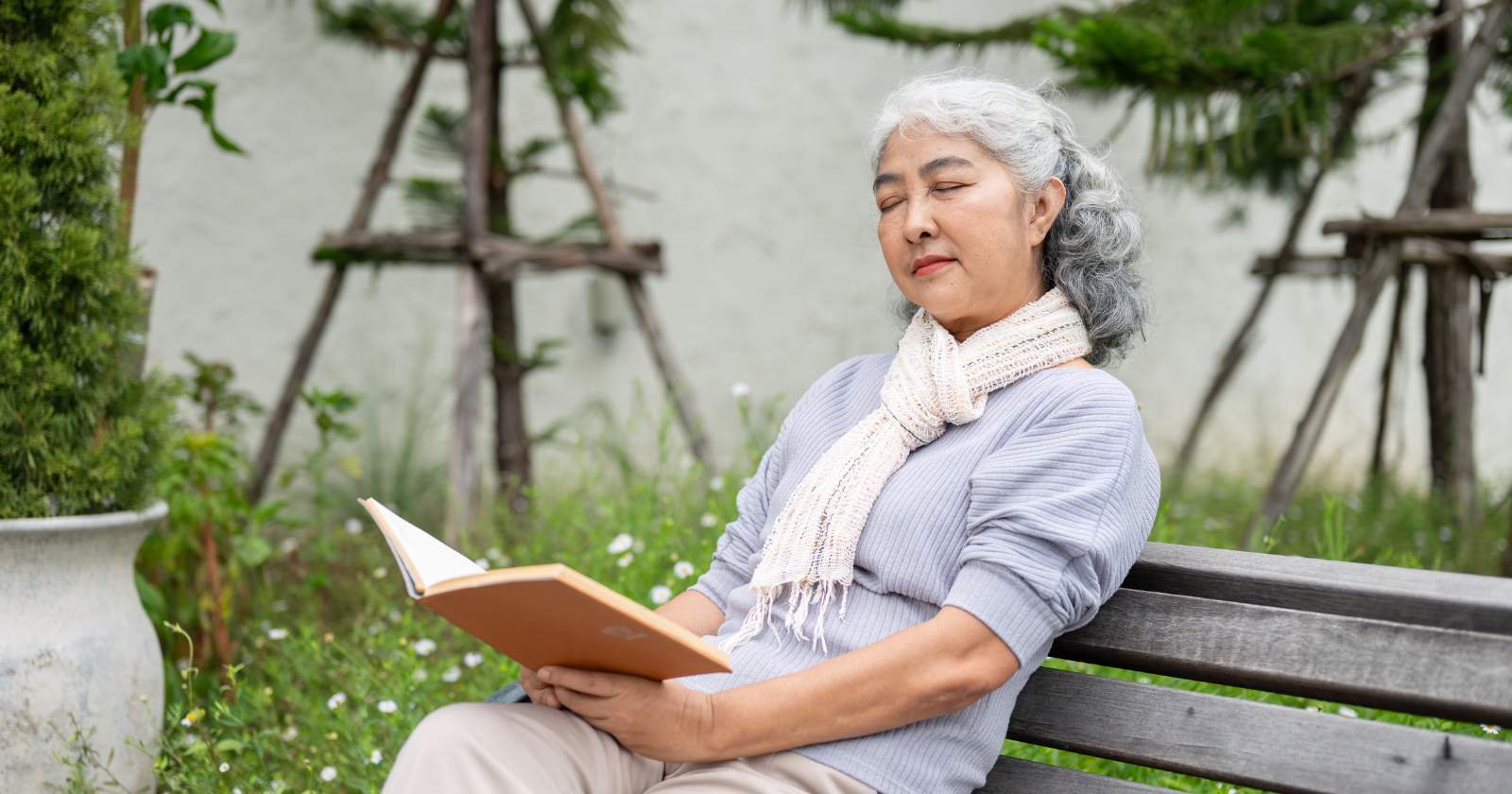
Picture a first-grade classroom in the South Korean countryside. Small chairs, a chalkboard, a young teacher going over the shapes of letters.
Now picture the students. Not six-year-olds with missing front teeth, but women old enough to be the teacher’s grandmother, gripping pencils in hands that have spent decades farming, chanting the alphabet out loud like children.
That isn’t a thought experiment. It happened, starting in 2019, in villages where the schools had simply run out of kids.
At Daegu Elementary in Gangjin County, the eight women who enrolled as first graders ranged from 56 to 80. The oldest documented pupil, a second grader named Nam at Woldeung Elementary in Suncheon, was 84.
A classroom with no children left to fill it
The problem that started all of this is about numbers, and it is severe. South Korea’s fertility rate, the average number of children a woman is expected to have, fell to 0.72 in 2023, the lowest ever recorded for any country. To simply keep a population stable, you need about 2.1. Young families have been leaving the countryside for the cities for years, and the schools they left behind emptied out grade by grade.
The numbers at these particular schools tell the story plainly. Daegu Elementary had around 90 students per grade in the 1980s, and just 22 in total by the time it went looking for grandmothers. Woldeung Elementary had gone from 1,200 pupils in 1968 to 29 children. Bangrim Primary had shrunk from almost 700 to 22.
The principal of Daegu Elementary, Lee Ju-young, described the search: “We went around villages looking for just one precious kid to enrol as a first grader. There was none.” Not a small first-grade class. None. A 96-year-old school with no first-grader to open the year.
Who these women are, and why they never learned as girls
This is the part that turns a quirky story into something heavier. Most of these women could not read or write, and it wasn’t for lack of ability. As girls, they were never allowed near a classroom.
South Korea’s older generations grew up in a system where scarce family money went to educating sons, while daughters stayed home to work and mind younger siblings.
Park Young-ae, a 70-year-old classmate of Nam’s at Woldeung, put it bluntly: “My grandfather insisted that girls like me had no use for education.” At Bangrim Primary, the director of education, Sin Eun-sook, traced it back further: “In our tradition, men exist and women serve. Men are superior, women are inferior. Because of this tradition, our ancestors refused to send daughters to school.”
Not being able to read shapes a life in ways that are easy to underestimate. Nam, the 84-year-old, said she had carried it as a kind of shame: “I have often felt like others looked down on me because of my illiteracy.”
And the things these women wanted from reading were not grand. Hwang Wol-geum, a 70-year-old first grader at Daegu who had been unable to read her whole life, named her dream: “Writing letters to my children, that’s what I dreamed of the most.” The whole ambition, distilled to one sentence. To write to her own kids.
What a school is for when the town runs out of kids
There’s a practical logic underneath the tenderness. A rural school isn’t only a place where children learn. It’s a reason for families to stay, and a reason for young ones to arrive. Noh Soon-ah, Hwang Wol-geum’s daughter-in-law, who had moved to the village a few years earlier, framed the stakes as a question: “Who would start a family here if there were no school?”
Close the school and you don’t just lose a building. You remove one of the last reasons for a young couple to consider the village at all, which speeds up the very decline that emptied the classrooms in the first place. Enrolling the grandmothers kept the doors open long enough to keep the place alive. It was a genuinely clever piece of community self-preservation, whatever else it also happened to be.
What learning to read at eighty actually looks like
The Korean alphabet, Hangul, is built from 14 consonants and 10 vowels, and the women learned it the way any first grader does, by chanting the sounds and copying the shapes over and over. It is not effortless at that age. Park Jong-sim, a 75-year-old first grader at Daegu, was honest about the struggle: “My memory, hand and tongue don’t work like I wish.”
What comes through in the reporting, though, is appetite. Their first-grade teacher at Daegu, Jo Yoon-jeong, who was 24, noticed something you might not usually see in six-year-olds: “They are eager to learn. They are probably the only students here asking for more homework.” There’s a neat flip in that classroom. A woman in her twenties teaching women in their seventies and eighties, and the eldest students in the country begging for extra work.
Reading it without turning it into a fable
Stories like this get handled roughly by the internet. They tend to get flattened into something warm and weightless, a heart-tugging clip about adorable grandmothers going back to school. That reading isn’t entirely wrong, but it skips the part that gives the story its weight.
What we keep coming back to is the same schools that once decided girls had no use for education are now being kept alive by those very girls, grown old, finally sitting in the seats they were denied. The crisis that closed the door on their childhood didn’t open it back up out of kindness. It opened out of necessity, because there was no one else left to fill the room. The reversal is real: a generation of women shut out of the classroom is now the reason the classroom still exists.
That doesn’t undo what was taken from them as children. A woman learning to write her name at 80 is not repaid for the sixty-odd years she spent unable to. But there’s something to the fact that she gets to do it at all, and that when she finally sits down to write, the first thing she wants to write is a letter to her own children.