

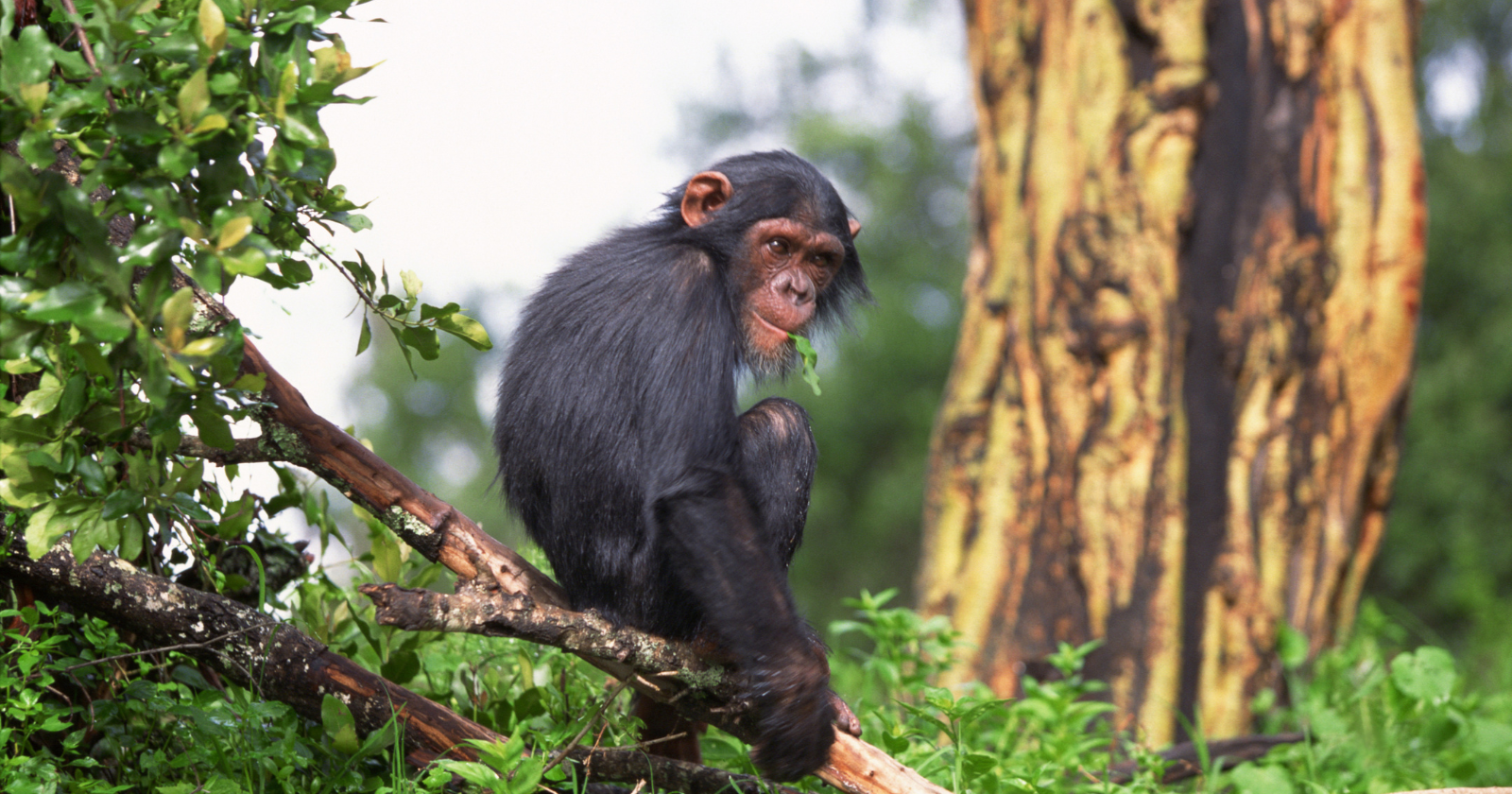
On 31 January 1961, a chimpanzee about three years and eight months old rode Mercury-Redstone 2 to an altitude of roughly 252 kilometres, endured a peak launch load of 17 g, and landed about 241 kilometres beyond the planned point. When the hatch was opened aboard the USS Donner, he was alive and alert, but the examination recorded dehydration, exhaustion, and a small abrasion across his nose.
The mission was an operational test of the Mercury spacecraft, its environmental controls, the recovery system, and the ability of a trained primate to keep working through acceleration and weightlessness. The objectives and results are preserved in NASA’s detailed technical account of the chimpanzee flights.
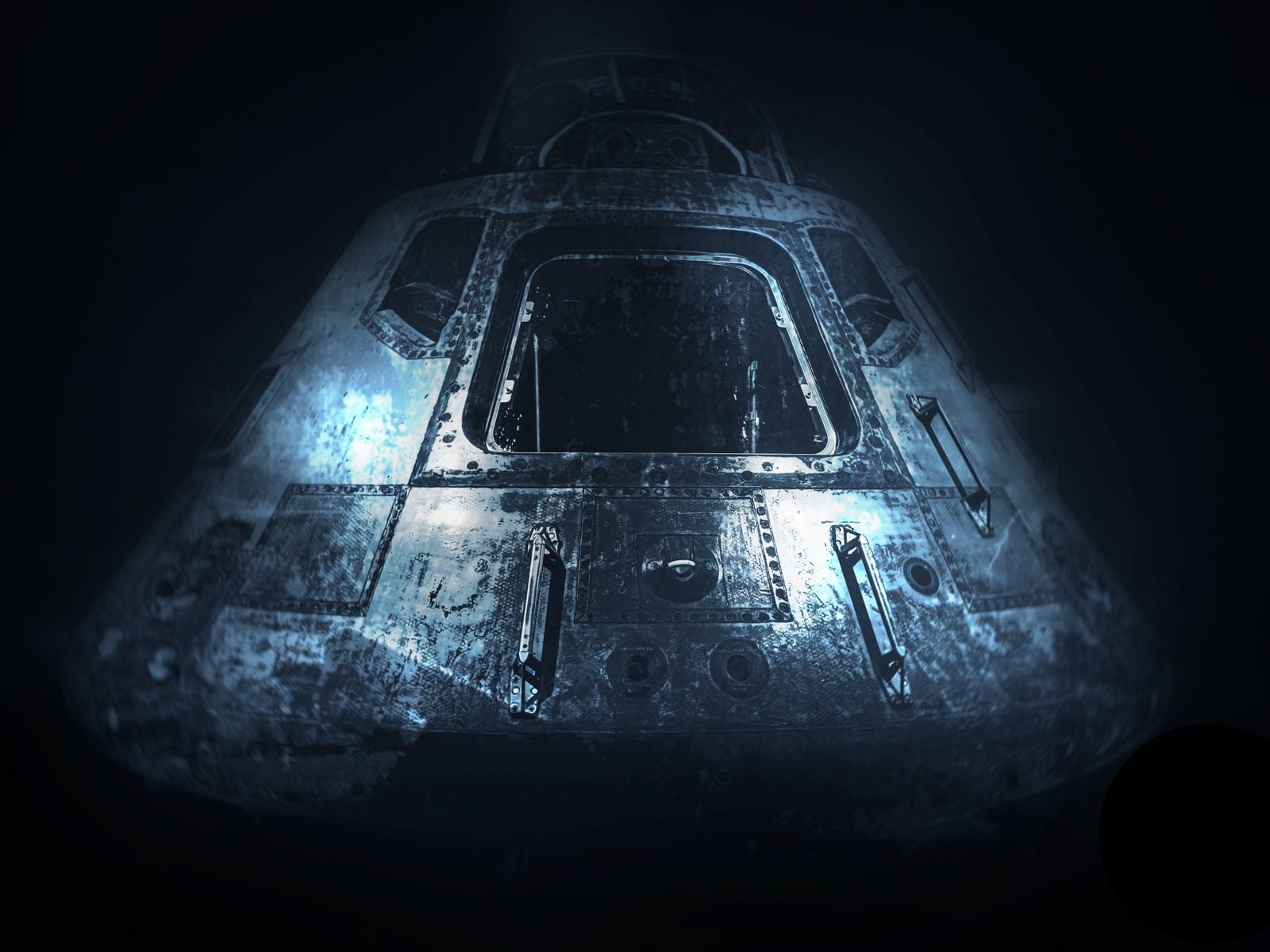
Ham kept working.
What happened to the flight
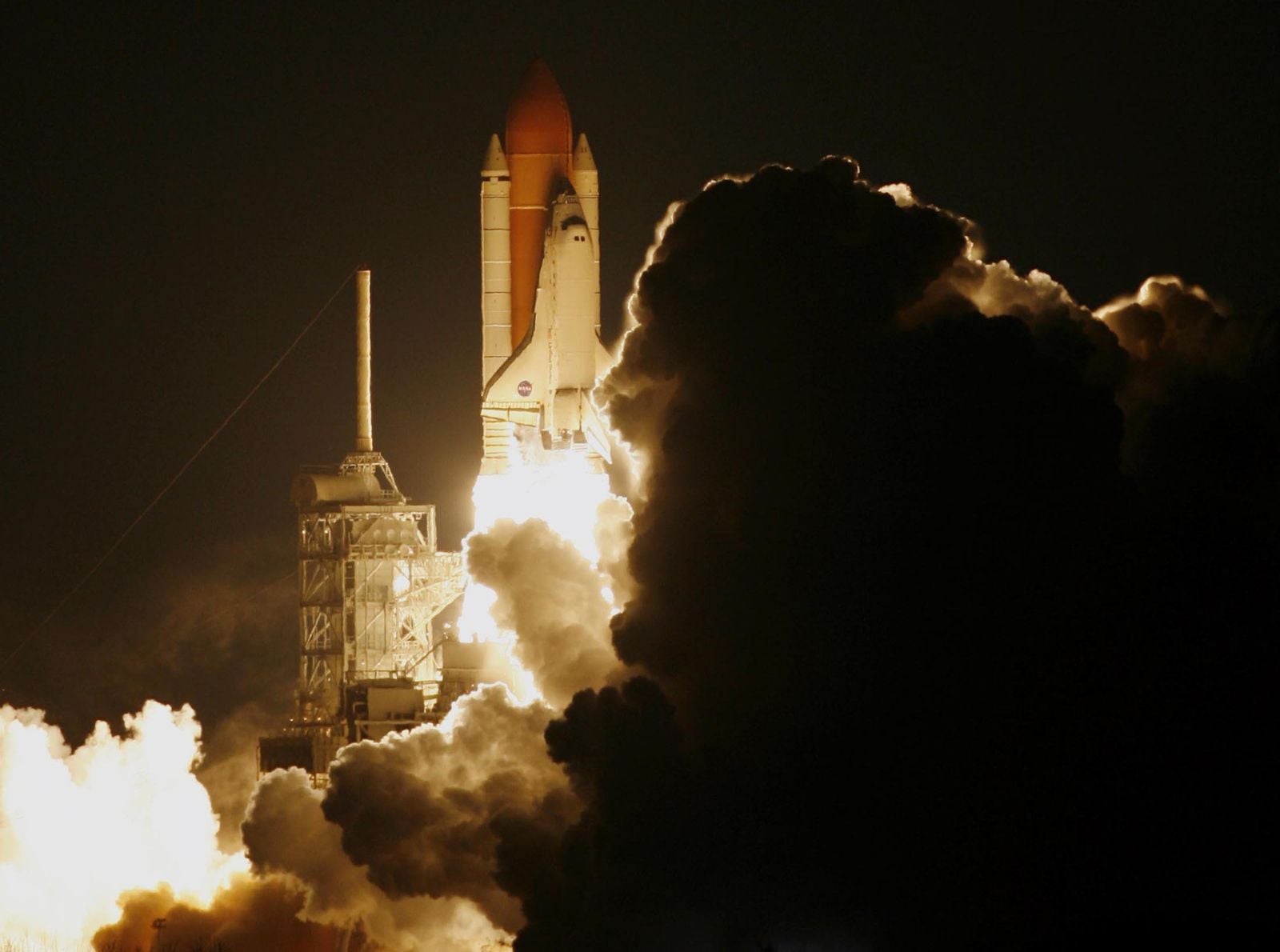
The suborbital trajectory did not follow the planned profile. A problem with launch-vehicle cutoff timing caused the escape rocket to fire at 2 minutes and 18 seconds, producing a brief peak of 17 g before the spacecraft entered weightlessness.
Mercury-Redstone 2 reached an apogee of 136.2 nautical miles, approximately 252 kilometres. Ham experienced about six and a half minutes of weightlessness before re-entry deceleration peaked at 14.6 g.
The capsule landed approximately 130 nautical miles beyond its planned point. That is about 241 kilometres, rather than the 210 kilometres stated in the original title.
The spacecraft also lost cabin pressure after a valve opened unexpectedly. Ham remained protected inside his sealed couch, however, and NASA’s history of animals in space reports that he suffered no ill effects from that pressure loss.
The landing created another danger. The lower section of the spacecraft was damaged and began taking on seawater while recovery forces searched for it. The sealed couch protected Ham from the flooding, but the capsule was listing by the time a Navy helicopter lifted it from the Atlantic.
Who Ham was before the flight
NASA’s contemporary report identifies Ham as an immature male chimpanzee acquired by the U.S. Air Force on 9 July 1959. He had come from the Cameroons in West Africa.
His age was estimated from dental development at 44 months. He was therefore about three years and eight months old at launch, not six years old as the original lede claimed.
Before the mission he was Subject No. 65. The name at the centre of [another account of the chimpanzee’s flight](https://www.spacedaily.com/d-in-1961-a-young-chimpanzee-captured-in-cameroon-and-trained-at-a-new-mexico-air-force-base-became-the-first-hominin-to-travel-into-space-and-return-alive-and-the-program-kept-him-publicly-n/) came from Holloman Aerospace Medical Center, the New Mexico institution associated with his training. The National Museum of Health and Medicine preserves both that history and Ham’s skeleton.
The U.S. government acquired 40 chimpanzees for the Mercury program, according to Discover Magazine’s history of the astrochimps. Six candidates were brought to Cape Canaveral before Ham and a backup chimpanzee named Minnie were selected.
Ham had completed 219 hours of behavioural training over approximately 15 months. He had also experienced simulated Redstone launch profiles in a centrifuge.
The work inside the couch
The flight panel contained coloured lights and two levers. Ham had to press the right-hand lever at least once every 15 seconds and press the left-hand lever within five seconds whenever a blue light appeared.
The blue light appeared nine times during the flight. Ham’s average reaction time was 0.82 seconds, almost identical to his preflight average of 0.80 seconds.
He received two electrical shocks. NASA’s investigators concluded that only one resulted from an actual performance error; the other was caused by a malfunction in the timing apparatus.
Electrocardiogram leads, a respiration sensor, and a rectal thermistor recorded his physical response. His heart rate rose during launch and re-entry, but respiration and temperature remained within the expected ranges. His learned performance remained steady during weightlessness.
What the recovery team found
Eight ships had been positioned along the probable landing corridor. The overshoot left the spacecraft far from the intended recovery point, and the recovery operation lasted much longer than the flight itself.
NASA records that a helicopter delivered the spacecraft to the USS Donner at 3:40 p.m. The hatch was opened two minutes later. Condensation initially obscured the couch, but Ham could be heard vocalising normally.
The postflight examination found that he was alert and coordinated, with normal reflexes and no abnormal findings in his heart or lungs. It also found that he was slightly dehydrated, physically exhausted, and carrying a small, apparently self-inflicted abrasion across the bridge of his nose. A small quantity of dried vomit was present inside the couch.
Once free of the couch, he was given fruit and water. Photographs show him accepting an apple, and the Air & Space Forces account of the mission records that he also ate half an orange.
At a later photography session, handlers attempted to place him back in a training couch. He resisted and could not be persuaded to enter it. The record supports visible distress and refusal, although “furious” is an interpretation rather than a clinical finding.
What the flight changed
NASA concluded that the environmental control system had protected its occupant and that acceleration and weightlessness had not prevented a trained primate from completing timed tasks. Those were essential results for the human Mercury program.
Ham’s flight did not immediately clear Alan Shepard for launch. A problem involving an electrical relay in the Redstone led NASA to schedule an additional uncrewed booster test for 24 March. According to NASA’s account of Shepard’s mission, that successful test finally cleared the vehicle for a human passenger.
Seventy-one days after Ham’s flight, Yuri Gagarin completed one orbit of Earth aboard Vostok 1. On 5 May, 94 days after Ham, Alan Shepard flew Freedom 7 and became the first American in space.
Shepard flew the same Mercury-Redstone architecture, but not the same physical rocket or capsule. His flight lasted 15 minutes and 22 seconds and reached an altitude of approximately 187 kilometres.
The chimp who orbited, and Ham’s long return
On 29 November 1961, Enos became the first chimpanzee to orbit Earth aboard Mercury-Atlas 5. A faulty lever mechanism delivered dozens of shocks even when he attempted the correct response, but he continued working through two orbits. NASA’s Project Mercury chronology records that the mission qualified the spacecraft for John Glenn’s orbital flight.
Ham retired from research in 1963 and spent 17 years at the National Zoo in Washington. In September 1980, he was transferred to the North Carolina Zoological Park, where he was reintroduced to other chimpanzees, according to the Smithsonian Institution Archives. He died on 19 January 1983 at the age of 26.
A necropsy found no evidence of long-term damage from the spaceflight. After plans to preserve and display his body produced a public outcry, his skeleton was placed in the National Museum of Health and Medicine. His soft tissue and hide, rather than cremated remains, were buried at the International Space Hall of Fame in Alamogordo, New Mexico.
The flight survives in strip charts, reaction times, medical tables, and a photograph taken on the deck of the Donner. Ham is out of the couch. A handler is holding out an apple, and the damaged Mercury capsule is finally still.