
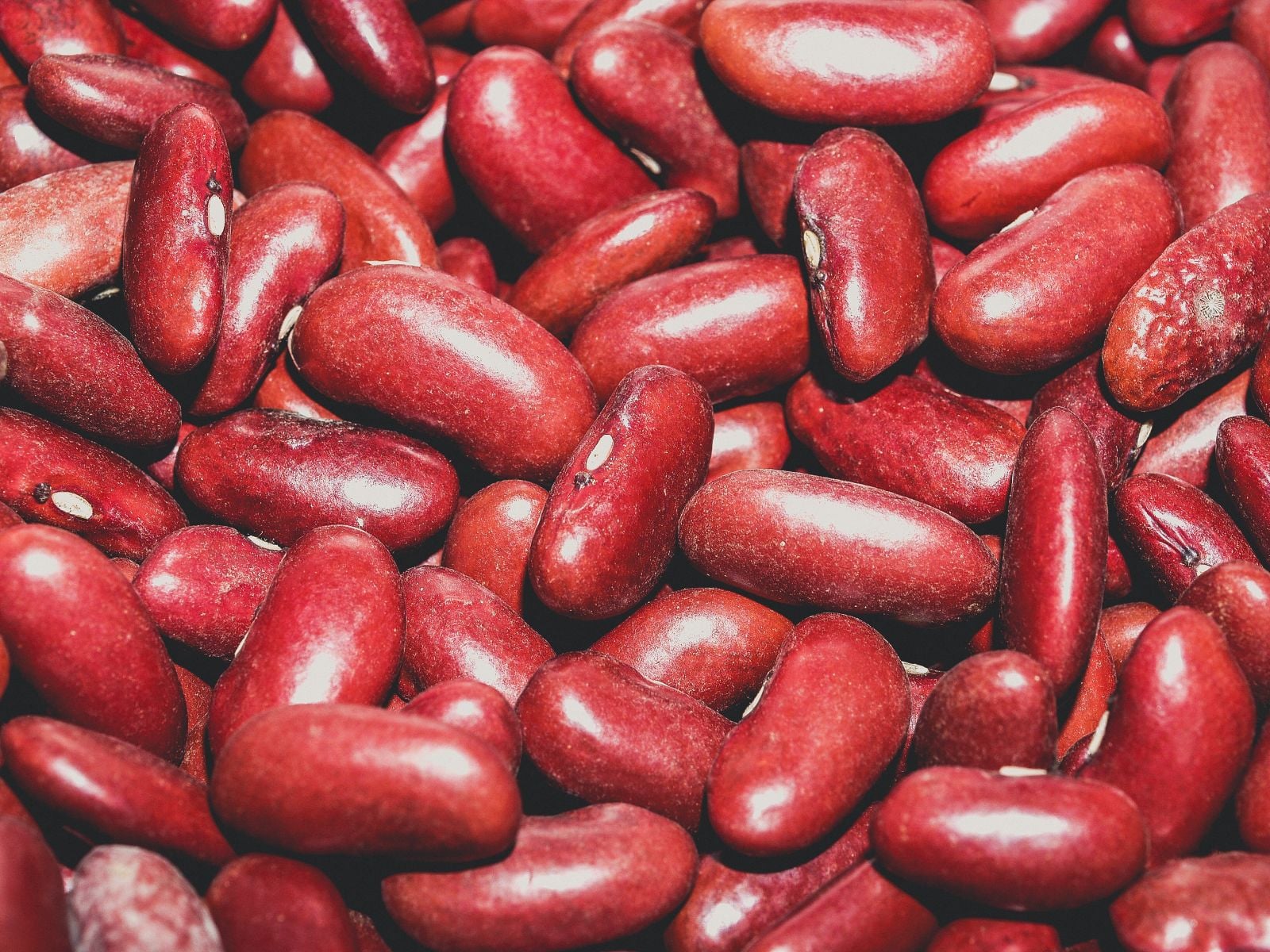
As few as four or five raw red kidney beans can trigger nausea, vomiting, diarrhoea and abdominal pain. The FDA’s Bad Bug Book identifies that as the minimum reported dose for symptoms; it does not say that four or five beans will inevitably put an adult in hospital. Some cases have required hospitalisation, but recovery is usually rapid and spontaneous.
The danger is easy to underestimate because the food is so ordinary. In July 2018, undercooked kidney beans in chili con carne caused 200 reported illnesses among an estimated 1,700 diners at a French Navy base in Brittany. The outbreak was traced to a low-temperature cooking process that kept the beans hot for hours without exposing them to enough sustained high heat.
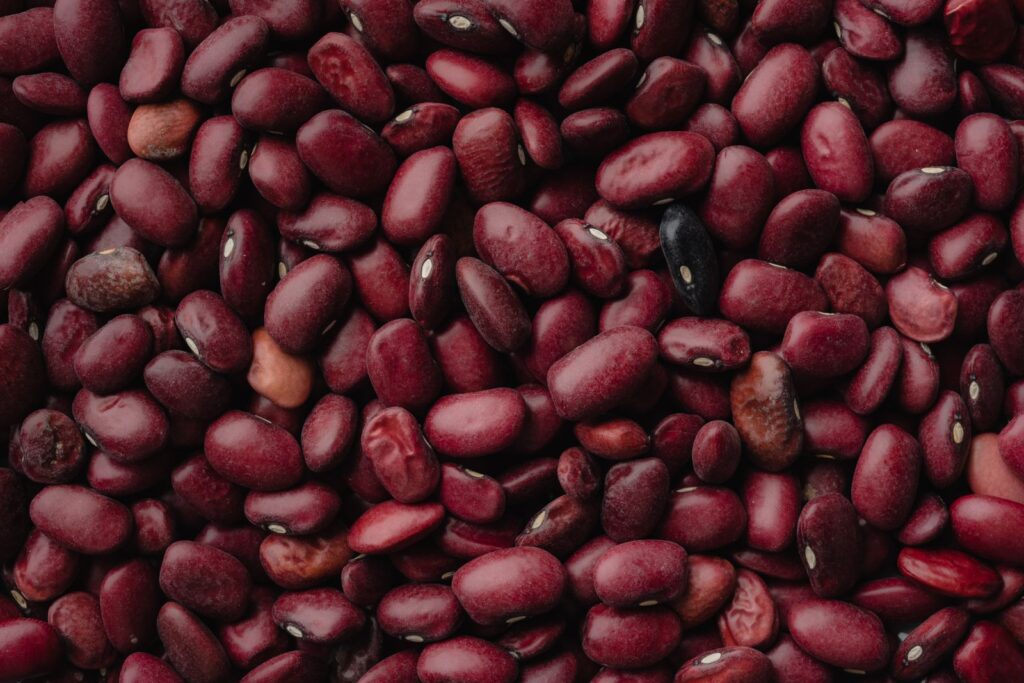
What phytohaemagglutinin actually is
Phytohaemagglutinin, usually shortened to PHA, is a lectin: a sugar-binding protein found in many plants. Lectins perform several biological functions, including helping plants defend themselves against pests and pathogens. At high concentrations, however, PHA can cause food poisoning in humans.
Red kidney beans contain particularly high concentrations. FDA figures place raw kidney beans at roughly 20,000 to 70,000 haemagglutinating units, or HAU, compared with about 200 to 400 HAU after complete cooking. HAU is a laboratory measure of lectin activity per unit of material, not a count of the toxin inside one individual bean.
Lectins can bind to cells lining the intestine and interfere with digestive function. That does not justify the draft’s claim that PHA simply “tears the villi apart.” The full pathway of human toxicity is more complicated and is not completely established.
The recognised pattern is abrupt gastrointestinal illness. Symptoms generally begin within one to three hours, often with nausea and vomiting followed by diarrhoea and abdominal pain. Severity varies with the dose. The FDA says recovery commonly occurs within three to four hours after symptoms begin, although some cases have required hospital care.
What happened at the Brittany base
The primary investigation, published in the journal Toxins in 2023, concerns a lunch served on 5 July 2018. Investigators recorded 200 cases among approximately 1,700 customers of the dining facility, an attack rate of 12%.
The first symptoms appeared 48 minutes after lunch, although the recorded range extended to almost 23 hours. The median onset was 3.3 hours, and symptoms resolved spontaneously within ten hours. Among the 92 cases included in the case-control survey, 82 were civilian staff and ten were military staff. Most of the people eating at the facility were civilians working for a company that maintained warships.
Statistical analysis pointed strongly to the chili con carne. Several diners recalled that some kidney beans in the dish were still hard, an immediate sign that they had not been fully cooked.
The kitchen had soaked the dry beans for only an hour and a half. It then cooked them separately overnight in an oven at a little above 80°C. During final preparation, the ingredients were mixed on a griddle for about 30 minutes, but investigators estimated that the temperature remained below 100°C and that heat was distributed unevenly.
Laboratory testing found approximately 66,667 HAU per gram in the raw beans. Residual activity above 400 HAU per gram was detected in the finished chili, and the investigators estimated that the beans within the dish retained at least 2,000 HAU per gram on a dry-weight basis. The issue was not that the kitchen had failed to warm the beans. It had failed to give every bean enough sustained high-temperature cooking.
Why low heat is not enough
PHA is damaged by high heat, but “hot” is not a precise food-safety standard. A low oven or slow cooker can soften kidney beans while leaving substantial lectin activity intact. The FDA reports that slow-cooker dishes may reach only about 75°C, which is not sufficient to ensure destruction of the toxin.
The often-repeated ten-minute figure is not invented. The FDA cites experimental work in which ten minutes at 100°C completely destroyed PHA. Its consumer recommendation is nevertheless more conservative: boil the beans for at least 30 minutes so that the whole batch reaches a sufficient temperature for long enough.
Boiling is also not literally the only process that works. High-temperature pressure cooking destroys lectins, and commercially canned kidney beans have already undergone intensive heat processing. The practical warning concerns dry kidney beans cooked from raw, especially when a slow cooker, low oven or gentle simmer is expected to do all the work.
The safest way to prepare dry kidney beans
- Soak the beans in water for at least five hours, preferably for about ten hours or overnight.
- Drain them and discard the soaking water.
- Cover the beans with fresh water and bring them to a full rolling boil.
- Keep them boiling for at least 30 minutes before lowering the heat, adding them to another dish or transferring them to a slow cooker.
A slow cooker can be used later in a recipe, but it should not be relied upon to neutralise the PHA in dry kidney beans. Canned kidney beans do not need this preparation because they have already been thoroughly heat-processed.
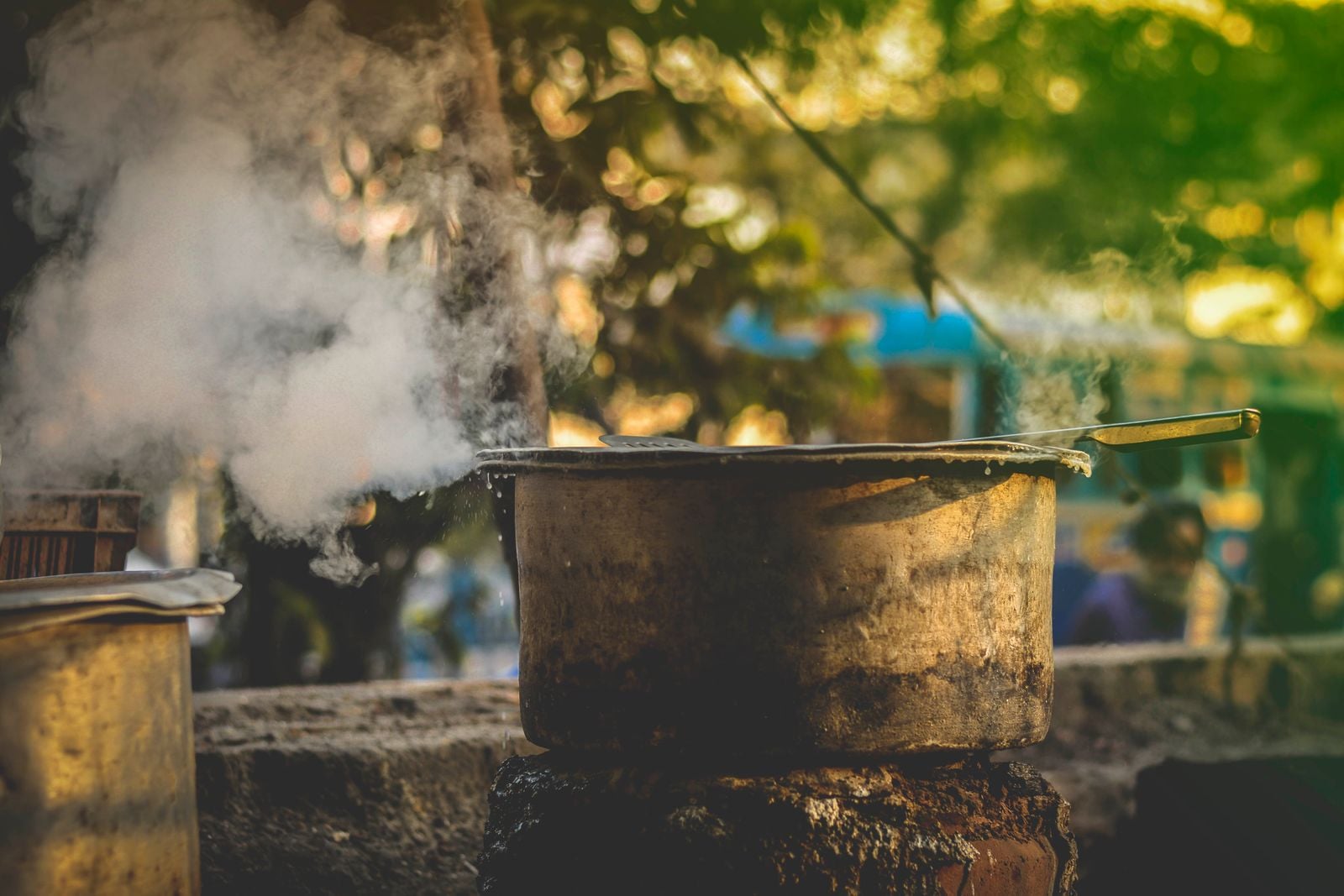
This is not a reason to fear properly cooked beans
The important distinction is not between eating beans and avoiding beans. It is between raw or inadequately cooked kidney beans and beans that have been properly prepared.
“Lectin” describes a broad family of proteins, not a single hazard with the same concentration in every food. Red kidney beans demand particular care because their raw PHA activity is unusually high. After adequate cooking, their measured activity falls dramatically.
That safety point does not require a claim that the remaining lectins in cooked beans prevent cancer, nor does it support a promise that eating a certain number of cups each week causes exceptional longevity. Properly cooked beans can be discussed as food without turning the toxin itself into a nutrient.
Why the outbreak took months to solve
PHA is not routinely considered during many rapid-onset food-poisoning investigations. In Brittany, investigators initially examined more familiar bacterial explanations, including Clostridium perfringens. The food samples did not support a bacterial cause, and later PHA testing matched the cooking history and the pattern of illness.
The authors said the standard outbreak investigation was largely completed within a week, but reconstructing the complete explanation took about three months. One obstacle was finding a national laboratory able to test for PHA.
At the time the paper was published in 2023, its authors also reported that there were no clear food-industry regulations establishing a toxic threshold or maximum permitted PHA level in bean products. Their conclusion was narrower than a claim that commercial beans receive no safety oversight: they called for better routine testing methods and greater awareness of plant toxins during outbreak investigations.
The rule worth remembering
Four or five raw or badly cooked kidney beans can be enough to trigger illness. That number is not a guaranteed hospitalisation threshold. Ten minutes at 100°C destroyed the toxin under experimental conditions, but 30 minutes is the FDA’s safer consumer recommendation. Boiling is not the only high-temperature process that works, but it is the most straightforward safeguard in an ordinary kitchen.
The Brittany kitchen kept its beans hot for hours and still served a toxic dish. The failure was not a shortage of cooking time. It was a shortage of enough temperature, for long enough, before the chili reached the table.
