

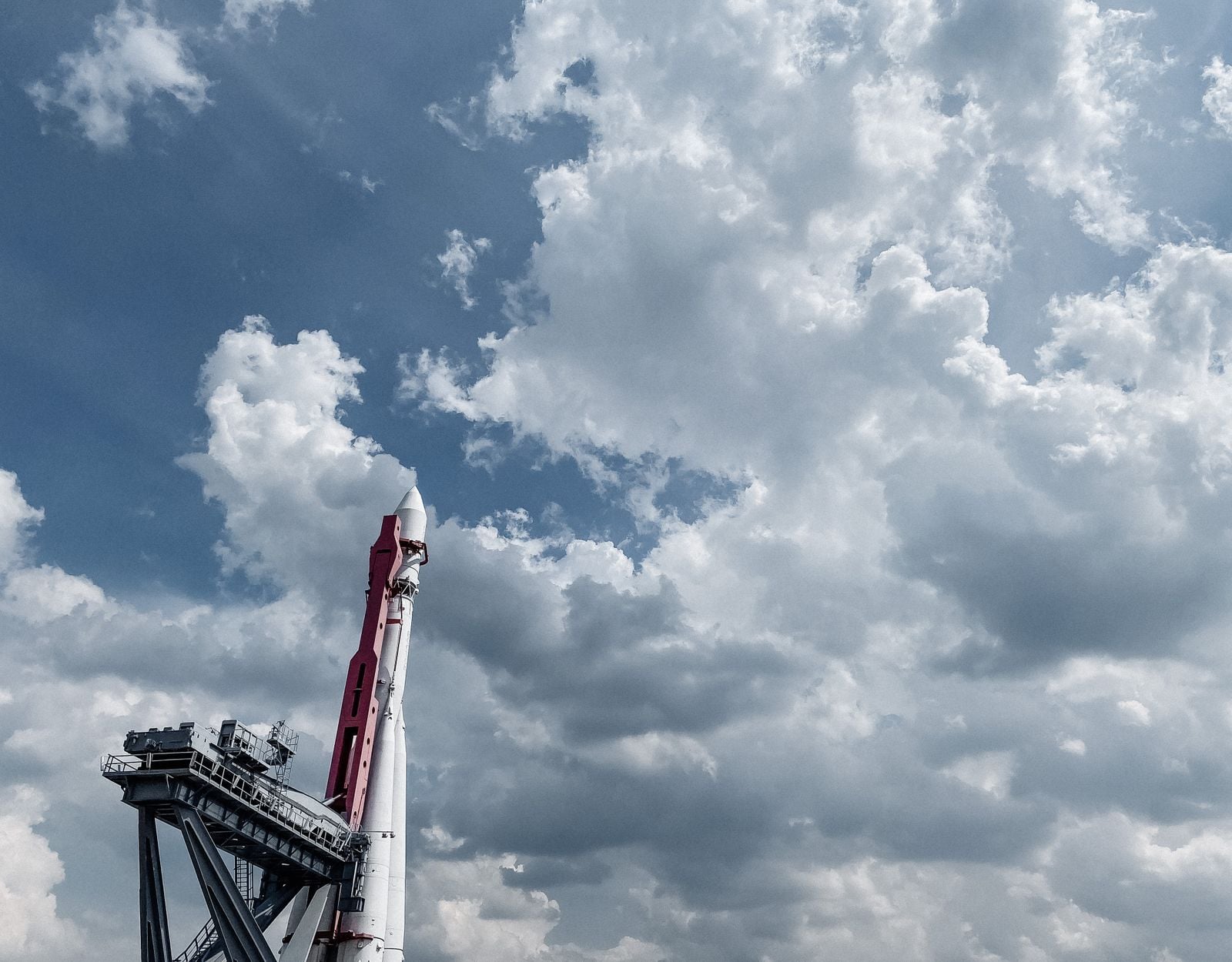
The FAA’s 24-page proposal places 13 federal laws into a single waiver list, then says their specified requirements would no longer apply to covered commercial space licenses and permits. The mechanism reaches from endangered-species consultation and wetlands approvals to air-quality conformity and historic-preservation review before a rocket leaves the pad.
Released on July 28, 2026, under docket FAA-2026-8614, the proposal covers licenses for launch sites, reentry sites and vehicles, along with experimental permits. It is an industry-wide rulemaking, not an order written for one company.
The legal foundation is also more specific than the headline politics around it. The FAA is using a waiver power that traces to the Commercial Space Launch Act of 1984, while a 2025 Supreme Court ruling supplies the judicial language and deregulatory mood surrounding the move.
The waiver is broader than NEPA
The proposed rule names the National Environmental Policy Act, the Department of Transportation Act, the Endangered Species Act, the Clean Water Act, the Coastal Zone Management Act, the Clean Air Act and the National Historic Preservation Act. It also includes the Marine Mammal Protection Act, the Magnuson-Stevens Act, the Wild and Scenic Rivers Act, the Noise Control Act, the Rivers and Harbors Act and the National Marine Sanctuaries Act.
The scope needs careful wording because the proposal does not discard every provision of every statute. Beyond NEPA, the regulatory text identifies particular requirements such as Endangered Species Act consultation, Clean Water Act Sections 401 and 404, Clean Air Act conformity and Section 106 historic-preservation review.
Under the current launch and reentry rule, the FAA is responsible for complying with NEPA and other applicable environmental requirements before issuing a license. Depending on the action, the agency may use a categorical exclusion, an environmental assessment, an environmental impact statement or a written reevaluation of earlier work.
If adopted as written, the new rule would remove the named federal requirements from future covered licensing actions after its effective date. It would not repeal the statutes themselves or automatically erase state law, local permits and every separate federal approval connected to a launch facility.
The proposal also attempts to carry the waiver into associated airspace closures, certain airport-layout approvals and leases of federal land. That reaches beyond the vehicle-license file itself and raises a separate question about how far the Transportation Department can affect duties normally handled by federal landowners and environmental agencies.
The authority dates to the first commercial launch law
The key language appears in 51 U.S.C. Section 50905, whose history reaches back to the Commercial Space Launch Act of 1984. Congress created the commercial launch licensing system when private orbital launches were still an emerging possibility rather than a weekly feature of American spaceflight.
The provision allows the transportation secretary to declare by regulation that a requirement of federal law need not be a requirement for a commercial space license or permit. Before doing so, the secretary must consult the head of the appropriate executive agency and decide that the requirement is unnecessary for public health and safety, property safety, national security or foreign policy.
That authority sat largely unnoticed until commercial launch cadence began outgrowing a licensing system designed for a much smaller industry. It became central after President Donald Trump signed Executive Order 14335 on August 13, 2025.
The order instructed the transportation secretary to use available authority to eliminate or expedite environmental reviews for launch and reentry licenses. It specifically pointed to Section 50905, making the sequence clear: the executive order supplied the instruction, the 1984 statute supplied the mechanism and the FAA proposal supplied the list of laws.
What the Supreme Court ruling actually changed
The Supreme Court case was not about rockets. In Seven County Infrastructure Coalition v. Eagle County, an 8-0 Court reviewed the environmental analysis for an 88-mile railway intended to carry crude oil out of Utah’s Uinta Basin.
The Court ruled that NEPA did not require the Surface Transportation Board to conduct a detailed analysis of separate upstream drilling and downstream refining projects outside the board’s regulatory authority. A Congressional Research Service analysis described the decision as expanding agency discretion over the scope of NEPA reviews while limiting judicial scrutiny of those choices.
That holding narrowed what an environmental impact statement must examine. It did not give federal agencies a general right to disregard NEPA, the Endangered Species Act, the Clean Water Act or any of the other statutes named by the FAA.
The FAA nevertheless quotes Justice Brett Kavanaugh’s criticism of the way NEPA litigation can delay infrastructure and uses the decision to argue that environmental review needs a course correction. The ruling is therefore part of the proposal’s rationale, but the secretary’s actual waiver authority comes from the separate commercial launch statute.
Why SpaceX is still part of the story
SpaceX is neither the only beneficiary nor irrelevant. The rule is written for the entire sector, and Space Daily has previously tracked the wider Part 450 licensing overhaul as commercial launch numbers have risen.
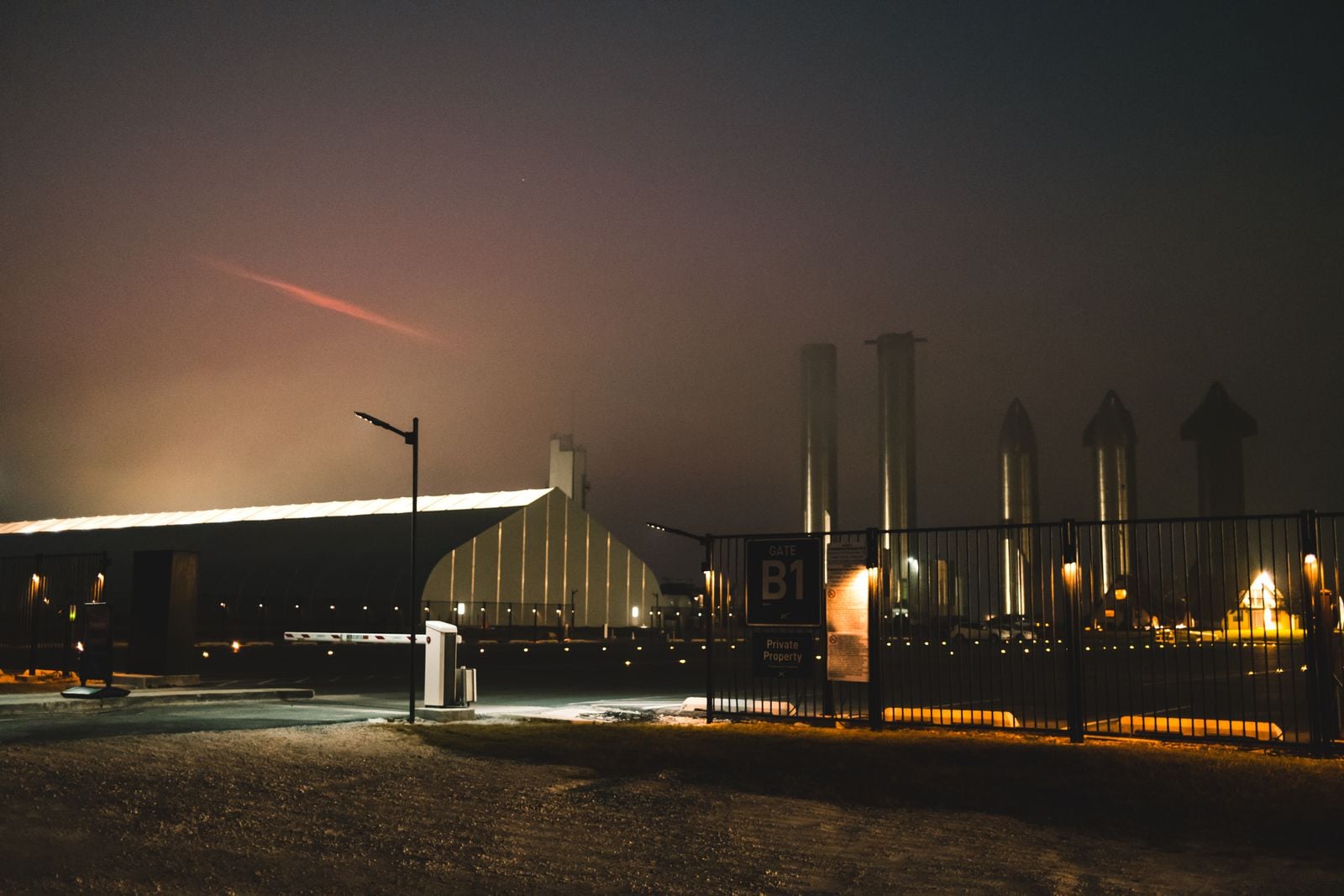
Starbase remains the most visible example because its approvals have required extensive analysis of launch cadence, landings, noise, airspace closures, water systems, wildlife and cultural resources. The FAA’s public environmental process at Boca Chica began years before the current waiver proposal.
The launch site also occupies the same coastal landscape as the Boca Chica tract of the Lower Rio Grande Valley National Wildlife Refuge. In 2026, the U.S. Fish and Wildlife Service completed an environmental assessment for a proposed exchange involving about 715 acres of refuge land and 683 acres owned by SpaceX.
That land process was handled by the Fish and Wildlife Service rather than through an FAA vehicle license. It illustrates why the proposal’s treatment of federal leases and independent agency actions could matter as Starbase expands, alongside the separate noise and property disputes surrounding repeated Starship operations.
The claim that every Starship test flight triggers a completely new environmental review is too absolute. The FAA has repeatedly used written reevaluations to decide whether changes remain covered by previous analyses, while larger changes in cadence and flight profiles have received new or tiered environmental assessments.
The practical prize is time. According to the FAA’s commercial-space forecast, licensed launches and reentries could rise from 214 in fiscal 2026 to 507 in 2036, with as many as 4,288 operations across the coming decade.
The final rule still has to survive the process
The proposal provides a 30-day public-comment period once it is published in the Federal Register. During the rulemaking, the FAA must also consult the federal agencies responsible for the environmental, wildlife, water, historic-preservation and land-management requirements it wants to remove from the licensing process.
The sharpest legal question may concern the proposed rule’s reach beyond licenses themselves. Its attempt to cover airspace closures, airport approvals and leases on federal property could test whether a waiver power written for commercial space licenses can also displace obligations carried by another agency’s separate decision.
For now, none of the 13 waivers is in force. Existing environmental-review requirements remain in place, and the comments, consultations and probable court challenges could narrow the language before any final rule takes effect.
That is the unusual path the proposal has taken: a waiver clause written when commercial orbital launches were rare, a Supreme Court case about oil trains in Utah and a 24-page FAA document aimed at the launchpads now firing along American coasts. The next movement will not be a rocket leaving the tower, but lines of comments entering a federal docket before the language hardens into a final rule.