

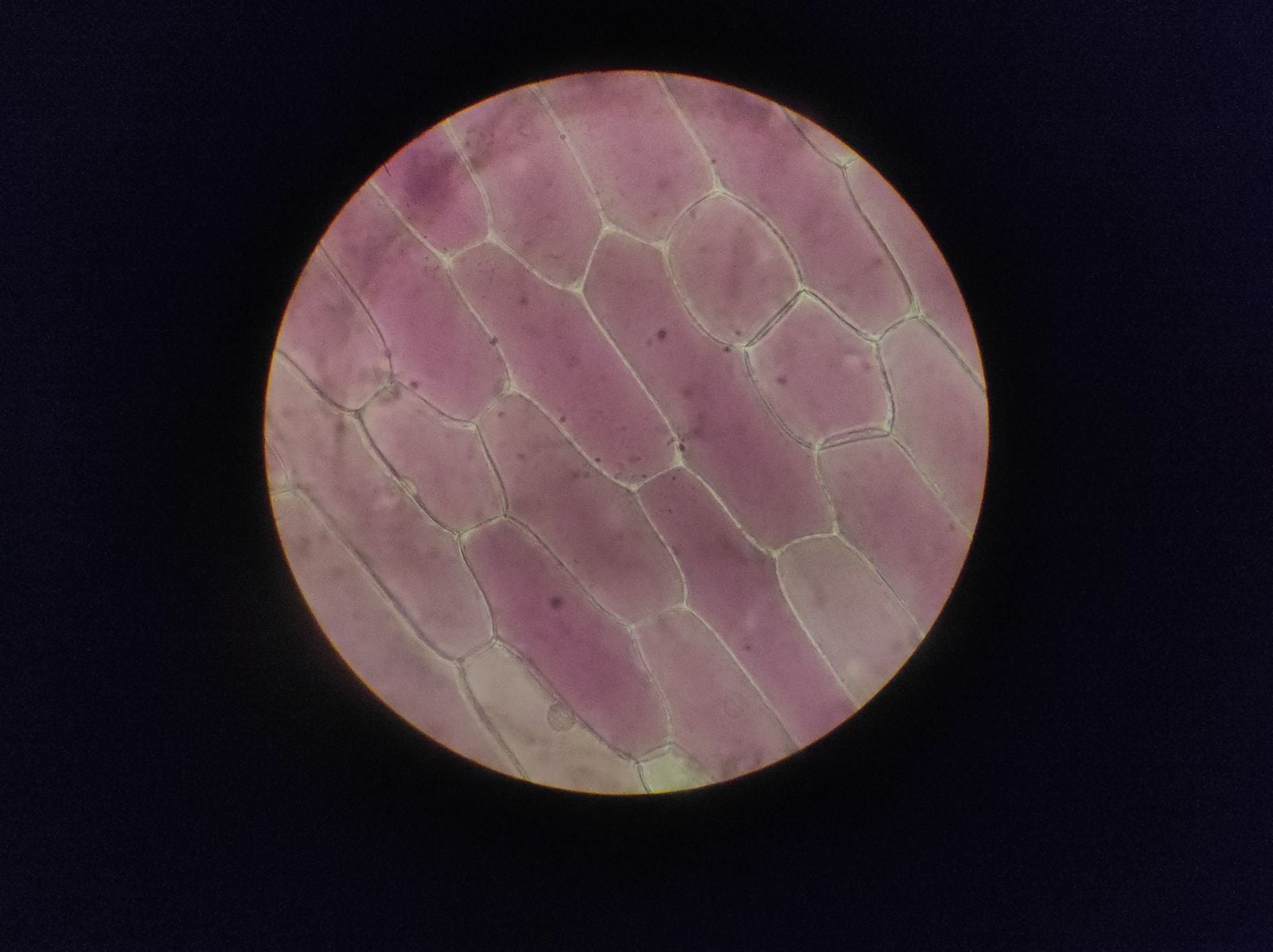
Every time one of your cells divides, the protective caps on its chromosomes — called telomeres — get a little shorter. They are stretches of repetitive DNA sitting at the ends of each chromosome, and their job is to stop the cellular machinery from mistaking a chromosome tip for a broken strand that needs urgent repair. The enzyme that copies DNA cannot quite reach the very end of a linear chromosome, so a small piece of the cap is lost each round. After enough rounds, the cap runs down to a critical length, and the cell stops dividing — either falling into a permanent quiet state called senescence, or triggering its own destruction.
That countdown is one of the most elegant safeguards in the body. It is also, incidentally, one of the strongest defences against cancer humans possess.
What a telomere actually is
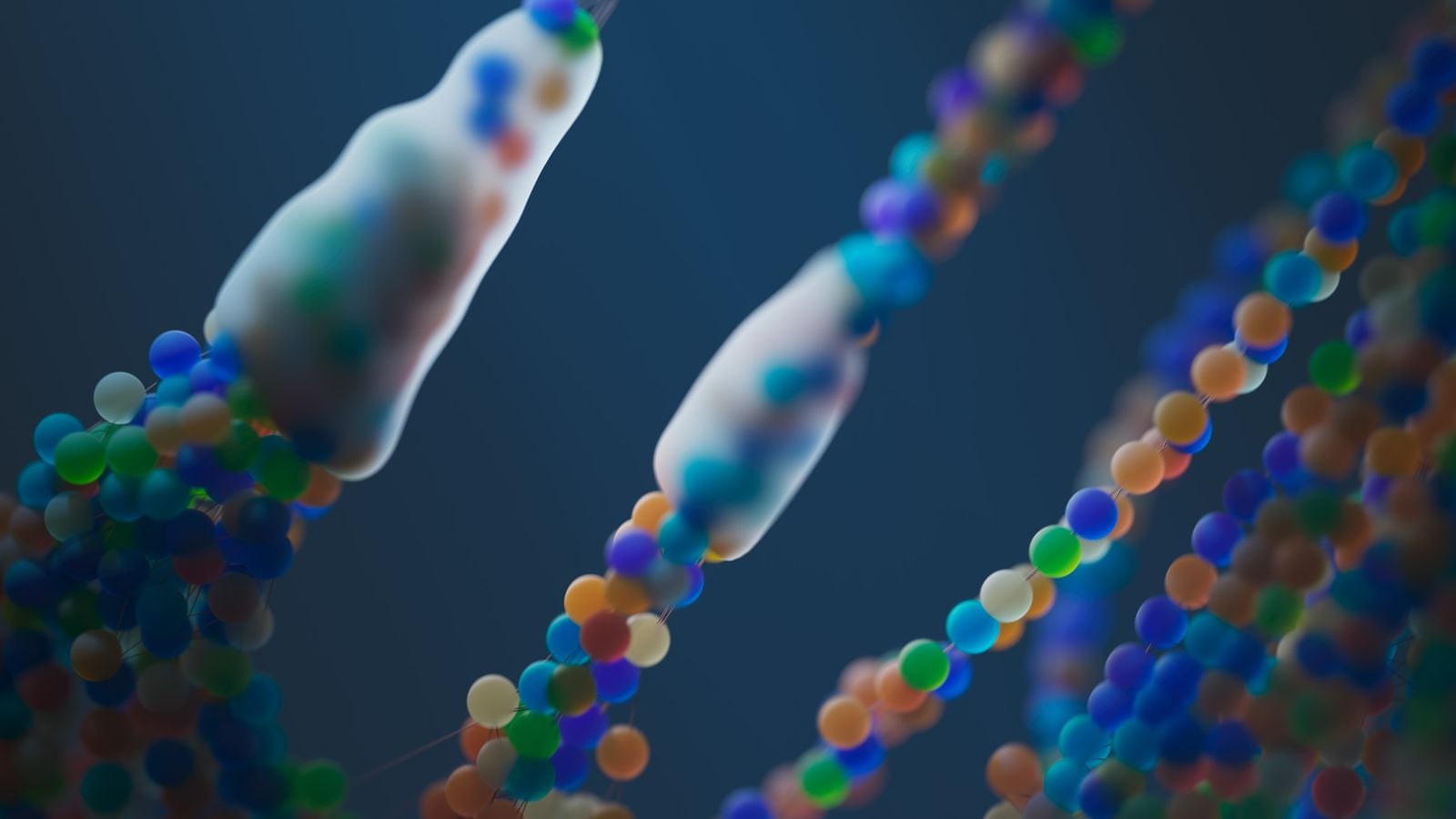
In humans, each telomere is built from thousands of repeats of the same six-letter DNA sequence — TTAGGG — bundled with protective proteins into a structure that loops back on itself and tucks the raw chromosome end away. Newborn cells carry telomeres roughly 10,000 to 15,000 base pairs long. By the time a person reaches old age, many of those same lineages have telomeres closer to 5,000 base pairs. The countdown is not metaphorical. It is a physical erosion measured in nucleotides.
The reason for the erosion is a quirk of the copying machinery. DNA polymerase can only extend a strand in one direction and needs a small primer to start, which leaves a gap at the very end of the lagging strand every time a chromosome is duplicated. Between 50 and 100 base pairs vanish from each telomere per division in ordinary human somatic cells. Nothing pathological is happening. The cell is simply doing what its chemistry allows.
The countdown and its two exits
When telomeres shrink past a critical threshold — often described in the literature as the Hayflick limit, after Leonard Hayflick’s 1961 observation that cultured human fibroblasts stop dividing after about 50 doublings — the cell reads its own chromosome ends as damage. Two things can then happen. The cell can enter senescence, a state in which it remains metabolically active but never divides again. Or it can trigger apoptosis, the orderly self-destruction pathway that dismantles the cell from the inside.
Both exits protect the organism from the same danger: a cell whose chromosomes are fraying is a cell that might start fusing them, scrambling its genome, and turning cancerous. A senescent or dead cell cannot become a tumour.
That is the trade. The body accepts a slow accumulation of tired, non-dividing cells in exchange for suppressing most of the runaway growth that would otherwise kill it far earlier. As the review on cellular aging and metformin summarised in a recent piece in SciTechDaily notes, telomere attrition sits alongside mitochondrial decline and chronic inflammation as one of the recognised hallmarks of biological aging.
Why cancer needs to break the counter
Cancer, at its most basic, is uncontrolled division. But uncontrolled division runs straight into the telomere problem. A tumour cell that has divided 60 or 70 times should have exhausted its caps and shut itself down. Most incipient tumours do exactly that, which is why the vast majority of would-be cancers never become anything.
The malignant cells that survive have found a way to switch the counter off. Around 85 to 90 per cent of human cancers reactivate telomerase, an enzyme that rebuilds the TTAGGG repeats and lets the cell divide indefinitely. Telomerase is present in embryos and in a few adult cell populations — stem cells, immune cells, germline cells — but is silenced in most somatic tissue. Cancers switch it back on.
The remaining 10 to 15 per cent use a stranger workaround called Alternative Lengthening of Telomeres, or ALT, in which the cell copies telomere sequences from other chromosomes using recombination machinery normally reserved for DNA repair. Researchers at Carnegie Mellon reported in 2024 that ALT-positive cancers, which include many aggressive paediatric brain tumours and sarcomas, tend to have worse outcomes precisely because their telomere maintenance is so hard to interrupt. A 2026 paper in Nature Communications traced how ALT gets established through highly mutagenic copying of small circular telomeric DNA fragments, offering the first mechanistic account of how a cell flips into that mode.
The point is simple. To become immortal, a cancer cell has to solve the telomere problem. Most fail. The ones that succeed are the ones that kill people.
What shortens them faster
The base rate of erosion is fixed by the biochemistry of DNA replication, but the total rate at which a given person’s telomeres shrink varies. Chronic inflammation, oxidative stress, and certain infections all appear to accelerate the process. A 2024 release from EurekAlert summarising work on the microbiome’s role in genomic stability described how imbalances in gut bacteria can raise systemic inflammation and correlate with shorter telomeres in blood cells.
The measurement itself is done on white blood cells drawn in a routine blood test, because those cells divide often and turn over quickly. Telomere length in leukocytes is now used as a rough proxy for biological, as opposed to chronological, age. Two 60-year-olds can differ by thousands of base pairs.
Whether telomere length causes the associated diseases or simply reflects the same underlying wear is still contested. As Medical News Today set out in its review of the field, the correlation is real but the direction of causation is not settled. Short telomeres travel with cardiovascular disease, type 2 diabetes, and some neurodegenerative conditions. That does not mean lengthening them would prevent those diseases.
The brain-disease signal
In January 2025, researchers presenting at the American Stroke Association’s International Stroke Conference reported that people with shorter telomeres appeared more likely to develop stroke, dementia, and late-life depression. The preliminary study, summarised by the American Heart Association newsroom, treated leukocyte telomere length as a biomarker of accelerated cellular aging and found the association held after adjusting for chronological age.
The finding was described as preliminary, presented at a conference rather than peer-reviewed at the time. It fits a broader pattern in the literature: the brain, whose neurons largely do not divide but whose supporting glial cells and vasculature do, appears sensitive to the pace at which the body’s dividing lineages exhaust themselves.
A shorter cap in a blood cell is not directly damaging a neuron. But it may be a legible signal that the systems keeping the brain supplied — vasculature, immune surveillance, glial support — are aging faster than the birthday cake suggests.
What the counter looks like in other species
Telomeres are ancient. Almost every organism with linear chromosomes has some version of them, and most use a telomerase enzyme to maintain them. The malaria parasite Plasmodium falciparum maintains its own telomeres to survive the many divisions it needs to complete its life cycle in a human host. A 2020 review in Frontiers in Cell and Developmental Biology argued that Plasmodium‘s telomere maintenance machinery may be an exploitable weakness for future antimalarials, precisely because it is essential and differs from the human version.
Mice have long telomeres and active telomerase in more of their tissues than humans do. They also get cancer far more readily, and at younger ages, than we do. Larger, longer-lived mammals — humans, elephants, whales — tend to have tighter telomerase repression in somatic tissues. Larger bodies contain more cells; more cells mean more chances for one to go rogue; tighter suppression of the immortality switch is one way evolution has answered that arithmetic.
The pattern is not perfectly clean. But the direction is consistent: species that need to keep a lot of cells behaving for a long time tend to have stricter telomere-based limits on division.
Why lengthening them is not obviously a good idea
The temptation, once the mechanism is clear, is to want to switch telomerase back on. Longer caps, more divisions, younger tissue. A whole wellness industry has grown up around the premise, selling supplements and interventions that promise to slow or reverse telomere attrition.
The problem is the counter’s second job. The same erosion that ages tissue is what stops most incipient cancers from ever becoming cancers. Reactivating telomerase system-wide would extend the dividing life of healthy cells and precancerous ones at the same time. In mouse experiments where telomerase has been boosted, some studies have shown extended healthspan; others have shown increased tumour formation. The two outcomes are not separable in any simple way.
There is a growing interest in drugs that address the upstream drivers of accelerated aging rather than the counter itself. Metformin, an old diabetes medication, has been studied for years as a candidate. The mRNA cancer vaccine platforms now moving through trials — Space Daily has covered the recent Merck and Moderna individualised melanoma vaccine Phase 3 result — take a different route entirely, training the immune system to recognise tumour cells rather than trying to alter the division counter itself.
What the counter does not tell you
Leukocyte telomere length is a useful biomarker, but it is a summary statistic of one tissue at one moment. Different tissues in the same body have different telomere lengths and shorten at different rates. A 45-year-old marathon runner and a 45-year-old smoker can have blood telomeres that differ by years of biological age, but neither number predicts with any precision when either of them will develop any given disease.
The counter is real. The threshold is real. The two exits — senescence and apoptosis — are real. What is not yet in hand is a clean intervention that slows the countdown without also disabling the anti-cancer effect that the countdown provides.
For now the caps continue to shorten with each division, roughly 50 to 100 base pairs at a time, in every dividing cell in the body. Right now, as you read this, several billion of your cells are finishing a round of division and losing a small piece of chromosome end they will never get back. The counter keeps counting.