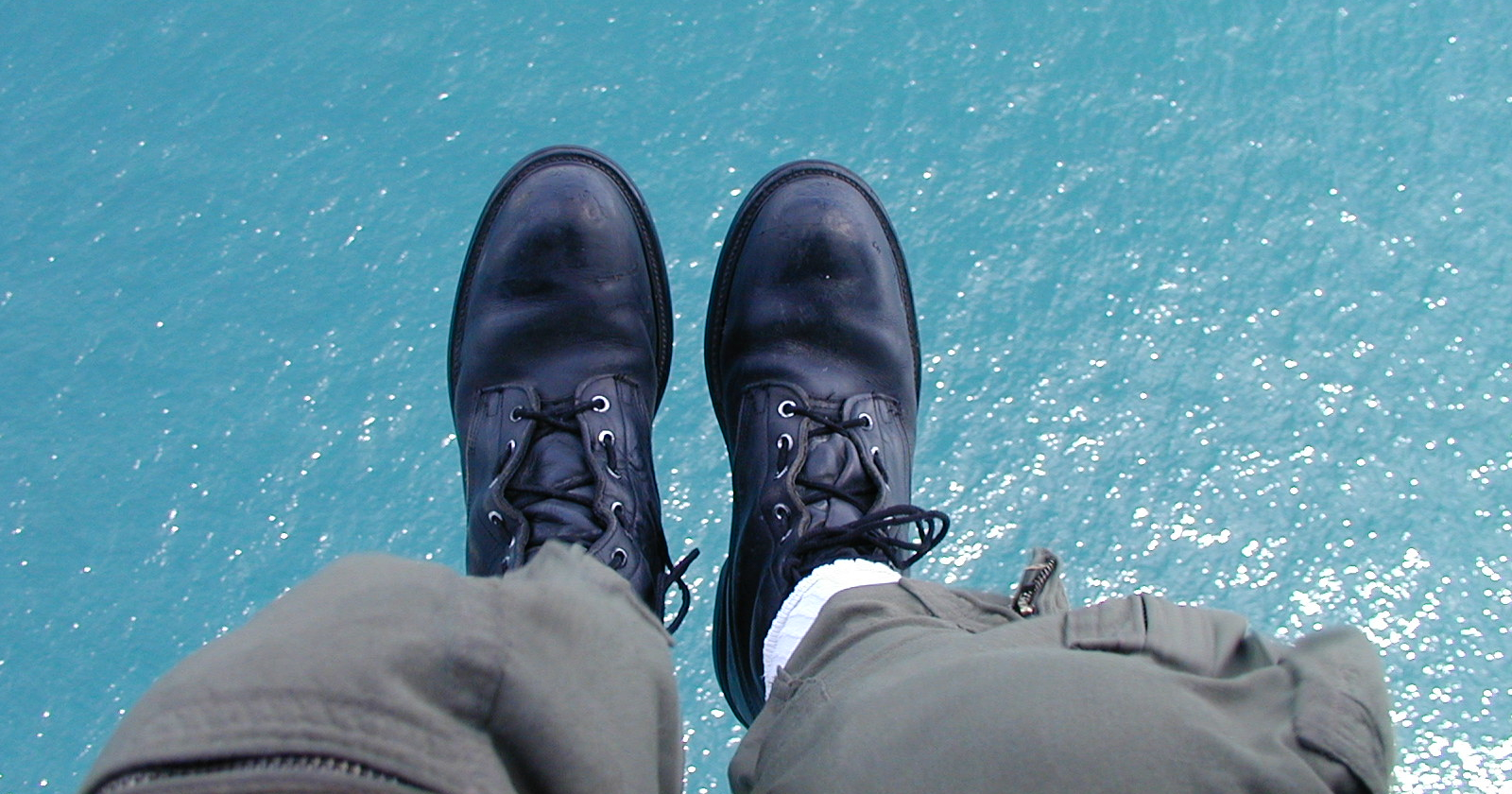
A person may feel comfortable looking down from an aircraft or a sealed observation room but unsteady near an exposed ledge. That does not make the fear imaginary or reveal one hidden diagnosis. The situations provide different visual, balance, and safety cues.
Astronaut Reid Wiseman offered a vivid example after his first spacewalk. His comment is useful as an observation about context, not as therapy advice.
This article is for general information and does not provide medical or mental-health advice.
What Wiseman described
In a published account of his 2014 spacewalk, Wiseman said he had been somewhat afraid of heights but experienced the view from orbit differently. The absence of a nearby ground plane and the secure attachment system changed the visual and physical context.
An astronaut’s experience cannot establish how acrophobia works for everyone. It does show why the label fear of heights can hide several different triggers.
How vision and balance contribute
Research on height perception and postural control has found that visual depth, distance from stable surfaces, and balance cues can affect fear and body sway. People also differ in prior experience, perceived control, and sensitivity to bodily sensations.
Clinical fear of heights is assessed by qualified professionals and can be treated with evidence-based approaches such as graded exposure. A striking quotation can make the mechanism easier to picture, but it is not better evidence than controlled research.
Editor’s note: This article was substantially revised on September 14, 2026, to remove an unverified personal anecdote and the comparison with therapists.