

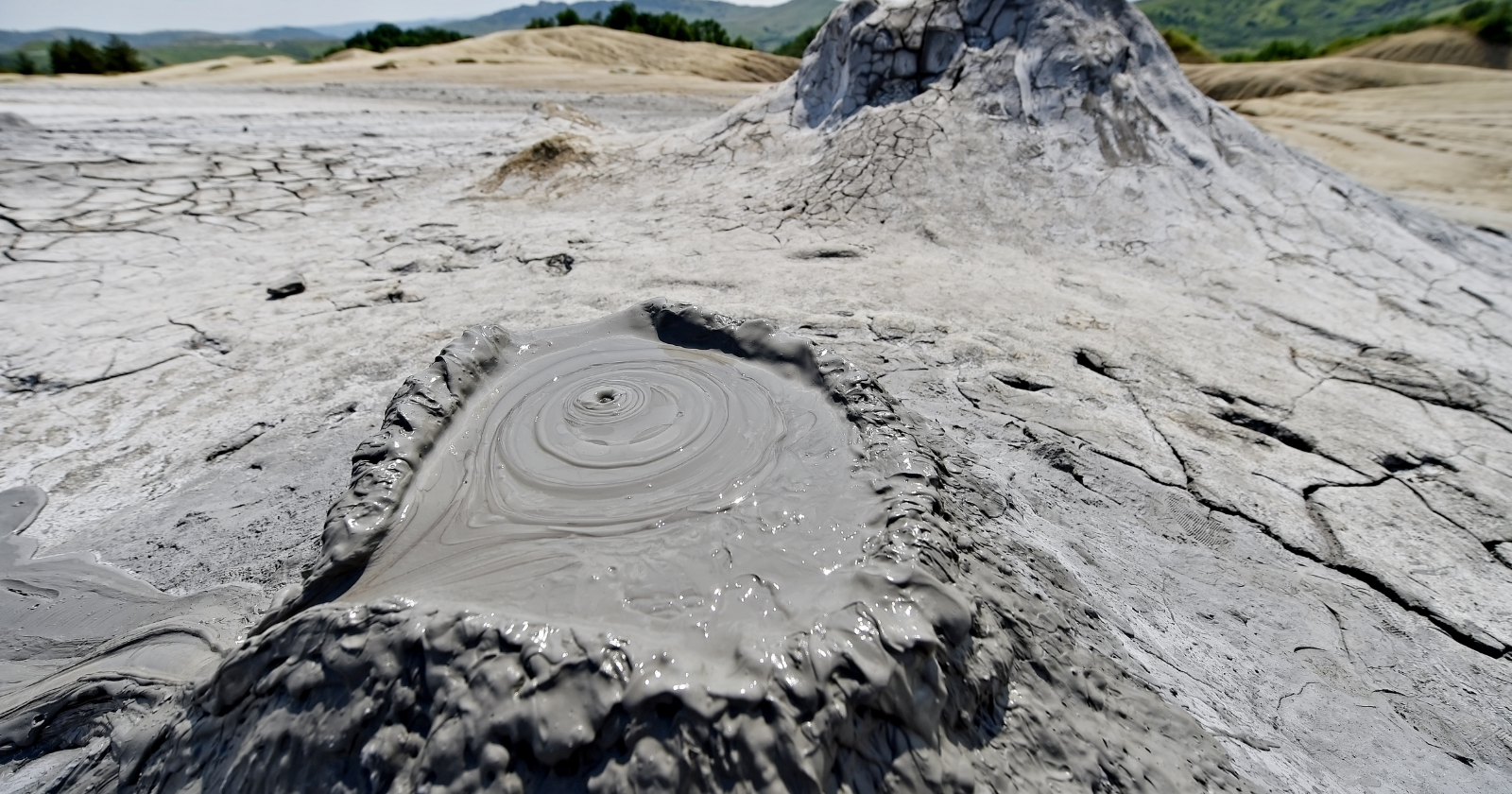
Deep in the Mariana forearc, mud volcanoes carry fluids produced by serpentinisation, and vent fluids at the Pacman site have previously been measured at pH 12.3. The sediment cores examined in this study were less alkaline: porewater reached pH 9.4 at Pacman and pH 8.9 at Subetbia. Standard DNA sequencing produced no usable signal, most likely because biomass was extremely low, so the researchers looked for lipid biomarkers instead.
According to a paper published in Communications Earth & Environment in August 2025, led by Palash Kumawat, a PhD candidate in the geosciences department at the University of Bremen, the researchers turned to a different kind of evidence: lipids, the fatty molecules that make up cell membranes. Where DNA had failed, these lipid biomarkers held up.
What the expedition found
The study drew on sediment cores collected from two previously uncharacterised serpentinite mud volcanoes in the Mariana forearc, which the authors named Pacman and Subetbia, gathered during Expedition SO 292/2 aboard the German research vessel Sonne in 2022. Serpentinite mud volcanoes form when seawater reacts with mantle rock forced upward along the subduction zone, a chemical process called serpentinisation. That reaction strips hydrogen from water and drives the pH of the surrounding fluid sharply upward.
Porewater in the Pacman core ranged from pH 7.6 near the surface to pH 9.4 deeper down, while the Subetbia core reached pH 8.9. The study also notes an earlier measurement of pH 12.3 in fluids venting from Pacman. Those figures describe different samples and should not be treated as proof that the microbes detected in the cores were living at pH 12.
High-pH, low-biomass sediments are difficult places from which to recover DNA. In these cores, PCR-based sequencing did not produce sufficient material for a community analysis. Lipid biomarkers supplied a different line of evidence that did not depend on recovering amplifiable genetic material.
Reading fat molecules instead of genes
Lipids behave differently to DNA under these conditions, and that difference is what let the team’s approach work where sequencing did not. The researchers used a technique sometimes called lipidomics, or intact polar lipid analysis, to hunt for the fatty compounds that microbial cells build and shed.
They found archaeol, hydroxyarchaeol, and a range of glycerol dialkyl glycerol tetraethers (GDGTs), lipid classes associated with archaea and bacteria that specialise in processing methane and sulfate. Because intact polar lipids break down relatively quickly once a cell dies, while their degraded “core lipid” remnants persist for far longer, the biomarker profile let the authors distinguish signals from currently active microbes from the fossil traces of communities that lived in the mud long ago.
That distinction points to a picture of shifting metabolisms over time. The paper describes evidence of communities moving between hydrogenotrophic methanogenesis, in which microbes generate methane from hydrogen and carbon dioxide, and anaerobic oxidation of methane coupled to sulfate reduction, in which other microbes consume that methane using sulfate as an electron acceptor. Which process dominates appears to depend on how much of each chemical substrate happens to be available at a given depth and time, rather than settling into one stable state.
Life at the edge of what is survivable
Kumawat and his co-authors, who include researchers from the University of Bremen and the Woods Hole Oceanographic Institution, frame the Mariana forearc mud volcanoes as a serpentinite-hosted biosphere where organisms persist at the fringes of habitability. The lipid evidence indicates membrane adaptations that help cells cope with the alkalinity, alongside metabolisms tuned to whatever chemical energy the fluid happens to be carrying.
Co-author Florence Schubotz has described the core finding plainly: that life under these conditions is possible at all. She has also suggested, more speculatively, that environments like this could resemble conditions present when life first originated on Earth, since serpentinisation reactions are thought to have been widespread on the early planet. That is a hypothesis raised in connection with this single study rather than an established conclusion, and the paper itself is focused on documenting what survives in the Mariana forearc mud today rather than making claims about the origin of life more broadly.
The scope of the claim deserves a precise reading. The paper does not report new species, and beyond one brief closing line noting that the work ‘provides valuable insights for exploring the potential for life in the Solar System,’ it does not elaborate on any specific environment beyond Earth — despite the obvious parallel to alkaline, chemically reducing settings proposed elsewhere in the solar system, such as beneath the ice shell of Saturn’s moon Enceladus. Serpentinisation is thought to occur on some icy moons too, but that specific connection is left for the reader to draw. The authors’ own analysis stays focused on what the lipid record shows about this one stretch of seafloor.
Why the method matters beyond this one site
The practical contribution of the study may end up mattering as much as the specific microbes it describes. Low-biomass, high-pH settings exist elsewhere on the seafloor and in the deep subsurface, including other serpentinite systems along the Mariana forearc and comparable formations near mid-ocean ridges, and DNA-based surveys routinely struggle in exactly this kind of environment. A validated lipid-biomarker approach gives researchers a second tool for these cases, one that does not depend on genetic material surviving intact. It also gives them a way to separate present-day activity from a fossil record sitting in the same sample, which a DNA test alone cannot easily do once the cells themselves are long gone.
Sediment cores from Pacman and Subetbia are difficult and expensive to collect, and the Mariana forearc remains only partly mapped at this level of detail. Whether the metabolic patterns identified here, the swing between methane production and methane consumption, hold at other serpentinite sites is still an open question.
For now, the paper stands as a carefully documented case of a sparse microbial community in serpentinite mud affected by hyperalkaline geochemistry. It also demonstrates a method for investigating similarly low-biomass environments when DNA-based techniques do not yield a usable signal.
Correction, 31 August 2026: An earlier headline said the microbes were shown living at pH 12. The sampled porewater reached pH 9.4 at Pacman and pH 8.9 at Subetbia; pH 12.3 referred to vent fluids previously measured at Pacman.