

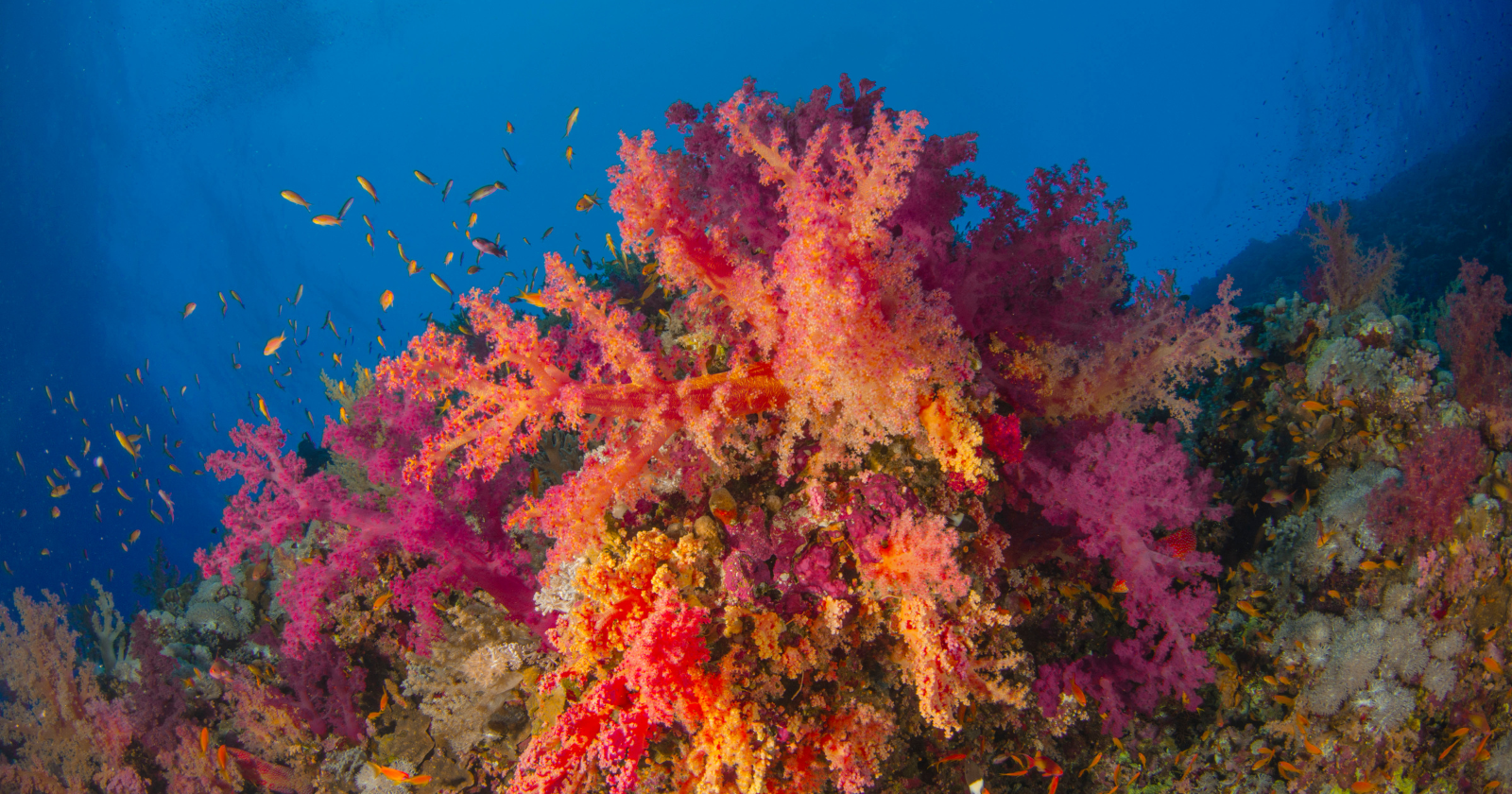
A black coral colony measuring approximately 4 metres tall and 4.5 metres wide has been found in the waters of Fiordland, New Zealand, making it one of the largest specimens on record in New Zealand’s marine environment. According to RNZ’s reporting from January 2026, the colony is estimated to be 300 to 400 years old.
The discovery was made by a research team led by Professor James Bell, a marine biologist at Victoria University of Wellington, working alongside the New Zealand Department of Conservation and the Fiordland Marine Guardians. Senior DOC biodiversity ranger Richard Kinsey, who has worked in Fiordland’s marine environment for nearly two decades, was on the dive when the colony was found. Bell described it as the largest black coral he had encountered in 25 years as a marine biologist.
The colony is consistent with Antipathella fiordensis, the species of black coral known to grow in New Zealand’s fiords, though RNZ’s report does not name the species directly. Its size is significant not only as a specimen record but for what large, old individuals represent to the species: they are the primary source of breeding stock in a group that grows very slowly and, once lost, cannot be replaced on any human timescale.
Why this species grows shallow in the fiords
Black corals are generally associated with deep water: most populations of the order Antipatharia are found at depths beyond the reach of recreational divers, and their long lifespans partly reflect the stability and low disturbance of cold, dark environments. Fiordland is an exception. This species grows at much shallower depths here than related black corals do elsewhere, and the reason is the fiords’ unusual water column.
Heavy rainfall over the Fiordland mountains creates a persistent layer of fresh water at the surface of the fiords. This fresh water carries dissolved tannins from the surrounding vegetation, giving it a dark colour that filters out most of the sunlight before it can penetrate more than a few metres. Below this freshwater lens, the salt water remains cold and nearly lightless, mimicking the conditions normally found at much greater depths. Black corals, which require low light and stability, can thrive at accessible dive depths in the fiords in conditions that would only exist hundreds of metres down in the open ocean.
This is also what makes the colony’s location vulnerable. Accessible depths mean anchor lines, fishing gear, and recreational dive activity are all potential threats that would not exist if the colony were at depth. The colony is protected under New Zealand’s Wildlife Act, which makes deliberate collection or damage illegal. Its location is now known to researchers, which is the first step toward ensuring that protection has practical effect.
The age estimate and what it accounts for
An age of 300 to 400 years places the colony’s origin somewhere in the seventeenth century. Antipathella fiordensis grows slowly; the accumulated size of this specimen is consistent with that age range. Age estimation for black corals is typically done through analysis of growth rings within the hard skeleton, analogous to dendrochronology in trees, combined in some cases with radiometric dating. The 300-to-400-year range should be understood as an estimate, not a precise figure, and the published research will carry the methodological details that determine how that range was derived.
Some other black coral species, particularly those from deep-sea environments in other genera, have been estimated to live considerably longer. Certain specimens of Leiopathes, found in deep water, have been dated at over four thousand years, placing them among the oldest living organisms known. The Fiordland colony is not in that category, but its age range still means it was growing before New Zealand’s colonial period, through the entirety of European contact with the South Island, and up to the present.
What the name gets wrong
The living animal is white. The name “black coral” refers to the skeleton, a hard, dark, proteinaceous material that becomes visible after the animal dies or when a dead specimen is collected for study or trade. The living tissue, the actual organism, is pale, cream-coloured, or translucent, with small tentacles extended into the water column to capture food. The striking blackness of the prepared skeleton, which has been carved into jewellery and decorative objects for centuries, is what gave the group its name. Most black corals were encountered as collected skeletons before the living animals were closely studied, and the name stuck.
The gap between name and animal is not unusual in natural history, where the description attached to a species often reflects how it first came to European attention rather than how it actually looks in life. In this case, the naming history created a lasting confusion: “black coral” conjures something dark and dramatic at depth, when the living colony is a pale, slow-growing organism that could be mistaken for a shrub of bleached branches.
What the research team is asking for next
Bell and his colleagues are now working to map the distribution of large black coral colonies across Fiordland. The find in January 2026 was made in the course of a broader survey conducted with DOC and the Fiordland Marine Guardians; the team is asking anyone with knowledge of particularly large black corals, those greater than four metres, to report their locations. The goal is to build a picture of where the largest, oldest individuals are concentrated so that protective measures, including guidance on where not to anchor or set pots, can be targeted appropriately.
It is possible that other colonies of similar or greater size are present in the fiords and simply have not been found yet. The survey programme is ongoing.