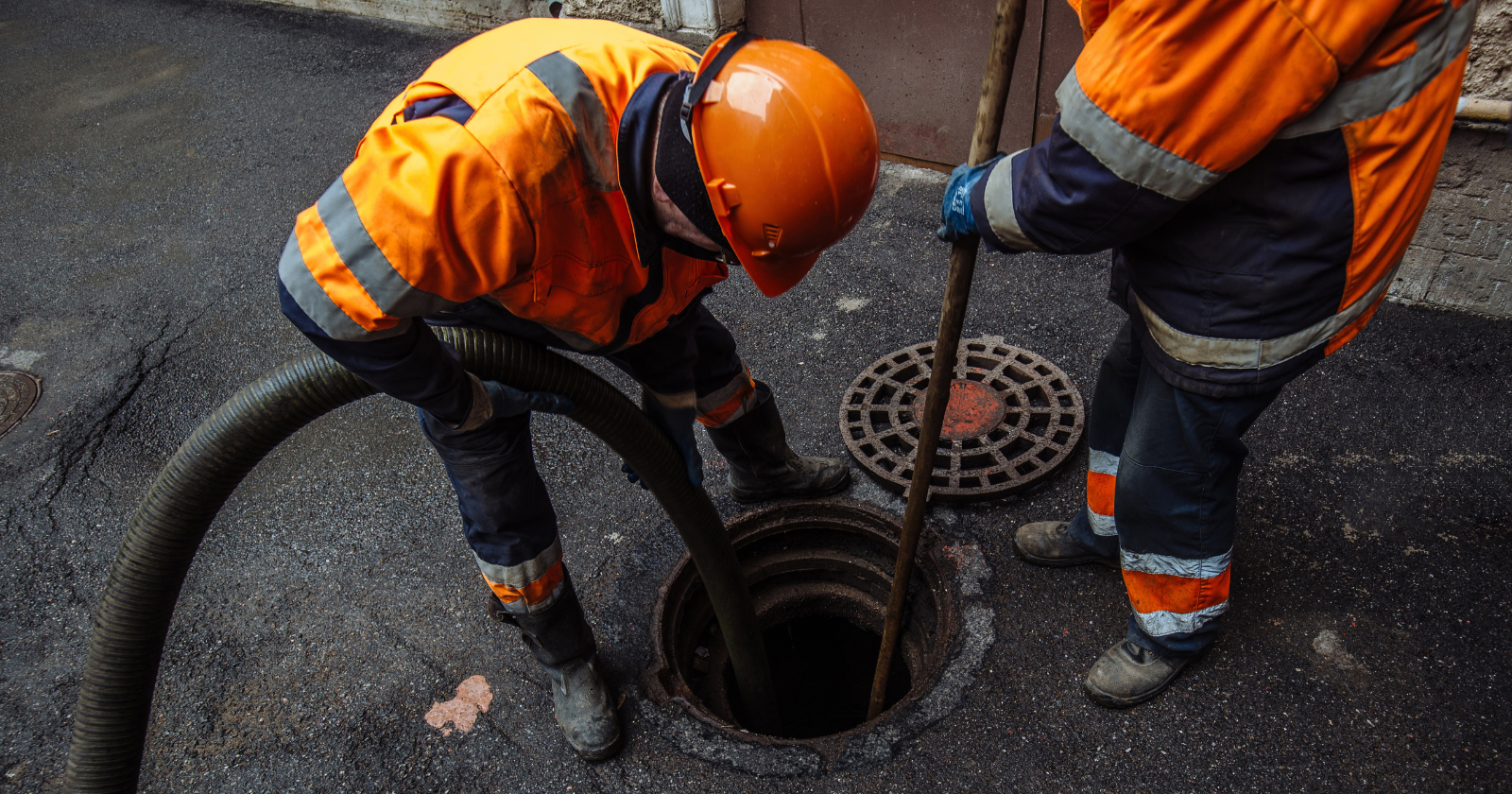
The story of how a London water utility ended up as an accidental biodiesel supplier for the city’s bus fleet begins, plausibly enough, with a Victorian sewer system that was engineered in the middle of the nineteenth century for a much smaller and much thinner population, and which now has to handle the drainage of 8.7 million modern Londoners who eat more takeaway food, flush more disposable products, and pour more cooking grease down their kitchen sinks than the original engineers ever anticipated.
What happens when all that goes underground and meets in a horizontal Victorian brick pipe is what London’s water treatment crews eventually named a fatberg. Which turned out, when somebody finally worked out what to do with it, to be a genuinely useful fuel source, provided you had the right industrial partner and enough patience to wait six days for the processing to finish.
What a fatberg actually is
The Whitechapel fatberg, which is the specific one that got most of the world’s attention when it was found in September 2017, is a good starting point. It was 250 metres long, weighed roughly 130 tonnes, and had set as hard as concrete inside a Victorian sewer pipe running under Whitechapel Road in east London. Thames Water crews spent nine weeks breaking it apart with high-pressure jets in a metre-high, egg-shaped brick tunnel that made the working conditions, on the direct field description of one of the operations managers who was down there, cramped and humid and unpleasantly warm. The fatberg had done structural damage to the pipe itself. It had blocked drainage across the neighbourhood. It was, in the specific technical categorisation used by wastewater engineers, a FOG deposit, meaning an accumulation of fats, oils, and greases that had bound together with non-biodegradable flushed products like wet wipes and sanitary items into a single solid mass.
What a fatberg is made of, at the ingredient level, is roughly what you’d expect. Restaurants and home kitchens pour cooking oil, meat fat, and rendered animal grease down their drains. These substances arrive in the sewer warm and liquid, then cool and solidify against the pipe walls as the ambient temperature drops. Any non-degradable object that has been flushed down a toilet, and Londoners flush a surprising quantity of them, gets caught in the accumulating fat layer as it drifts past. Wet wipes are the primary culprit. Baby nappies, sanitary products, cotton buds, dental floss, and condoms are the next tier. The mass grows outward from the pipe wall, layer by layer, until it either blocks the pipe entirely or gets discovered by a sewer inspection crew running a camera through the network. Christmas is the worst season, because of the volume of turkey fat and roast drippings that get poured down sinks over the holidays.
What Thames Water used to do with a fatberg, once its crews had extracted one from the pipes, was either send it to landfill or break it down and put the residue back through the standard sewage treatment cycle. Both of those approaches were expensive, generated no useful output, and did nothing to reduce the underlying flow of cooking fat into the network. The idea of doing something else with the material was, on the utility’s own account, a fairly recent one. And what it turned out to enable was one of the more counterintuitive resource-recovery pipelines in modern British infrastructure.
The Ellesmere Port pipeline
According to Live Science’s September 2017 reporting on the fatberg-to-biodiesel partnership by senior science journalist Mindy Weisberger, drawing on Thames Water’s press statements about the Whitechapel extraction, the utility began collaborating with a British renewable fuel company called Argent Energy, which had already been operating a biodiesel refinery in Ellesmere Port in Cheshire that took in waste cooking oil, animal tallow, and other low-grade fats from restaurants and food producers across the United Kingdom. The partnership meant Argent would accept fatberg material as well, provided Thames Water tankered it four hours up the M6 from London to the plant in a form pure enough to be worth processing.
What happens to a fatberg at the Ellesmere Port refinery is a multi-stage industrial process that, on the eventual product yield, converts less than forty per cent of the incoming mass into usable biodiesel. According to detailed reporting by CBC News reporter Thomas Daigle, who visited both a London sewer clearance operation and the Argent Energy plant in Ellesmere Port for a 2017 documentary segment on the fatberg-to-biodiesel supply chain, the arriving fatberg material is first filtered to remove the solid debris that came with it. The remaining liquid, which is what Argent Energy’s director of corporate affairs Dickon Posnett describes as pretty poor, rancid quality fat, is then heated to boiling temperature and put through a chemical process called transesterification, which breaks the long fatty acid chains in the raw material and converts them into shorter-chain methyl esters that behave like conventional diesel fuel when burned in an engine. The whole process takes up to six days per batch. The finished product is a clear amber liquid indistinguishable, at the pump, from petroleum-derived diesel.
Argent Energy sells that biodiesel, blended with conventional diesel in a ratio of roughly twenty to thirty per cent biofuel, to industrial and commercial fuel purchasers across the United Kingdom. One of its main customers is Metroline, the London bus operator that runs a substantial fraction of the city’s iconic red double-decker fleet. Which is where the story arrives at the sentence in the title. The same congealed cooking oil that Londoners poured down their kitchen sinks, which then set as concrete-hard fatberg in the Victorian sewer pipes underneath their streets, was chipped out by Thames Water crews, trucked up to Cheshire, processed into transport-grade biodiesel, and then trucked back down to London to be burned in the fuel tanks of the buses running above the pipes it had originally clogged.
The Whitechapel fatberg alone yielded roughly 10,000 litres of finished biodiesel. Which was enough, on Thames Water’s own calculation, to power 350 double-decker Routemaster buses for a day of London service. Which is a strange kind of result for anything that was, six weeks earlier, considered by most of the people who worked around it to be the single worst thing in the city underneath the ground. The utility has since incorporated the biodiesel route into its standard fatberg management protocol, and Argent Energy has been actively developing capacity to process significantly more of the material as further fatbergs get discovered. Since Thames Water alone deals with hundreds of sewer blockages per day, and since the Christmas turkey grease season is now regarded as a reliable annual peak in the supply cycle, the operational conclusion, on the accumulated fifteen years of experience so far, is that congealed fat from a London sewer can be turned into fuel for a London bus, provided somebody is willing to do the work of getting it from the one to the other.