

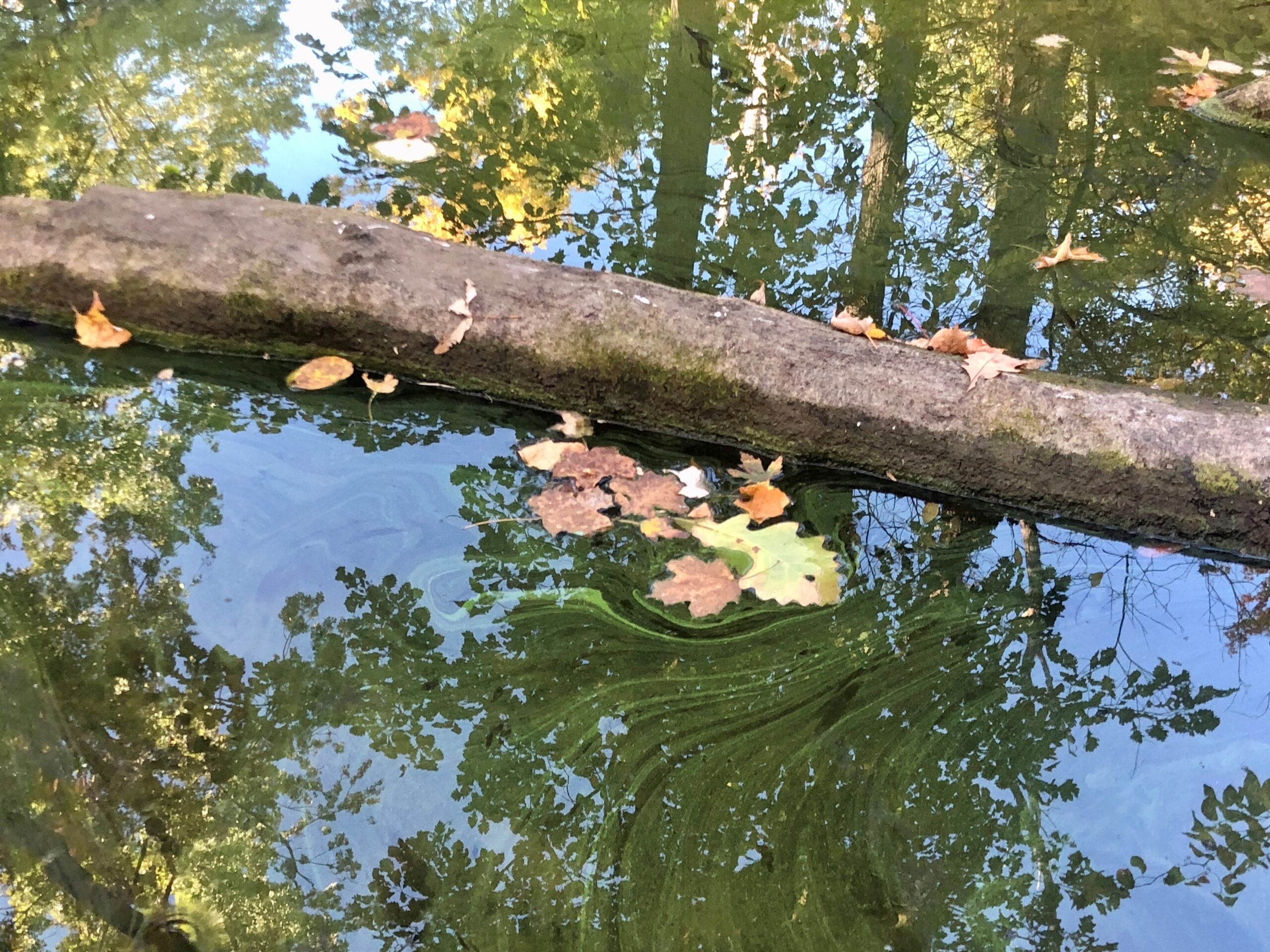
In the summer of 2024, a small lake in the Upper Peninsula of Michigan was deliberately dyed blue — not for spectacle, but to steal light from algae — and by the end of the season it had turned green anyway. The lake is Peter Lake, a long-serving subject of one of ecology’s most patient experiments, and the person tipping pigment over the gunwale was Danny Szydlowski, a PhD candidate and CASC graduate fellow at the University of Wisconsin–Madison Center for Limnology, working with a colleague, Dat Ha. Their account of the season, published on the Midwest Climate Adaptation Science Center blog on 22 January 2025, reads less like a triumph than a puzzle: the dye went in, the fertiliser followed, and the water still bloomed.
That mismatch — between an intervention designed to suppress algae and a lake that greened regardless — is the interesting part. Whole-lake experiments are expensive, slow and irreversible in the short term, and they are run precisely because they can surprise you in ways a bucket of pond water on a bench cannot.
Two lakes, one thin strip of gravel
Peter Lake does not work alone. Since the 1980s, the Cascade Project has run on a deceptively simple premise: take two lakes that are nearly identical in shape and size, separated only by a thin strip of dirt and gravel, manipulate one and leave the other alone. Peter is the lake that gets pushed. Paul Lake, its twin, is the reference — the control that experiences the same weather, the same seasonal light, the same regional rainfall, and none of the deliberate meddling.
That design is the whole point. In field ecology, the hardest question is usually not what happened but what would have happened anyway. A lake that greens in a hot, wet summer might be responding to the treatment, or to the summer. With a near-identical neighbour metres away, the researchers get something close to a counterfactual: two water bodies drawing on the same sky, one nudged, one not.
Whole-lake experiments exist because lakes are not scalable in a beaker. Mixing, stratification, sediment chemistry, zooplankton grazing, the daily march of light through a water column — these are properties of a whole system, and they routinely refuse to behave the way isolated components suggest. The Cascade Project’s decades of work on Peter and Paul have made them among the most intensively watched small lakes anywhere, which is exactly what makes them useful for asking newer, harder questions about resilience.
Blue first, then fertiliser
The 2024 experiment ran a deliberate sequence. First came Aquashade, a dye engineered to block light before it reaches algae, mixed through the water with an electric trolling motor — the blog carries a photograph, credited to Grace Wilkinson, of Szydlowski and Ha adding it. Then came fertiliser additions on top of the dyed water.
The logic is a two-lever test of what actually holds a bloom back. Algae need light and nutrients. Dyeing the lake blue turns down the first lever across an entire ecosystem, not a mesocosm. Adding fertiliser then leans hard on the second. Between them, the treatments probe the question that motivates Szydlowski’s research: how difficult is it, in practice, to cause a bloom in a real lake? That framing inverts the usual management instinct. Rather than asking how to stop blooms once they start, the work asks how much pressure a lake can absorb before it flips — because that resistance, measured honestly, is what resilience means.
The stakes behind the abstraction are familiar enough. Harmful algal blooms can diminish recreation and drinking-water quality, and some can secrete toxins; Szydlowski’s broader research interests run to lake resilience and the drivers of change that are becoming less exotic every decade, including heatwaves and storms. Understanding where the tipping point sits, and what nudges it, is a prerequisite for managing lakes under a shifting climate rather than simply reacting to them.
The green that arrived anyway
It did not hold. Despite the dye, Peter went from blue to green, because an algal bloom developed regardless. The team’s suspicion, as Szydlowski describes it, is that repeated rain kept washing the blue pigment out of the lake — diluting and flushing the very shading they had installed, so that light kept finding its way back to the algae. That remains a hypothesis rather than a demonstrated mechanism: a plausible reading of a wet season by the people who were standing in it, not a proven cause.
The caveat in the write-up is emphatic and worth repeating. Nobody involved is recommending that lake users go and dye their lakes blue. It is impractical at large scale, and the long-term ecosystem effects of doing so are unknown. Aquashade in Peter Lake is an experimental instrument, not a management prescription — a way of turning a knob that is otherwise impossible to turn, in a lake specifically set aside for being turned.
What a season like this teaches is quieter than a result. A treatment designed to suppress a bloom did not suppress it, and the leading explanation involves weather rather than biology — the storms that keep arriving and, the team suspects, keep undoing the intervention between them. If storminess can neutralise a deliberate, whole-lake attempt to limit light, that is itself a data point about how resilience gets measured, and about how much of it depends on conditions no one controls. Peter Lake refused to stay blue. Paul Lake, metres away, kept the season honest. The next attempt to probe a lake’s bloom threshold will be designed by people who have watched how easily a wet season can — the team suspects — rinse an experiment out.