
Saving up to buy land is a slow arithmetic. You put money aside, prices move, and the parcel you had your eye on becomes somebody’s subdivision plat. Keith Ludwig ran that arithmetic for years before it came out in his favour: 660 acres of working ranch in Hardee County, Florida, strung along Brushy Creek west of the Peace River, described by the Florida Conservation Group as the ranch he spent years saving to buy.
Then he did the thing that surprises people who assume a hard-won property is meant to be cashed out. He placed a conservation easement over it — a permanent legal restriction on future development — while keeping the cow-calf operation running. The cattle stay. The pasture stays pasture. What disappears is the option, for him and for every owner after him, to turn the flatwoods into rooftops.
The easement was completed through the Rural and Family Lands Protection Program administered by the Florida Department of Agriculture and Consumer Services, which announced the Ludwig Property in August 2026 as one of four farms and ranches given permanent protection in the same tranche. In the state’s ledger the parcel is listed as an approximately 639-acre cow/calf operation; the Florida Conservation Group’s account of the ranch describes 660 acres. The two figures sit side by side in the public record, one a conservation narrative and one a state acquisition document, and there is no need to force them into agreement here.
From an Indiana farm to a Hardee County cow-calf operation
Ludwig is a first-generation rancher, which in Florida cattle country is a genuinely unusual sentence. The industry there runs on multigenerational families, on brands and fence lines inherited rather than bought. He arrived from a different direction entirely: a childhood on a small farm in Indiana, then a working life as an oceanographic engineer — a career spent, one assumes, closer to instruments and salt water than to weaning weights.
The ranching knowledge came the way it usually does when it does not come from a parent. According to the Florida Conservation Group’s account, Ludwig learned cow-calf work from experienced local ranchers, the neighbours and old hands who know which pasture floods first and when to pull calves. That apprenticeship is the quiet infrastructure of agricultural landscapes everywhere, and it is also the part that vanishes fastest when land turns over to non-agricultural uses. You cannot learn stockmanship from a parcel that has been rezoned.
Hardee County is a fitting place to have landed. It sits inland in the Peace River Valley, a region of pasture, citrus, row crops and phosphate country, far enough from the coasts to have escaped the first waves of Florida’s growth and close enough to feel the pressure of the next one. Land here has historically been valued as land — for what it grows and what it carries — rather than as a development entitlement waiting to be exercised.
What a working-lands easement actually does
The Rural and Family Lands Protection Program is built around a distinction that gets lost in a lot of conservation coverage: it does not buy land, it buys development rights. The property remains privately owned, privately managed and, crucially, still working. Cattle continue to graze. The rancher continues to make the operational decisions. The state acquires a permanent easement extinguishing the right to convert the property to residential or commercial development.
For a first-generation owner, the appeal is practical as well as philosophical. The easement payment converts a portion of the land’s speculative value into present-day capital without requiring a sale, which is often the difference between a ranch that pencils out and one that does not. FDACS put the value of the Ludwig easement at $3,850,000 in its announcement.
That structure explains why programs like this attract landowners who would never sell to a park agency. Nobody is being asked to leave. Nothing is being rewilded in the sense of being emptied of livelihood. The Florida Conservation Group, which works with landowners navigating these agreements, frames its role as helping ranchers find the conservation tools that fit an operating business — and the group notes that Ludwig hopes other landowners in the region will look at the program for themselves.
Brushy Creek, the corridor gap and a watershed’s arithmetic
Geography is where this parcel earns its second argument. Brushy Creek bisects the western half of the property, running just north of where it joins Horse Creek on its way into the Peace River. The land divides accordingly: pasture and cropland to the east, flatwoods and forested wetlands to the west — the mosaic that Florida conservation planners keep describing as the connective tissue of the state.
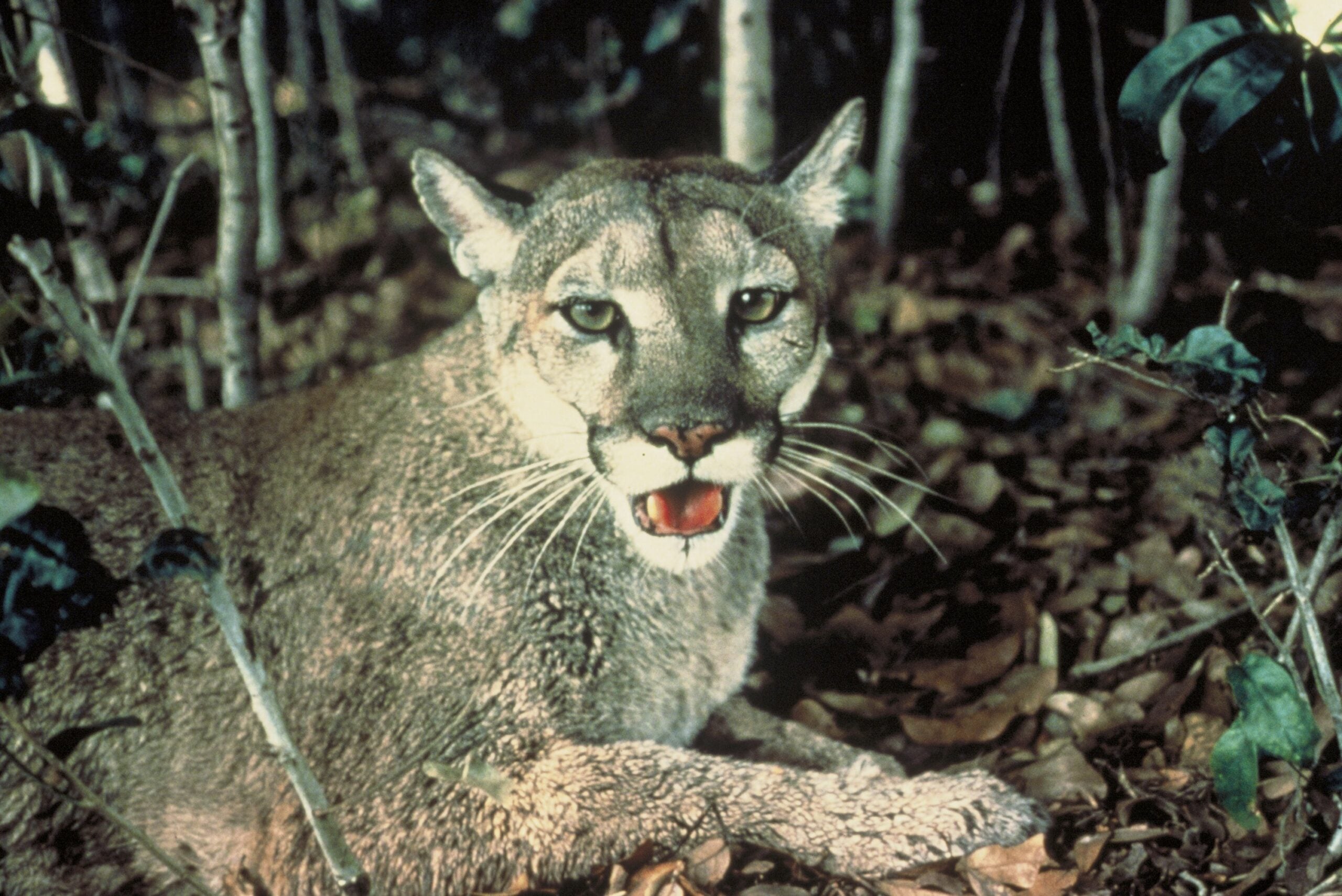
The Florida Conservation Group characterises the easement as helping close a gap in the Florida Wildlife Corridor, the statewide network of protected and working lands intended to keep habitat continuous rather than fragmented. Species named in that framing include the Florida panther, the eastern indigo snake and the Florida burrowing owl. It is worth being precise about what that means: this is a statement about habitat potential and connectivity, about keeping a route unblocked and a landscape intact — not a claim that any of those animals have been counted on this specific ground.
The water case is similarly structural. The property sits in the Brushy Creek basin within the Peace River watershed, and the Florida Conservation Group cites benefits for water quality, aquifer recharge and flood attenuation from keeping such lands undeveloped. The Peace River Valley, per that same reporting, supplies drinking water to nearly one million residents. Over the previous year, the group says it supported conservation easements covering some 11,000 acres in the watershed.
Set against Florida’s development curve, 660 acres — or approximately 639, depending on which document you are holding — is a small number. But corridors are not built from large numbers. They are built from adjacency, from one landowner’s decision meeting another’s, and from working ranches that stay working long enough to remain part of the map.