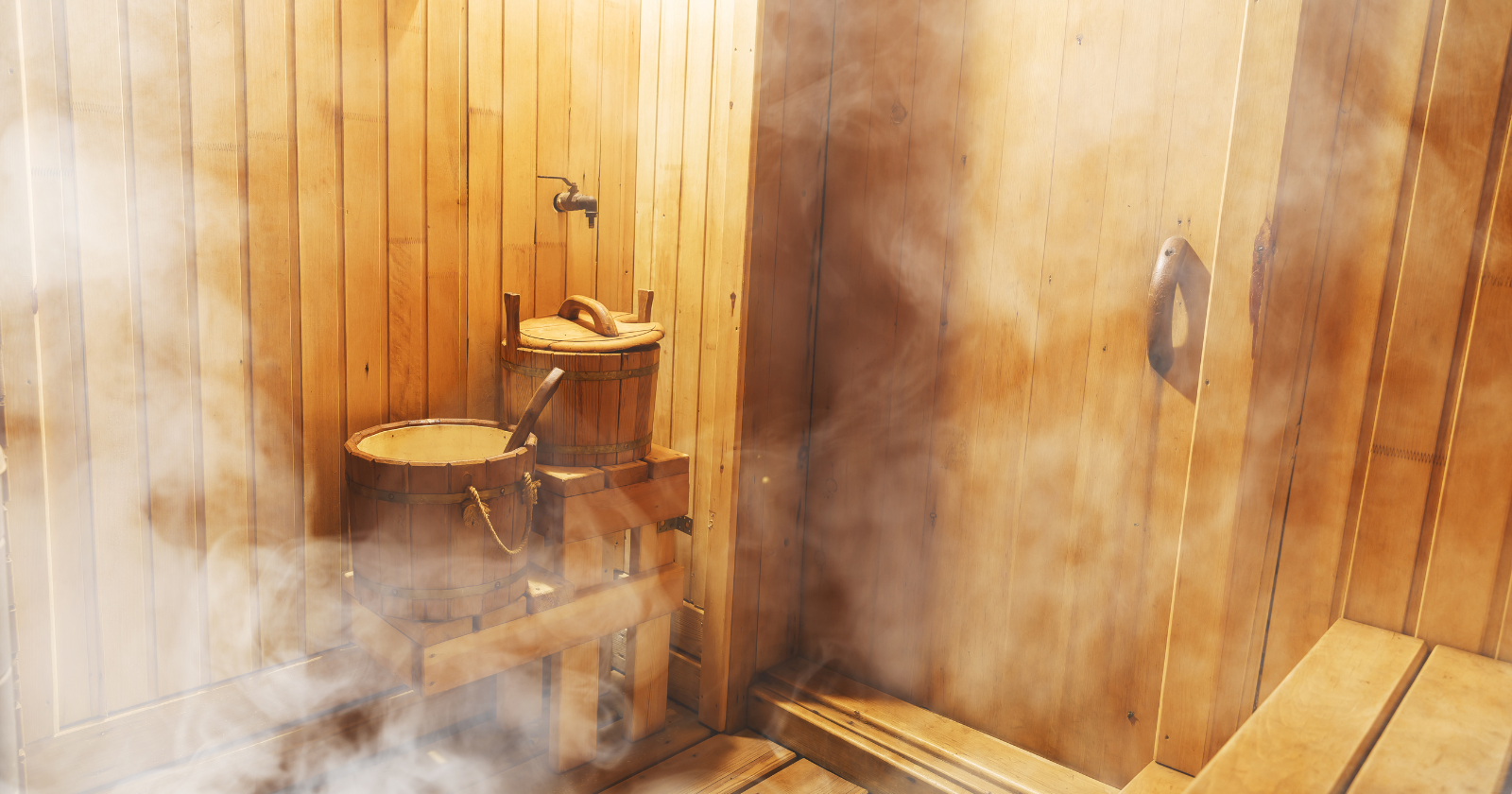
Finland’s cabinet used to finish the working week by taking its clothes off.
A reporter for The Christian Science Monitor who went hunting for the country’s diplomatic secret weapon in 1987 found ministers wrapping up their weekly meetings in the sauna, a ritual they called evening school. Arto Ojala, then running the Finnish Employers’ Confederation, explained the appeal to the paper in flat terms: on a hot wooden bench you stop being the finance minister and become an ordinary man.
No minutes, no agenda, no seating plan.
Counting the hot rooms
UNESCO added Finnish sauna culture to its register of intangible cultural heritage in 2020, citing a total of 3.3 million saunas against a population a little under 5.5 million, which works out to roughly one per household. More cautious estimates, the ones that stick to registered buildings, land nearer 2.7 million. Nobody has ever managed a proper census of small wooden rooms.
Cars are easier to count. Statistics Finland logged 2,723,489 passenger cars in traffic use at the end of 2025, comfortably fewer than the saunas by any estimate going. Include every car on the register but off the road and the figure jumps to 3.8 million, which is duller and says less about how Finns spend a week.
Volume like that has a practical explanation. Before hot taps and central heating, the sauna was the cleanest warm room a household owned, which is why families settling a new plot often built it before the house, and part of why, as thisisFINLAND notes, Finland still has people walking around who arrived, quite literally, inside one. Moving to town should have finished the habit off. Instead, National Geographic reports that Finland hit peak urbanisation in the 1980s, with seven in ten Finns living in cities by then, and it was around that point that the apartment sauna went from novelty to standard fitting.
Rank stops at the door
Swimming costumes stay outside. Voices stay low, because Finns treat the room with something close to church manners, and where you sit is settled by heat tolerance rather than seniority. Urho Kekkonen, president for twenty-five years and the patron saint of all this, described the effect in a line that Secretary of State Pertti Torstila was still quoting in an address to the International Sauna Congress in 2010. “You don’t keep your politics up your sleeve when you are not wearing sleeves.”
Finnish institutions took the idea seriously enough to put it in the floorplan. Torstila’s tour of the practice runs through ministries, city halls, schools and hospitals, a dedicated sauna wing inside the Parliament building, and heaters at Nokia’s Espoo headquarters for staff coming out of the company gym. Every one of Finland’s 98 missions abroad, diplomatic and consular alike, had its own.
Kekkonen’s benches
In 1960, Kekkonen took Khrushchev out to his villa by the lake for the night, the two of them alone in the heat for the better part of an hour, and it was close to five the next morning before the talking wound up. TIME covered it as it happened. Its reporting read the next day’s joint communiqué as Soviet permission for Finland to become a qualified member of the Western free trade area, the economic tie Moscow had spent years discouraging.
Whether the heat did the work is a separate question. Bradley Reynolds argues in Cooperation and Conflict that the strongarm version (plucky small state sweats superpower into submission) is a national myth Finland has found useful to keep telling.
Useful myths still need somewhere to happen.
Who gets invited now
Martti Ahtisaari ran a gentler version of the same play. Across his years as a senior United Nations envoy on Namibia, as Foreign Policy has documented, he built relationships with Namibian independence fighters by inviting them to his sauna, well ahead of the Nobel Peace Prize and the mediation work in Kosovo and Indonesia that followed. Asked why he’d bother with one in a climate already this hot, per Torstila’s account, he said stepping back out into it afterwards felt almost mild by comparison. Finnish peacekeepers carried the habit to the Sinai and to Kosovo, where putting up the sauna came first.
Washington keeps the tradition ticking over. Robbie Gramer, reporting for the same magazine, spent an evening with the Finnish embassy’s Diplomatic Sauna Society and met the usual capital ecosystem of staffers, wonks and reporters, minus the suits that normally do their talking for them.
Plenty of countries are buying the hardware now. Barrel saunas in back gardens, cold plunge tubs, a heart rate strap, a booking app, a queue on the pavement at eight on a Saturday morning.
What arrives in the crate is a stove, some stones and a bench. What does not arrive is a country’s agreement about how to behave once everyone sits down: no shouting, no rank, no phones, and a shared assumption that whatever gets said in the heat is not repeated at the tram stop. Finland took a few hundred years to settle that part. The timber was always the cheap bit.