
Space, science, and the human mind. Since 1995.
Mind & Meaning

Thought of the day from Carl Jung: "Who looks outside, dreams; who looks inside, awakes"

I am not a psychologist or a therapist, and what follows is one writer reading Jung and a bit of modern research, not advice.

Latest

All articles →
Science

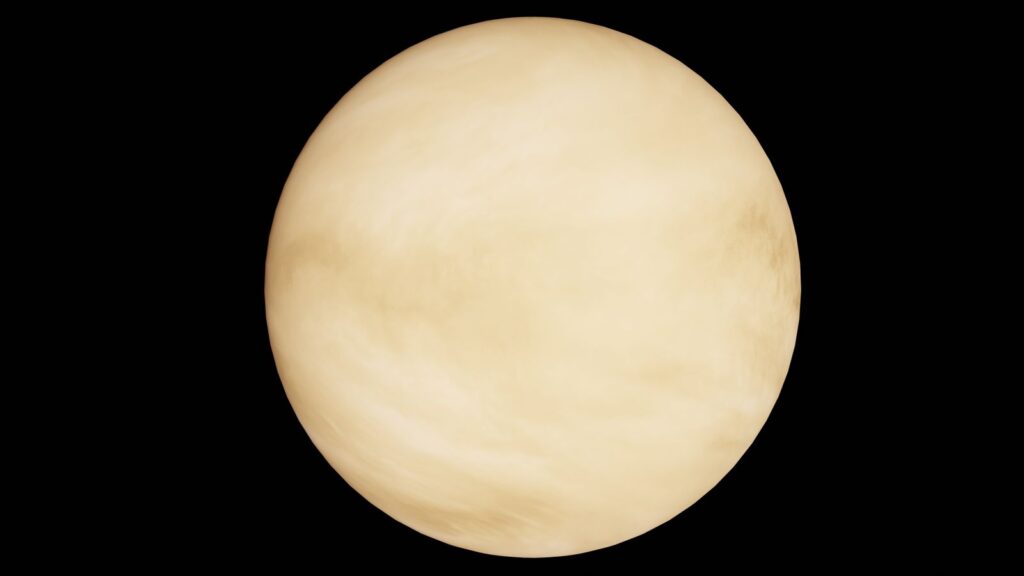
Some climate models suggest Venus could once have had liquid water and habitable temperatures, until a dramatic transformation hundreds of millions of years ago. One leading idea is that widespread volcanic resurfacing helped push the planet into the runaway greenhouse state that left it hotter than Mercury today.

Venus today is the most hostile planet in the solar system. Its surface sits at about 465 degrees Celsius, hotter than Mercury despite…

Constellations

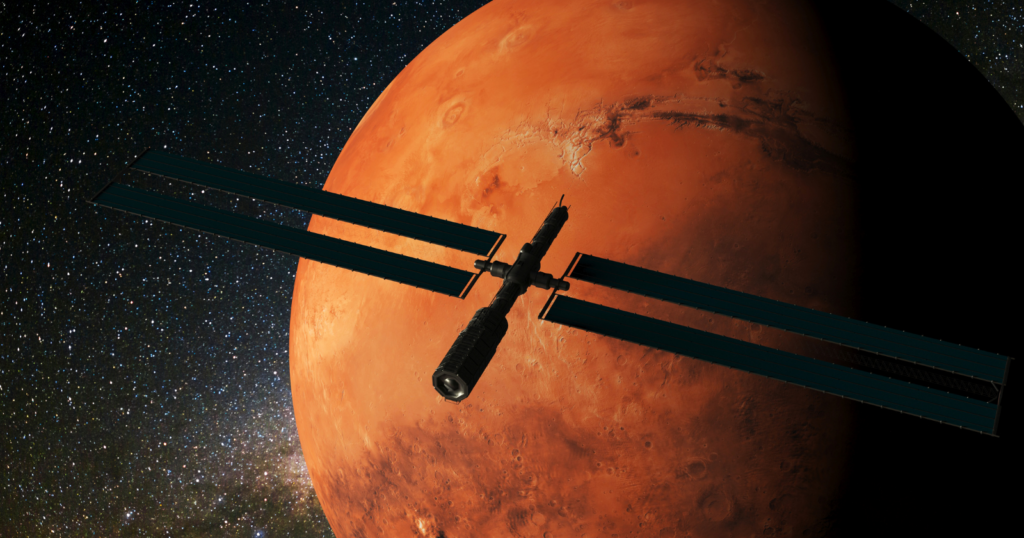
In June 2026, Relativity Space — the rocket company Eric Schmidt took over in 2025, whose one rocket has never reached orbit — said it would privately build and fly a Mars orbiter in 2028, carrying NASA's Aeolus atmospheric instruments and doubling as a communications relay, paid for by a philanthropic backer it has not named

Relativity Space has reached orbit exactly zero times. Its only rocket flew once, in March 2023, climbed cleanly through the hardest part…

What’s up in

Mind & Meaning

The psychology of ambition, isolation, and meaning under extremes — and what frontier life teaches us about being human.

What’s up in

Science

Physics, climate, planetary science, and the research that shapes how we understand the universe.

About Space Daily

Space, science, and the human side of the frontier. Since 1995.

Space Daily is an independent publication covering three connected beats: the space industry, the science behind it, and the psychology of ambition, isolation, and meaning under extremes. Founded in Tokyo in 1995, we’ve built a thirty-year archive of rigorous reporting on the people, missions, and ideas pushing humanity outward — and on the human dynamics shaped by frontier life. The same ambitions, pressures, and patterns of mind that drive humanity to the stars also shape how we live on Earth. We employ modern AI technologies to support our editorial workflows; every published piece is editorially directed and reviewed.

More about us →