I am not a psychologist or sleep specialist. This piece draws on published research but is not a substitute for professional advice. If sleep difficulties are affecting your daily life, a doctor or sleep specialist is the right person to speak to.
It was past midnight a few weeks ago, and I was, by my own loose count, four or five YouTube videos deep into golf.
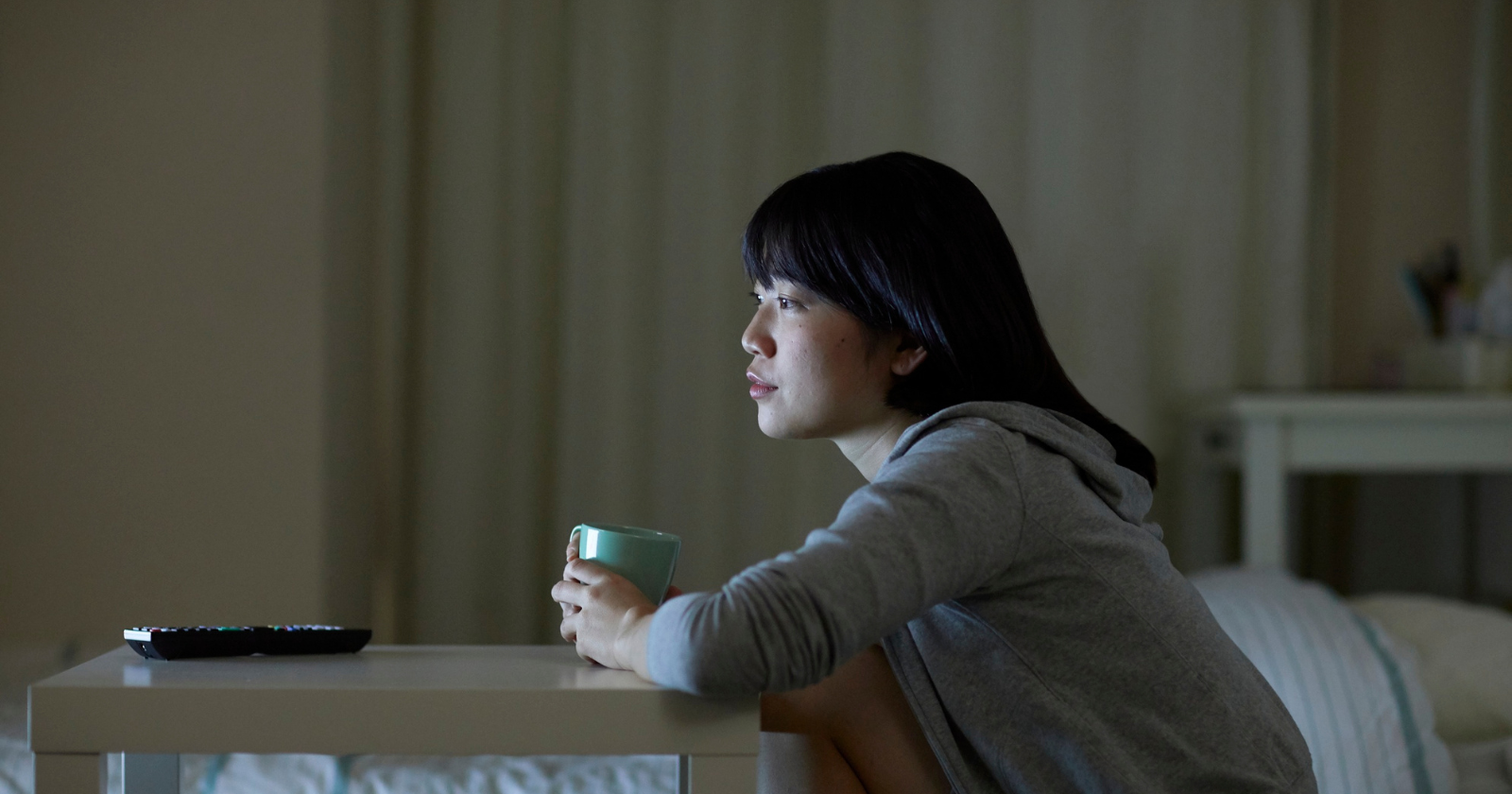
I do not remember which clip I started with. I had drifted from one into another into another for over 2 hours, taking whatever the algorithm queued up next. That day had been a long one — meetings, deadlines, a wash of small obligations that ate hours I had planned to use for other things. I had finally sat down around ten thirty with the idea that I would unwind for fifteen minutes and then go to sleep.
I did not go to sleep at a quarter to eleven. I did not go to sleep at midnight. The next morning I was both annoyed at myself and tired, which is a combination I have come to recognize. The annoyance was the more interesting half. I had not enjoyed the videos in any meaningful way. I could not have told you who I had been watching an hour later. I had not laughed, learned anything, or, to be honest, paid much attention.
And still I had defended that hour and a half against going to bed with something close to determination.
There is a name for what I was doing. In 2014, the Dutch behavioral scientist Floor Kroese and her colleagues at Utrecht University gave the phenomenon a formal definition. Bedtime procrastination, they wrote, is “failing to go to bed at the intended time, while no external circumstances prevent a person from doing so.” No night shift forcing the late hour. No emergency keeping someone awake. Just a person who knows they should be in bed, deciding for reasons they cannot quite articulate that they will not be in bed yet.
Kroese’s framing was the part that stayed with me. She did not call it laziness or a discipline problem. She treated it as a self-regulation issue — the same family of slip-ups that shows up when people skip a workout they meant to do, or eat a snack they had not planned on, but routed at the end of the day, when the resources you would use to override the impulse are at their thinnest. By that hour the version of you who would say “go to sleep” has been on duty since breakfast. The version of you who would say “one more video” needs no convincing.
The newer phrase — revenge bedtime procrastination — adds the part that explains the determination.The term traveled out of China, where — as journalist Lu-Hai Liang reported for BBC WorkLife — it described workers who “don’t have much control over their daytime life” ( in the words of journalist Daphne K Lee) and refuse to sleep early to reclaim some sense of freedom during late-night hours. The night, in that frame, is the only patch of unowned time left, and going to bed feels like surrendering it.
That tracks with what was happening to me. The hours spent were not really about golf. They were a small protest against a day spent on obligations I had not chosen. Going to bed at a sensible hour would have felt like handing over the last unowned thing. So I stayed up, watching strangers explain a sport I play badly, because the act of staying up was the point. The content was almost incidental.
I am not a psychologist, just a writer who reads the research, but what struck me about my own version of this is that the autonomy I was reclaiming was not actually being reclaimed. The next morning was worse, not better. I had ‘reclaimed’ two hours and handed the next day a tired, foggy version of me with less to give it. The two hours I had saved cost me three.
The cleaner move, and I know this in the same way I know any inconvenient thing, is to take the autonomy back during the day, not after it. Half an hour somewhere in the middle of it that is mine. A walk between two work blocks where nothing is being asked of me. A meal not eaten in front of a screen. None of this is what the brain wants at eleven thirty at night, when the only available reclaim is whatever the algorithm is queuing up next. But it is the only version of the trade that does not charge interest the next morning.
The research does not say this is a moral failing. It says it is a self-regulation gap, and the way to close it is structural rather than heroic — fewer decisions at the end of the day, more autonomy during it. If you have been finding yourself awake at midnight more nights than not, with no real reason for being there, it is worth speaking to a doctor or sleep specialist. Sleep that gets consistently undercut carries real health consequences that reach well past tomorrow’s coffee.
I do not always manage the daytime version. I managed it for two days after the night with the golf videos and then I slipped again. What I notice now is the shape of the impulse forming, which I think is the real change. I can see, on a long workday, the small voice deciding in advance that the night will be where I take something back. Sometimes I do something about it earlier. Sometimes I do not, and I find myself watching strangers play a game I will never master.