Most of us know we don’t sleep enough. We know it the way we know we should drink more water or sit less — we’ve heard it, we believe it in the abstract, and then we keep doing what we do. The alarm goes off earlier than it should. The night ran longer than intended. We make the coffee and get on with it. This is so common it barely registers as a choice.
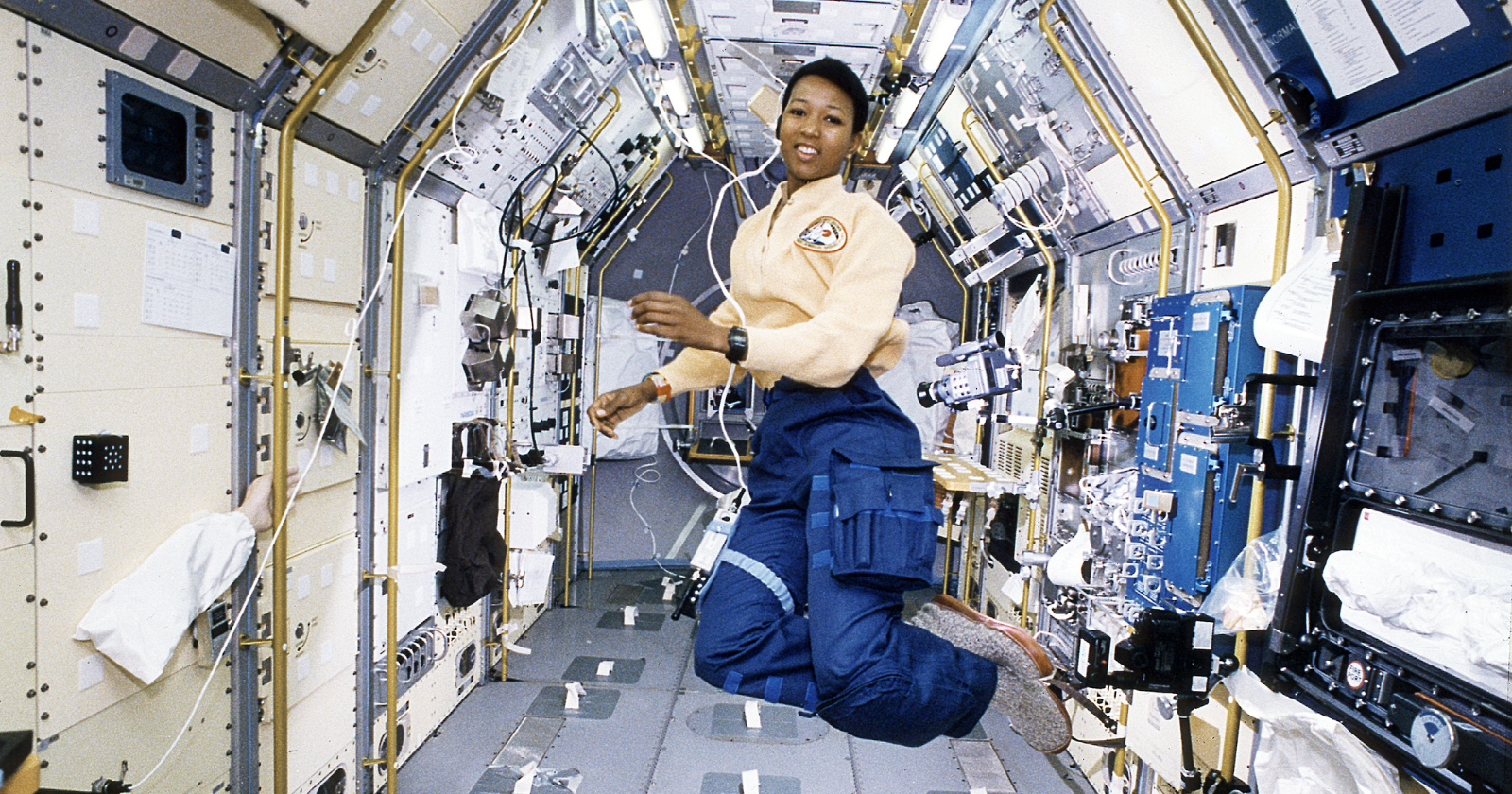
This is why I found it quietly striking to read that as noted by Space Center Houston, “astronauts have 15.5 hours of simulated daylight when the lights in the station are at full brightness. The lights are dimmed for 8.5 hours of sleep time”. Eight and a half hours, scheduled into the mission plan like it’s as non-negotiable as a spacewalk. The people whose jobs involve the most demanding cognitive work imaginable — complex problem-solving in a pressurized metal tube 250 miles above the Earth — are being formally allocated more sleep than most of us get on a good week.
What NASA builds around sleep
The reasoning isn’t complicated, but it’s stated plainly. NASA puts it this way: “Taking steps toward a better night’s sleep, whether on Earth or orbiting almost 250 miles above it, ensures faster response times, sharper cognitive skills, and an overall healthier mind and body.” The mission stakes make sleep non-negotiable. A fatigued astronaut making a slow decision at the wrong moment is a problem the program can’t absorb. So sleep gets protected.
The risks of ignoring it are well documented on NASA’s end. They note that “chronic sleep deprivation and circadian desynchronization are associated with health complications such as metabolic disorders, cardiovascular diseases, gastrointestinal diseases and some types of cancers.” That’s a significant list of consequences for something that most of us treat as optional when deadlines arrive or the TV stays on too long.
What most of us earth-dwellers do
A large survey by Amerisleep found that 86% of Americans use their phone before bed, averaging 38 minutes of screen time — rising to 50 minutes for Gen Z. Across a year, that works out to roughly 231 hours of pre-sleep phone use. More than 28% of Americans reported using their phone past 2am on nights before a workday. One in six said they’d fallen asleep on the job as a result of poor sleep.
The average sleep time for Americans in 2026? 7.1 hours.
I’m not holding myself apart from this. I’ve been that person — finishing something on a screen well past when I should have stopped, telling myself I’ll just check one more thing, then looking at the time and doing the quiet arithmetic of how many hours remain before morning. The math always looks worse than I expected. And the next day always feels like exactly what it is: a day operating on less than the brain and body needed.
What makes this interesting as a cultural moment is how normalized it is. Sleeping less is often coded — subtly or not — as a form of productivity. The person who’s up at five, who runs on six hours, who gets things done while others sleep: these figures get quietly admired. Sleep is treated as the first thing to compress when life gets full. The message most of us have absorbed is that needing sleep is a concession. NASA seems to have reached a different conclusion.
What this says about how we treat ourselves
I’m not a doctor, and I’m not suggesting everyone needs a clinical sleep overhaul. But I think there’s something worth sitting with in the contrast. The program with arguably the highest performance requirements on Earth doesn’t tell its people to push through. It schedules the sleep and protects it. The logic being: you cannot think well, respond quickly, or function safely if you’re running a persistent deficit. That’s not a wellness philosophy — it’s an operational reality.
The civilian version is lower stakes, obviously. Nobody is relying on my reaction time to save a spacecraft. But my thinking still matters to me. My mood matters to the people around me. My ability to make decent decisions, have real conversations, and do work I’m proud of — all of that runs on something, and that something includes how much I slept.
The 8.5-hour figure isn’t a magic number. It’s what NASA’s research and planning process settled on as optimal for mission performance. Your number may be different. The point isn’t the specific figure — it’s the premise behind it. That sleep is not a luxury you fit in around the real schedule. That it is the real schedule. That protecting it isn’t laziness; it’s how you show up for everything else.