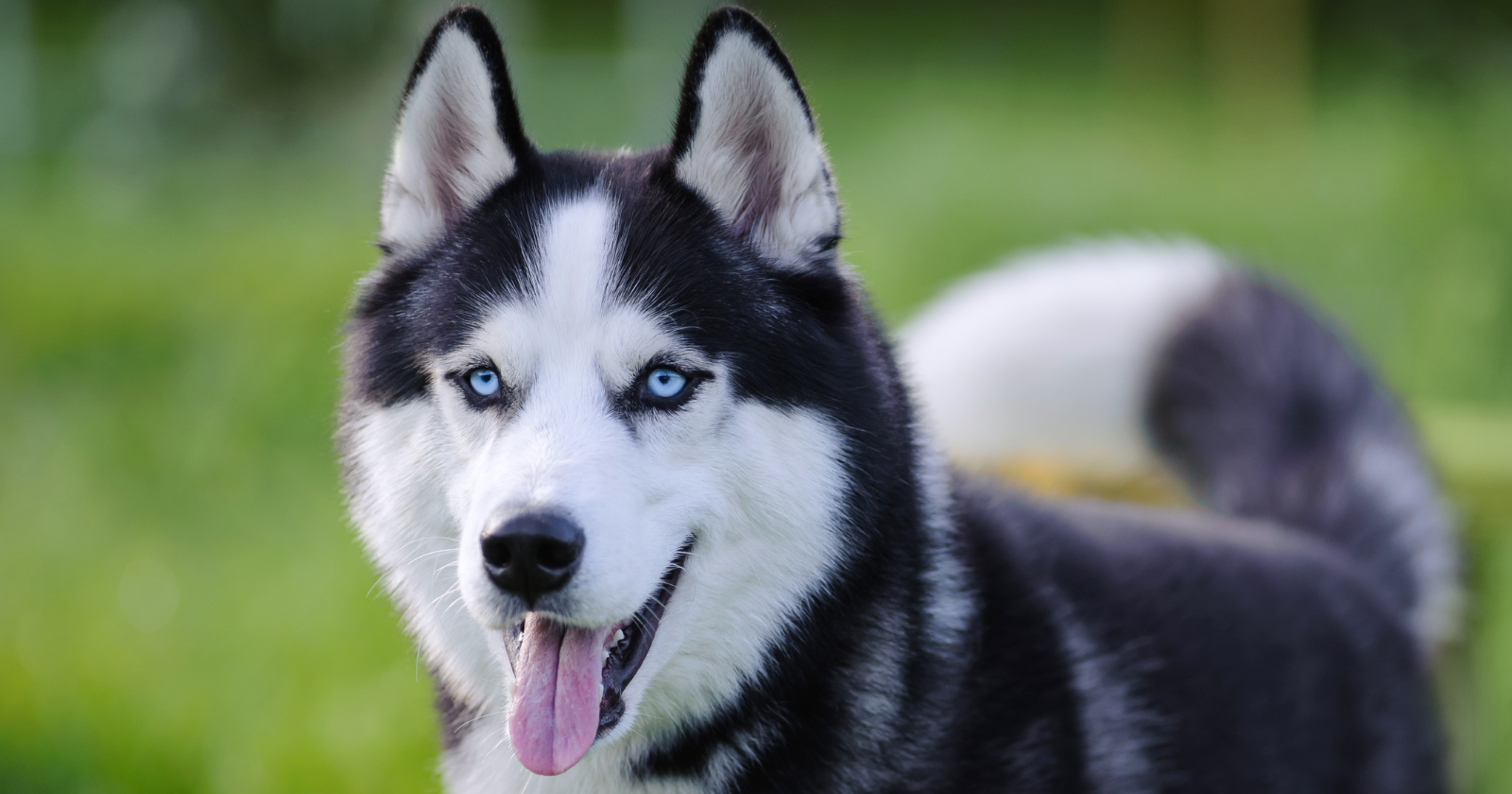
On 22 February 1994, an aircraft flew fourteen huskies out of Rothera Research Station on Adelaide Island, off the western coast of the Antarctic Peninsula. The dogs were the last surviving members of a working population that had been on the Antarctic continent, in one form or another, since 1945. They had spent the previous week completing what turned out to be the final sledge journey of the entire British Antarctic Survey programme, a commemorative crossing of Alexander Island that covered an area of Antarctic wilderness roughly the size of Denmark. Two men accompanied them. When the sledge crossed the last stretch of ice back toward base and the dogs were loaded into the aircraft, the era of working sledge dogs on the Antarctic continent ended after nearly a century of accumulated service.
What ended it was the Protocol on Environmental Protection to the Antarctic Treaty, signed in Madrid in 1991 and often called the Madrid Protocol. The Protocol was, on the direct reading of its text, an environmental agreement designed to protect Antarctic ecosystems from any introduced species that might disrupt the native wildlife. The relevant clause was blunt. “Dogs shall not be introduced onto land or ice shelves and dogs currently in those areas shall be removed by April 1, 1994.” The wording admitted no exceptions. Every research nation with a working dog programme had until that date to comply. And what the fourteen dogs at Rothera represented, by the winter of 1993-94, was the last remaining sledge dog population anywhere on the continent that had not yet been withdrawn.
How the dogs got there in the first place
According to the British Antarctic Survey’s own institutional history of the sledge dog programme, published as part of the coverage of the 2009 unveiling of a bronze husky monument at the BAS Cambridge offices sculpted by David Cemmick, the story began during the Second World War. In 1945, a secret British wartime operation code-named Tabarin, established to assert British territorial claims in the South Atlantic against Argentine and Chilean interests, imported the first sledge dogs to what would eventually become the BAS network of Antarctic research stations. The dogs were huskies from Labrador in eastern Canada, chosen for their proven capacity to work in extreme cold. Twenty-five of them arrived aboard the SS Eagle at the British base at Hope Bay on the northern tip of the Antarctic Peninsula. And the operational base of a British sledge dog programme, which would eventually spread across half a dozen research stations along the peninsula and its offshore islands, was established.
The Labrador dogs bred successfully in Antarctica. Puppies born on the ice grew up acclimated to the conditions, and by the late 1940s the working population was expanding through natural reproduction rather than continued imports. The problem, however, was inbreeding. A closed founder population of twenty-five dogs, no matter how carefully managed, would begin to accumulate genetic problems within a few generations. So in 1954, and again in 1961, additional huskies were brought to Antarctica from Greenland to widen the gene pool. The Greenland dogs were larger and heavier than the Labrador stock, and their arrival helped stabilise the population into a genuine working sledge dog line that continued to breed successfully across the BAS bases for the next four decades.
What the dogs actually did during those decades is more or less what sledge dogs everywhere have historically done. They pulled sledges loaded with equipment, food, tents, scientific instruments, fuel, and the men themselves across terrain that no other form of transport could reach reliably. Before the arrival of snowmobiles and lightweight polar aircraft in the late 1960s, the sledge dog team was, on the working experience of every BAS base commander of the period, the only practical way to move people and supplies across the vast interior of the Antarctic Peninsula. Individual working dogs could pull loads of ninety kilograms across snow for six or eight hours a day, at speeds of eight to twelve kilometres per hour, on rations of seal blubber, dried fish, and pemmican. A typical field trip might cover a thousand kilometres in a season. A working dog might cover several thousand kilometres over a career.
If you enjoy learning about our planet, check out this video we created on the impact of AI on our water resources:
What replaced them, and why the last ones had to leave
According to the American publication Atlas Obscura’s detailed 2023 article by Andrew Avery, drawing on original archival material from the British Antarctic Survey’s dog service records still preserved at the BAS Cambridge archives, the BAS kept extensive employment records on every dog that worked in Antarctica across the entire 1945-to-1994 period. The records included the dog’s name, service number, sex, date of birth, parentage, base assignments, mileage totals, and, most poignantly, brief character assessments written by the humans who worked with them. A dog called Guinness, whose service card is preserved in the archive, was described in the early 1960s as “the ideal dog, good natured, strong, and a short, even coat,” and covered 4,934 miles of sledging between 1960 and 1964. A dog called Joseph was described, less generously, as “inclined to be distracted by seals,” and was destroyed in February 1961 with the notation “useless” written on the final entry of his card.
The end of the working dog era began well before the Madrid Protocol. By the mid-1960s, snowmobiles had become reliable enough for routine field use, and by the mid-1970s they had become significantly cheaper, faster, and more efficient than dogs for most transport applications. BAS effectively stopped using its dog teams for scientific fieldwork around 1975. In that same year, following a decision that many of the base staff who had worked closely with the dogs objected to strongly, the majority of the BAS working population was culled, on the grounds that the dogs had never been domesticated and could not realistically be transported to Britain to live out their years. A smaller population was retained at Rothera Research Station for the next two decades, primarily for morale purposes and for the occasional recreational sledging trip. Those retained dogs, by the early 1990s, were the ancestors of the fourteen dogs that flew out of Rothera in February 1994.
The Madrid Protocol’s ban on non-native species was justified, in the diplomatic language of the negotiating text, on two grounds. First, the risk of disease transmission from dogs to native Antarctic wildlife, particularly the possibility of canine distemper spreading to the continent’s seal populations, which had never developed any resistance to the virus. Second, the risk of dogs escaping or being lost from expeditions and preying on wildlife directly. Both risks had, at various points across the century of Antarctic dog operations, actually materialised. Both were considered sufficient reason, in the diplomatic negotiations leading up to the Protocol, to end the practice entirely.
The fourteen Rothera dogs, once they had been flown to the Falkland Islands and spent a period acclimatising to warmer temperatures, were transported by Royal Air Force aircraft to the United Kingdom, where they underwent quarantine and became briefly famous in the British press as the last Antarctic dogs. From Britain, they were flown to the Canadian Arctic and returned to communities of Inuit dog handlers in northern Canada, where their working lineage originated eighty years earlier via Labrador. The last two of them died of natural causes in 2001. The BAS bronze statue outside the Scott Polar Research Institute in Cambridge lists all of their names, along with the names of the hundreds of dogs that preceded them, on a plaque bearing the inscription “Erected by their companions and friends 2009.”
What remains of the century of working sledge dogs in Antarctica, at ground level on the ice, is roughly nothing. The dogs are gone. The wooden dog spans where they were tethered between sledging trips have long since been removed from the bases. The frozen carcasses of dogs that died during expeditions and were buried in the ice will presumably continue to work their way to the surface over the coming centuries as the ice around them shifts, but there is no living genetic descendant of any Antarctic sledge dog anywhere on the continent today, and the Madrid Protocol ensures there won’t be another one. The only dogs left in Antarctica are the ones the ice itself has kept.