

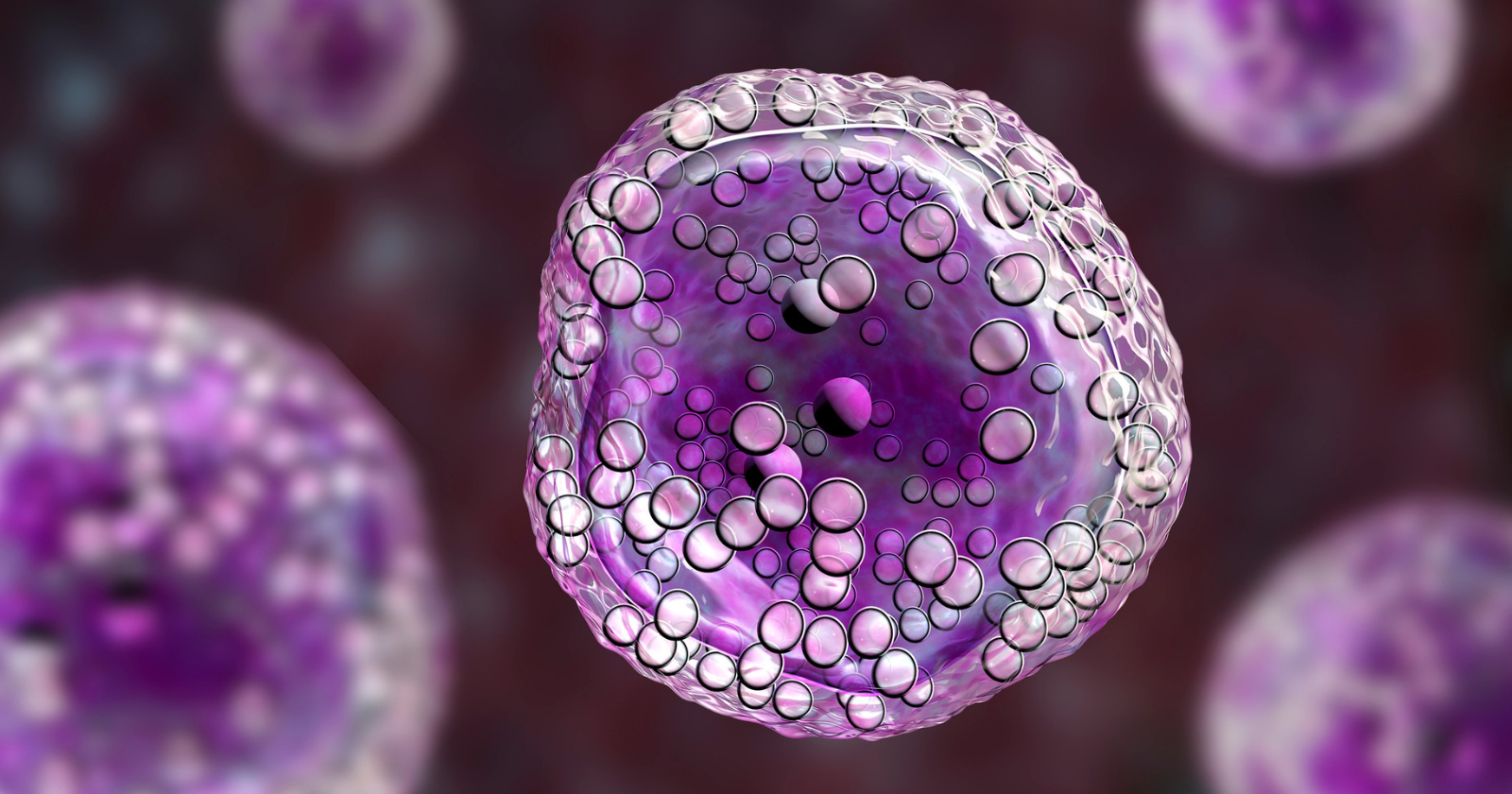
Most immune cells fight infection by staying alive.
They engulf pathogens, digest them internally, release specific chemical signals, and repeat the process for hours or days until the threat is contained. It is a slow, careful, sustained biological effort — the sort of thing an immune system is generally imagined to be doing.
There is one immune cell that does none of this. When it encounters a threat, it explodes.
The cell in question is a neutrophil, the most abundant white blood cell in human blood. And what it does when it detonates — a specific programmed process called NETosis — was not properly understood by science until 2004, remained controversial for another decade, and is now recognised as one of the most important and destructive weapons the innate immune system deploys.
What the cell actually does
When a neutrophil encounters certain classes of bacterial or fungal infection, particularly ones it cannot easily engulf, it can commit to a specific self-destructive response.
Enzymes inside the cell begin to unwind its DNA. Its nuclear envelope breaks down. The chromatin, no longer packed into the tight coils that normally hold it inside the nucleus, expands and mixes with the antimicrobial proteins stored in the cell’s granules. The mixed material — DNA studded with enzymes — then bursts through the cell membrane as the neutrophil ruptures completely.
What is released is a sticky web of DNA fibres coated in bactericidal proteins. Scientists call these structures neutrophil extracellular traps, or NETs. In the immediate vicinity of the ruptured cell, the web catches nearby pathogens, immobilises them, and kills them through direct chemical attack from the enzymes bound to the DNA strands.
The whole process, when it happens fast, can take as little as five minutes from initial activation to complete rupture. In its slower forms — the classical pathway called suicidal NETosis — it takes two to four hours. Either way, the neutrophil does not survive.
Where the discovery came from
The specific mechanism was first properly characterised in a 2004 paper in Science by Volker Brinkmann, Arturo Zychlinsky, and their colleagues at the Max Planck Institute for Infection Biology in Berlin.
Their initial work identified NETs as web-like structures released by neutrophils that could trap and kill bacteria. The claim was initially controversial. Cell death as an immune weapon did not fit the standard picture of how neutrophils functioned. Most immunologists at the time assumed neutrophils fought infection through phagocytosis and chemical secretion, both of which left the cell alive. The idea that they might be deliberately blowing themselves up as a defence mechanism required a substantial rethinking of what an immune response actually looked like from the cellular level.
Over the following two decades, the mechanism has been repeatedly confirmed. It has been observed in response to bacteria, fungi, parasites, and certain viruses. It has been documented across mammalian species. Similar processes have since been identified in other immune cell types — including mast cells and eosinophils — suggesting that programmed explosive cell death is a broader immune strategy than initially recognised.
Three distinct types of NETosis are now formally recognised in the literature: suicidal NETosis (the classical, slower pathway that destroys the cell entirely), vital NETosis (a faster pathway in which the neutrophil ejects its DNA through vesicular transport and can briefly survive), and mitochondrial NETosis (which releases mitochondrial rather than nuclear DNA).
Each has slightly different triggers, different molecular pathways, and different consequences. But all share the same basic feature: a specific immune cell converting its own biological material into a chemical weapon that then destroys itself in the process of deploying it.
What is left after the explosion
The specific aftermath of NETosis is worth being clear about, because the popular version of the story often overstates how cleanly the process resolves.
The immediate structure — the DNA web itself — does not persist indefinitely. Enzymes in the body called DNases naturally break down free DNA, and NET fragments are progressively degraded and cleared by other immune cells over minutes to hours. The neutrophil itself, in classical suicidal NETosis, is gone entirely. In this specific sense, the physical evidence of the event does substantially disappear from the local tissue relatively quickly.
But “nothing left to show it was ever there” is not the whole story. The chemical signals released during NETosis — inflammatory cytokines, damage-associated molecular patterns, oxidised proteins — persist in the tissue long after the DNA structure itself is gone. Downstream immune cells respond to these signals. Local inflammation continues. In sustained infections, waves of neutrophils undergo NETosis in sequence, meaning that even though each individual explosion resolves quickly, the cumulative effect on the tissue is substantial.
In healthy immune responses, this is the intended outcome. The NETosis event kills local pathogens, the chemical signals coordinate the broader immune response, and the physical debris clears without lasting damage.
In dysregulated cases, it is much less benign.
When the mechanism turns on the body
The specific problem with an immune weapon this powerful is that its consequences do not stop at pathogens.
NETs contain enzymes and reactive proteins that can damage host tissue as well as microbes. When NETosis happens in the wrong place, or at the wrong intensity, or fails to clear properly, the collateral damage becomes substantial. Excessive NET formation has been implicated in a specific set of conditions that immunologists now understand primarily as diseases of dysregulated NETosis.
Systemic lupus erythematosus, in which the body attacks its own tissues, involves excessive NETosis and impaired clearance of the resulting debris. Small vessel vasculitis, an inflammation of blood vessels, similarly involves excessive NET deposition in vascular walls. Sepsis — the systemic organ failure that follows severe infections — involves NET formation at levels the body cannot regulate, contributing to the specific pattern of tissue damage that makes sepsis lethal. Severe COVID-19 was shown, during the pandemic, to involve substantial dysregulated NETosis contributing to lung damage and clotting. Recent research is now investigating NETs’ role in cancer metastasis, in which excessive NET formation appears to help tumour cells travel through the bloodstream and establish secondary sites.
This is why NETosis has been called a “double-edged sword” in the immunology literature. The same mechanism that fights infection efficiently in acute cases becomes a driver of tissue damage in chronic ones. Managing this trade-off — getting the benefits of NET-mediated pathogen killing without the collateral damage of excessive NET formation — is now one of the specific therapeutic targets of substantial ongoing research.
What the cell has quietly been doing
For most of the history of immunology, this specific process was invisible.
Neutrophils were understood as short-lived cells that helped with acute inflammation and died relatively quickly. They circulate in the blood for approximately four hours. They are constantly being produced from bone marrow to replace those that die. In the standard picture, they were foot soldiers of the immune system — numerous, disposable, and not particularly interesting.
The 2004 discovery of NETosis, and the following two decades of research on it, transformed that picture. Neutrophils turn out to be capable of a specific and dramatic form of cellular self-sacrifice. They can, when the situation calls for it, convert their own genetic material into a weapon, deploy it against invading organisms, and destroy themselves in the process. They do this constantly, in every human body currently alive, in response to threats most of us are never consciously aware of.
The immune system, on close examination, contains more theatre than the textbooks used to suggest. Some of its most important defences involve the specific willingness of individual cells to commit programmed suicide in service of the whole. NETosis is one of the cleanest examples. It is happening, in various tissues and organs, right now, in the body of anyone reading this — a small ongoing series of explosions too quiet to notice, keeping the systems that everything else depends on quietly functional.
