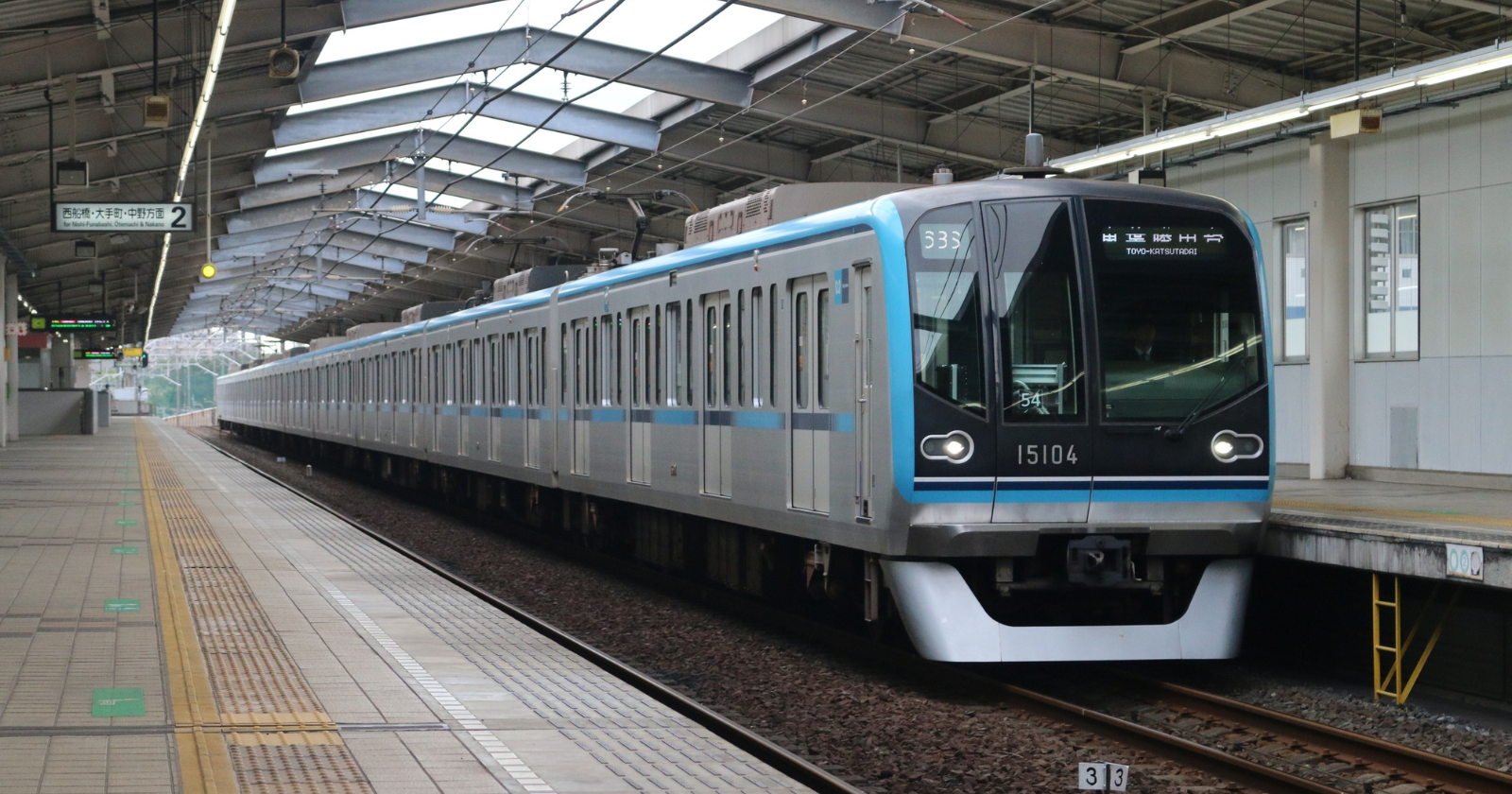
Picture a commuter platform just north of Tokyo. The doors slide shut on a northbound train, and no one is reported to have been left behind. The train pulls away, right on schedule to the minute. But not to the second. And that turns out to matter.
On the morning of 14 November 2017, a train on the Tsukuba Express line left Minami-Nagareyama Station about twenty seconds too soon. Before the day was out, the operator posted an apology on its website.
There were no reports that anyone had missed the train. Nobody had written in to complain. The company said sorry anyway.
The twenty-second apology, and the mistake behind it
The numbers are the whole story, because of how small they are. The train arrived on time and was set to leave at 9:44:40. Instead it pulled out at 9:44:20, twenty seconds early. The next northbound train was only four minutes behind, so even someone left standing would have lost almost no time.
This wasn’t a company congratulating itself for catching a stray twenty seconds. It was owning up to a small mistake by its own staff. The operator, the Metropolitan Intercity Railway Company, noted: “We deeply apologize for the severe inconvenience imposed upon our customers.” The crew had set off 20 seconds early without properly checking the clock.
Why apologise when nobody complained
So what does a gesture like this actually protect? Not the passengers on that train. They got where they were going.
My read is that the apology was aimed at the promise, not the people. An operating schedule is a kind of contract. When it says 9:44:40, it means 9:44:40, and every rider quietly builds plans on top of that precision. The moment a train can leave twenty seconds early without comment, the whole timetable becomes a rough guess. “Rough guess” is exactly what this system works so hard not to be. The apology is less about repairing harm and more about refusing to let the standard slip.
That standard is genuinely strict. In fiscal 2016, on the Tōkaidō Shinkansen, the line between Tokyo and Osaka, trains ran with an average delay of just 24 seconds per train, while around 130,000 services ran that year.
A researcher’s review of Shinkansen punctuality says that punctuality depends on hardware, software and what the author calls “humanware”, with particular attention to crews and dispatchers. When average lateness is measured in seconds, twenty seconds early is not a rounding error. It’s a break in the thing that makes those numbers possible.
When the seconds actually cost someone
The 2017 case is charming partly because it was harmless. A sharper version came six months later, and the two are worth keeping apart.
On 11 May 2018, a West Japan Railway train left Notogawa Station on the Biwako Line early, pulling away at 7:11:35, twenty-five seconds ahead of its scheduled 7:12 departure. This time it wasn’t victimless. One passenger was unable to board and reported the early departure to a station attendant.
JR West apologised for the inconvenience and said the conductor had mistaken the departure time. The company said it would reinforce staff instruction and training to prevent a recurrence. That’s a heavy response for twenty-five seconds. But the two cases rhyme. In both, a crew let a train go before the clock said it could, and in both the company treated that as something a rider is owed an answer for, whether or not a rider was there to be wronged.
What twenty seconds reveals
What I keep coming back to is that the 2017 apology wasn’t really a transaction. Nobody was made whole, because nobody had been reported left short. The gesture only makes sense if the reliability itself is the thing with value: a shared expectation the operator keeps even when no one is there to enforce it.
You can call that excessive, and plenty of people did when the story spread around the world. Twenty seconds, an apology, no harm done. I find it hard to be cynical about it, though. A company caught its own small failure against a standard almost nobody else would have measured, and said so out loud rather than letting it pass. To me, the apology wasn’t just to the passengers on that train. It was to the promise the timetable makes to everyone who reads it.