

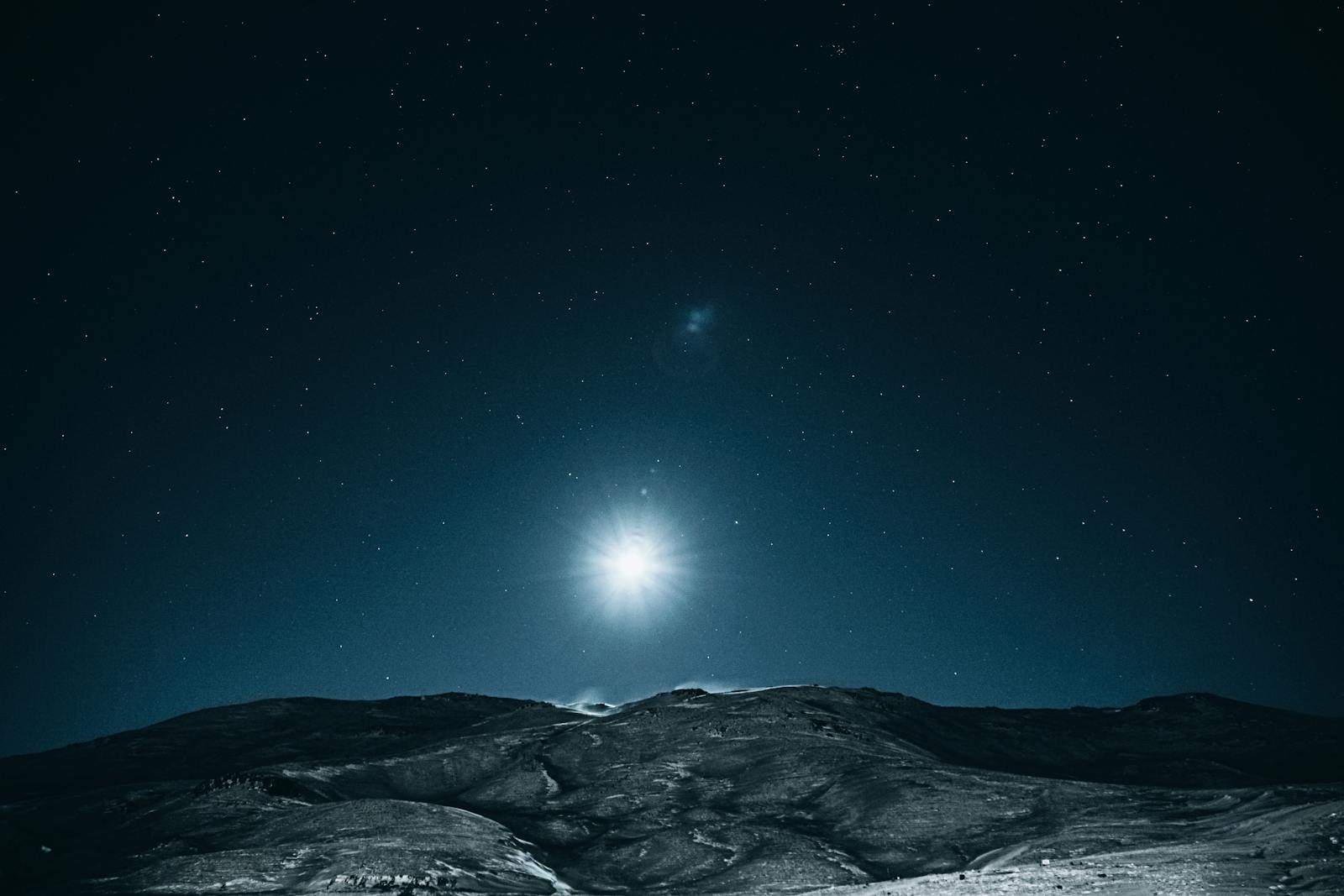
The Eta Aquarid meteor shower, born from the dust of Halley’s Comet, peaks before dawn on May 5 and 6, but a bright waning gibbous moon is set to wash out many of the fainter streaks this year. Skywatchers hoping for the shower’s typical rate of up to 50 meteors per hour under ideal conditions will likely see a fraction of that count, with only the brightest fireballs cutting through the lunar glare.
The shower is one of two annual encounters Earth has with debris shed by Halley’s Comet, the other being October’s Orionids. Halley last passed through the inner solar system in 1986 and is not expected to return until 2061. Yet the comet remains a constant presence in the night sky through the dust it leaves along its orbit — and this week, the challenge for observers is salvaging a viewing experience from a sky tilted against them.
A Shower Defined by Speed
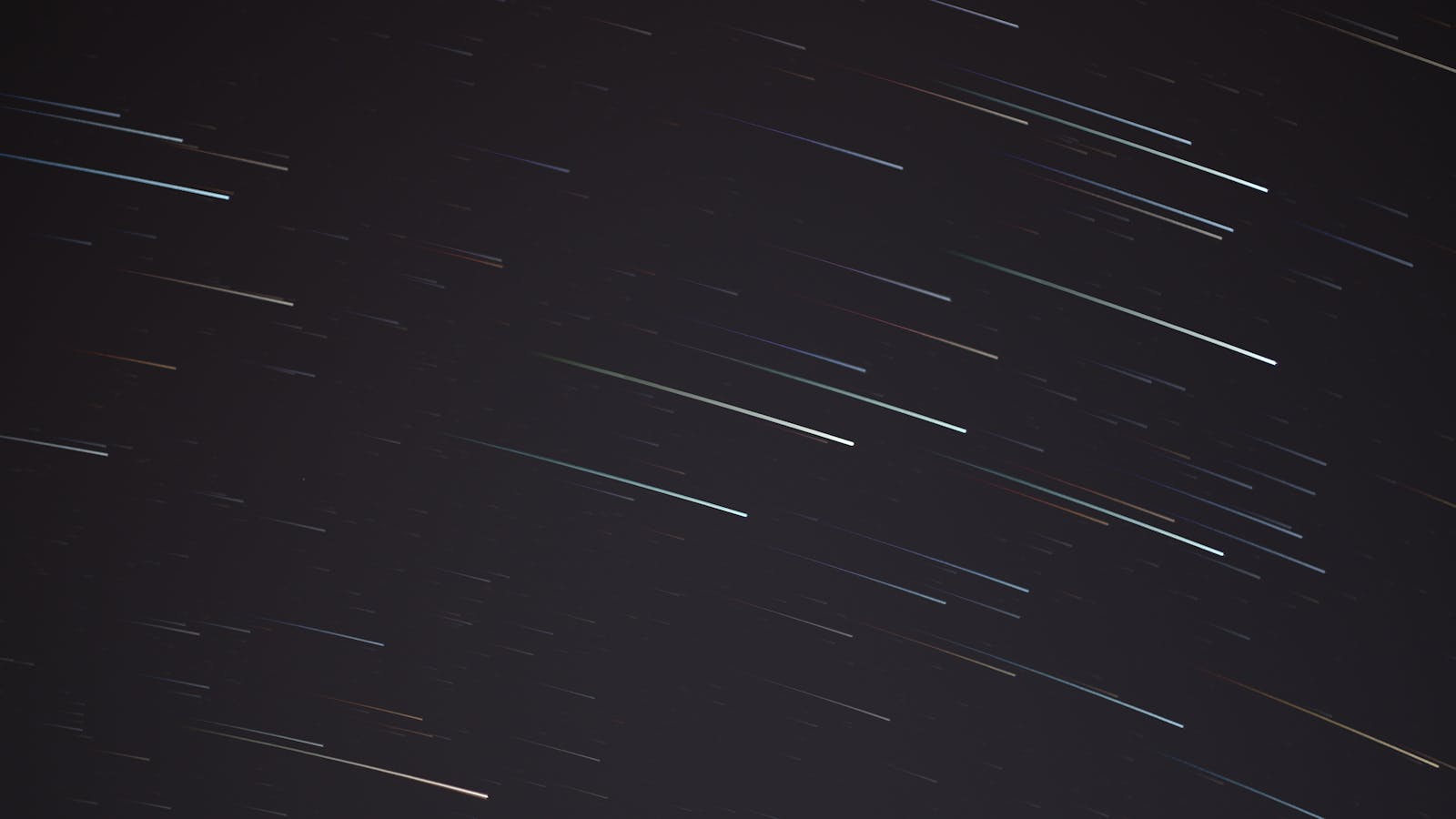
Eta Aquarid meteors strike Earth’s atmosphere at roughly 40 miles per second, fast enough to leave glowing ionization trails that linger briefly after the initial flash. That speed is what gives the shower its character — and what gives observers a fighting chance against the moon. Slower meteor streams produce sedate streaks easily lost in ambient light; the Eta Aquarids snap across the sky, and their fastest, brightest members can punch through lunar glare.
The radiant — the point from which the meteors appear to emanate — sits in the constellation Aquarius, which gives the shower its name. From the Northern Hemisphere, that radiant climbs only modestly above the horizon before dawn, which is why observers north of the equator typically see fewer meteors than those watching from the Southern Hemisphere or low northern latitudes.
Why the Moon Matters This Year
Meteor showers are a contest between two light sources: the brief flash of vaporizing comet dust and whatever ambient illumination is already in the sky. When the moon is bright and high during peak hours, the contest tilts heavily toward the moon.
This year, the moon’s phase during the May 5-6 peak falls just past full, meaning a luminous disk will be above the horizon during the prime predawn viewing window. Fainter meteors will simply disappear into the background brightness. Observers should expect to see the brighter end of the population — the fireballs and persistent trains — while the dimmer streaks go uncounted.
The contrast with this year’s earlier Lyrid shower is sharp. The Lyrids peaked under a 27%-lit waxing moon that set around 2 a.m. local time, leaving genuinely dark skies for the radiant’s highest hours. The Eta Aquarids will not get that gift.
How to Watch Anyway
The peak is best observed in the hours before dawn, looking generally toward the eastern sky. NASA’s guidance is straightforward: find a dark site, let your eyes adjust for 20 to 30 minutes, and put the phone away. Even a brief glance at a screen resets dark adaptation — a costly mistake when every photon counts.
Positioning matters even more under bright moonlight. Put the moon behind you, or behind a building, tree, or hillside that blocks its disk from your direct line of sight. Then look roughly 40 degrees away from the radiant — about the width of four clenched fists held at arm’s length — which yields the longest, most photogenic streaks. Staring directly at the radiant produces meteors with very short trains, since they appear to be coming straight at the observer.
Binoculars are counterproductive. They narrow the field of view to a sliver of sky, and meteors are a wide-field phenomenon. A reclining chair, a blanket, and an unobstructed horizon do more than any optics.
The single best tactic this year is timing. Watch for the brief window after the moon dips lower in the west and before astronomical twilight begins to brighten the east. That gap may be only 30 to 60 minutes depending on latitude, but it is when the Eta Aquarids will look most like themselves. Observers willing to scout dark-sky locations away from urban light domes will see the difference clearly.
Managing Expectations
Meteor shower forecasts are inherently probabilistic. The published rates assume ideal conditions: dark skies, radiant near the zenith, no moon. Real observers rarely get all three at once. A shower advertised at 50 meteors per hour might deliver 10 to 15 under typical suburban conditions even without a bright moon.
This year’s lunar interference compresses that further. Observers who go in expecting a handful of bright meteors per hour, rather than a continuous show, will come away satisfied. Those expecting fireworks may be disappointed.
So set the alarm for an hour before dawn, find a horizon that hides the moon, and watch for the streaks fast enough and bright enough to win the contest. The Eta Aquarids will not put on their best performance this year — but a single fireball trailing green ionization across a moonlit sky is worth the lost sleep. The dust of a comet last seen in 1986, burning up overhead before sunrise: that is the show, however muted, and it will not wait.
Photo by Emir Anık on Pexels
