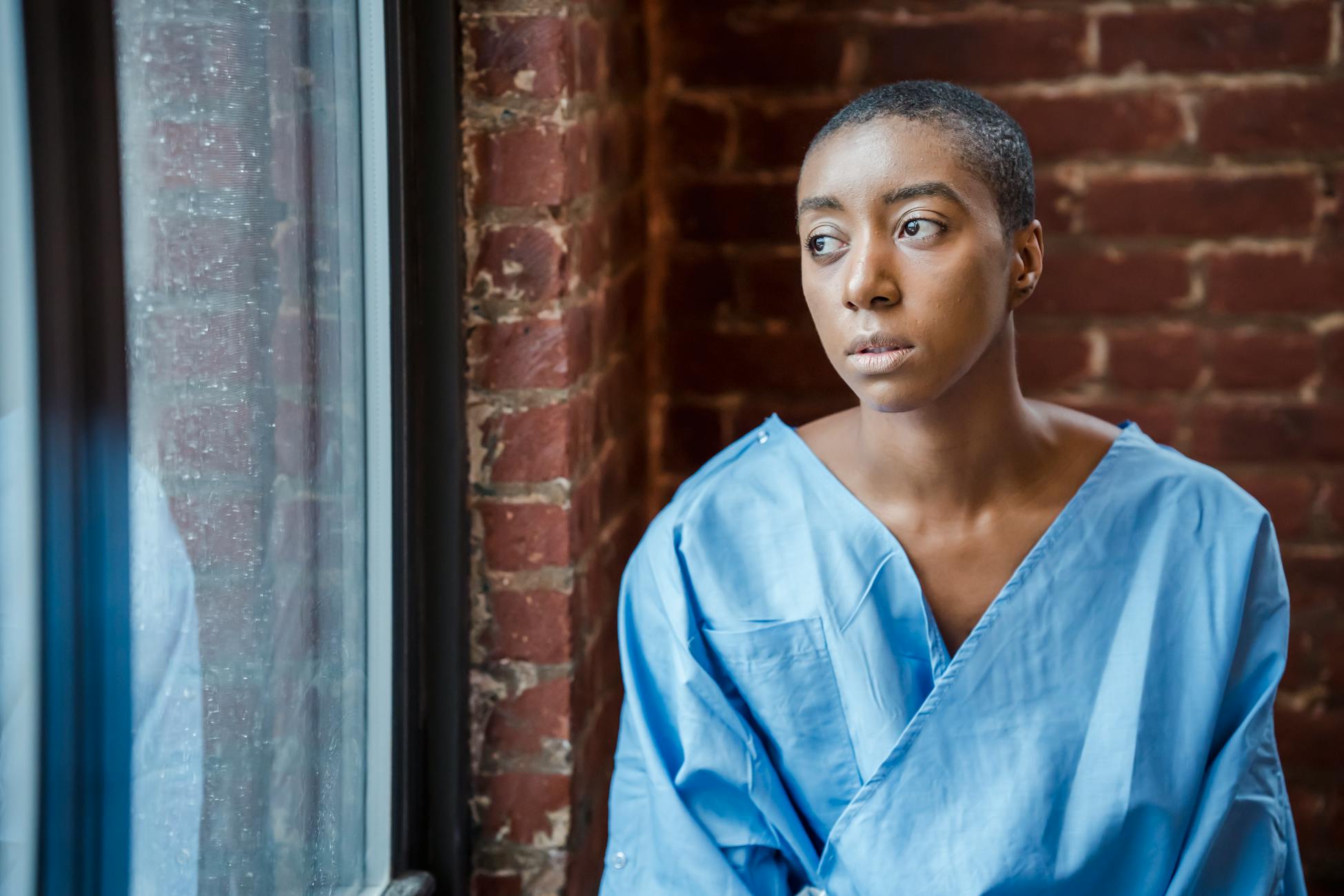
The person who tells you they prefer their own company isn’t always making a personality disclosure. Sometimes they’re describing a calculation. They’ve sat in enough rooms where the conversation cost more than it returned, where being present meant being on guard, where the price of company was a slow leak of self, and they’ve decided the math is better at home. That isn’t introversion. That’s a verdict.
The pop-psychology shorthand keeps collapsing these into the same category. Quiet person, prefers solitude, must be an introvert. But introversion, properly understood, is about where your battery recharges. It’s neurological, stable, and present from early life. What I’m describing is something else: a learned preference, accumulated over years of social encounters that left someone more depleted than they would have been alone.
The introvert label has become a hiding place
Most people believe wanting to be alone is a fixed temperament. You either are or you aren’t. That framing is convenient because it lets everyone off the hook. The person retreating doesn’t have to explain why. The people they’re retreating from don’t have to ask whether they had something to do with it.
But the actual psychology is messier. Healthline’s breakdown of asocial, antisocial, and introverted behaviour makes a useful distinction: introverts gain energy from their inner world, while asocial behaviour is a preference for solitude that can develop for many reasons, including environments where socialising became consistently unrewarding. The categories aren’t interchangeable, even though the outward behaviour can look identical.
I’ve watched friends in their forties, people who were extroverted in their twenties, who used to organise everything, who once seemed to need a crowd around them, quietly become unrecognisable to their old social circles. They didn’t change personality. They changed assessment. They got tired of trading their evening for an interaction that left them flatter than the silence would have.
Loneliness with company is a specific kind of injury
The cruellest version of loneliness isn’t the empty room. It’s the full one where nobody is actually with you. Sitting at a dinner where you can predict every joke, performing interest in stories you’ve heard four times, watching someone you love listen past you to whatever is on their phone. That kind of company doesn’t reduce loneliness. It compounds it, because it forecloses the alibi. You came. You showed up. And you’re still alone.
The distinction between physical aloneness and the felt experience of disconnection is increasingly recognised in how we understand isolation. A study using Australian Covid-19 lockdown data found that physical isolation didn’t necessarily increase loneliness, because loneliness is a subjective state about the quality of connection, not a head-count of bodies in the room. People can be surrounded and starving. They can also be alone and fine.
Once you’ve felt the second condition, you stop accepting the first as a substitute. That’s the shift the title is gesturing at. Not a withdrawal from people. A recalibration of what counts as company.
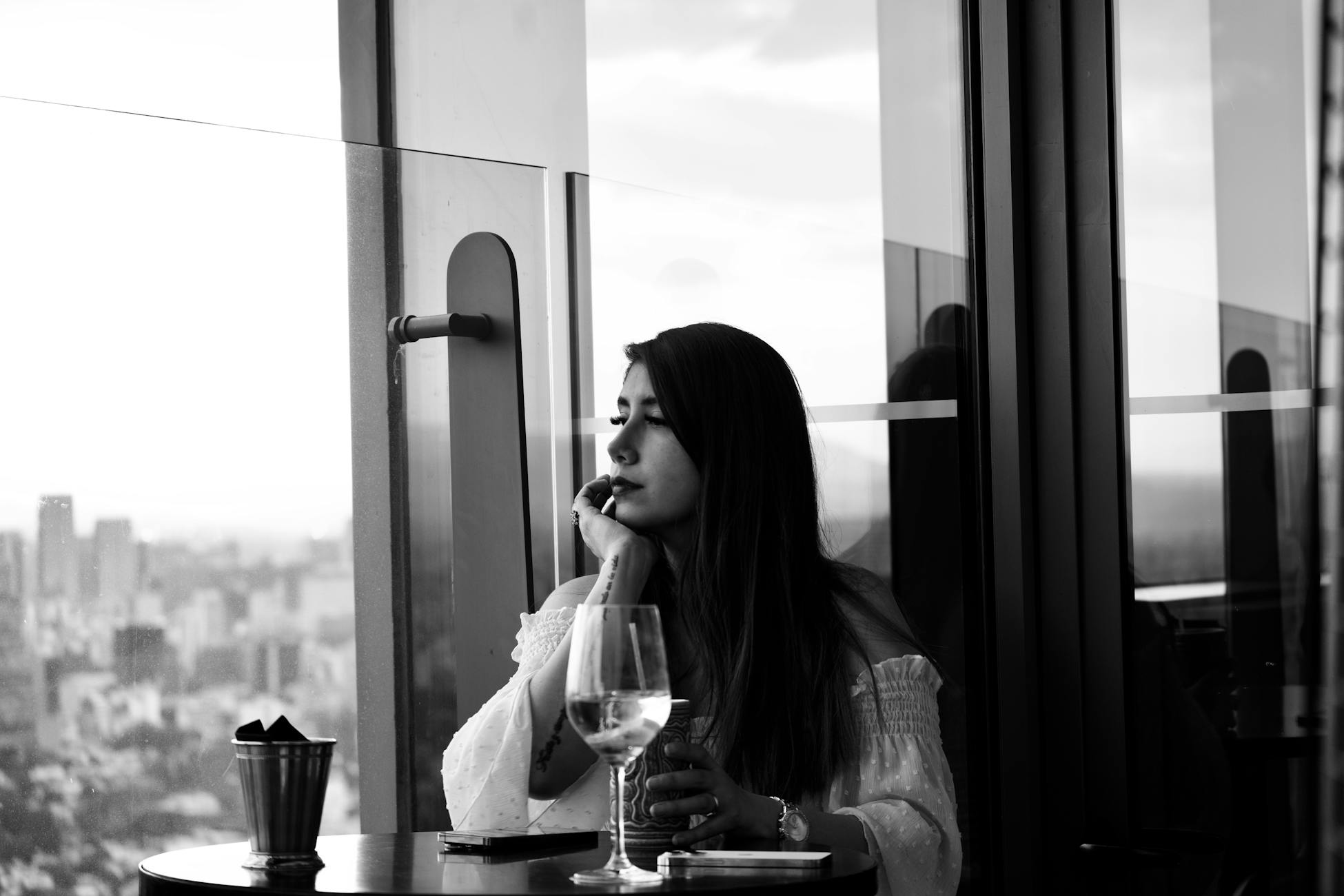
What gets coded as antisocial is often just discernment
There’s a moralising tone people take when someone declines invitations. They get described as cold, withdrawn, difficult. Friends start saying things like “they’ve changed” in worried voices. The implicit assumption is that sociability is the default healthy state and any deviation is a problem to be solved.
But sociability isn’t a virtue in itself. It’s a behaviour, and like any behaviour it can be productive or corrosive depending on what it’s actually delivering. Psychology Today has noted that extroversion-introversion is the most stereotyped trait in personality psychology, with extroversion routinely framed as the healthier option despite no strong evidence supporting that bias. The cultural pressure leans one way. The actual data does not.
So when someone starts opting out of low-quality interactions, what looks like withdrawal is often editing. They’re not disappearing. They’re refusing to keep paying the same admission fee for diminishing returns. There’s a similar dynamic in cancelled plans, where the relief isn’t antisocial; it’s the body recognising it dodged something it didn’t want.
The quiet cost of company on the wrong terms
Here’s what I think the title is really pointing at. Some people learned, over a long stretch of years, that the social settings available to them were structured around terms they couldn’t agree to. They had to stay light when they wanted to go deep. They had to perform optimism when they wanted to admit they were struggling. They had to laugh at jokes they found mean. They had to manage other people’s reactions to their honesty.
The exhaustion of that isn’t introversion. It’s the fatigue of constant translation. Every social hour requires you to convert who you actually are into a version that fits the room. Eventually, the conversion rate gets too punitive. You stop showing up to do the work. People call this asocial. It’s actually just fluent self-protection, and it shares roots with the patterns we see in people who insist they don’t need much. Both are responses to environments where genuine selfhood was inconvenient.
I notice this most in people who came from families where conflict was managed by performance. Where the price of acceptance was being agreeable. Where you learned, very young, that being alone in your room was safer than being miscast in the kitchen. That early calculation doesn’t disappear in adulthood. It just gets more sophisticated and starts being called “needing my space.”
Solitude as a recovery state, not a default
The thing nobody quite says about chosen solitude is that it’s often a recovery state. People retreat to it because it’s where the nervous system can finally stand down. There’s nobody to read, nobody to placate, nobody whose mood is about to break the air. The room is responsive only to you. After enough years of social environments where the opposite was true, that responsiveness feels like medicine.
The risk, of course, is that recovery turns into quarantine. Real isolation does have costs. Concordia researchers examining the relationship between social isolation, loneliness and frailty in older adults found a complex, sometimes mutually reinforcing dynamic, where withdrawal can compound over time in ways that aren’t easy to reverse. So the goal isn’t to romanticise the empty room. It’s to be honest about what the full one was costing.
I sat with this paradox for a long time before I recorded a video about feeling lonely even when people are around, trying to articulate why the empty room sometimes feels like the honest choice.
Most people I know who’ve made this shift didn’t decide to be alone. They decided to be more honest about what counted as not-alone. They kept the two friends who could meet them where they were. They stopped accepting invitations from people who only wanted the curated version. The total number of social hours dropped. The proportion of those hours that actually nourished them went up.
Community is real, but it has to be the right shape
None of this is an argument against connection. Loneliness, when it’s chronic and unwanted, is genuinely corrosive. The World Health Organization’s commentary on loneliness as a global health threat documents its links to elevated risk of stroke, heart disease, dementia, and premature death, with loneliness associated with hundreds of thousands of excess deaths each year. The data isn’t ambiguous. Humans need belonging.
But belonging is specific. Psychology Today’s writing on community emphasises that buffering loneliness requires the right kind of social architecture, shared rituals, walking, civic engagement, gatherings with actual reciprocity, not simply exposure to other humans. A bad book club doesn’t help you. A pub where you have to perform doesn’t help you. The mechanism is in the quality of contact, not the quantity.
The people who say they prefer being alone are often, underneath, saying something more precise: they prefer their own company to company that doesn’t qualify. They’d accept the right room in a heartbeat. They’ve just stopped settling for rooms that drain them as the price of not being categorised as withdrawn.
What the preference actually means
If you know someone like this, and most of us do, possibly in the mirror, the useful read isn’t that they’ve become introverted, antisocial, or difficult. The useful read is that they’ve gathered enough data to make a decision about their own time. They’ve discovered that being alone has a clean cost: a little quiet, sometimes a little ache. And that being in the wrong company has a more expensive one: a slow erosion of who they came in as.
Given that arithmetic, choosing the empty room isn’t avoidance. It’s preference revealed by experience. Some of them would still love the right dinner, the right walk, the right two-hour conversation that doesn’t require them to be someone else. But they’ve earned the right to wait for it, and to call the wait what it is. Not loneliness, not introversion, just a standard. The kind of standard that only forms after you’ve sat in enough wrong rooms to know which ones were emptier than your own.