
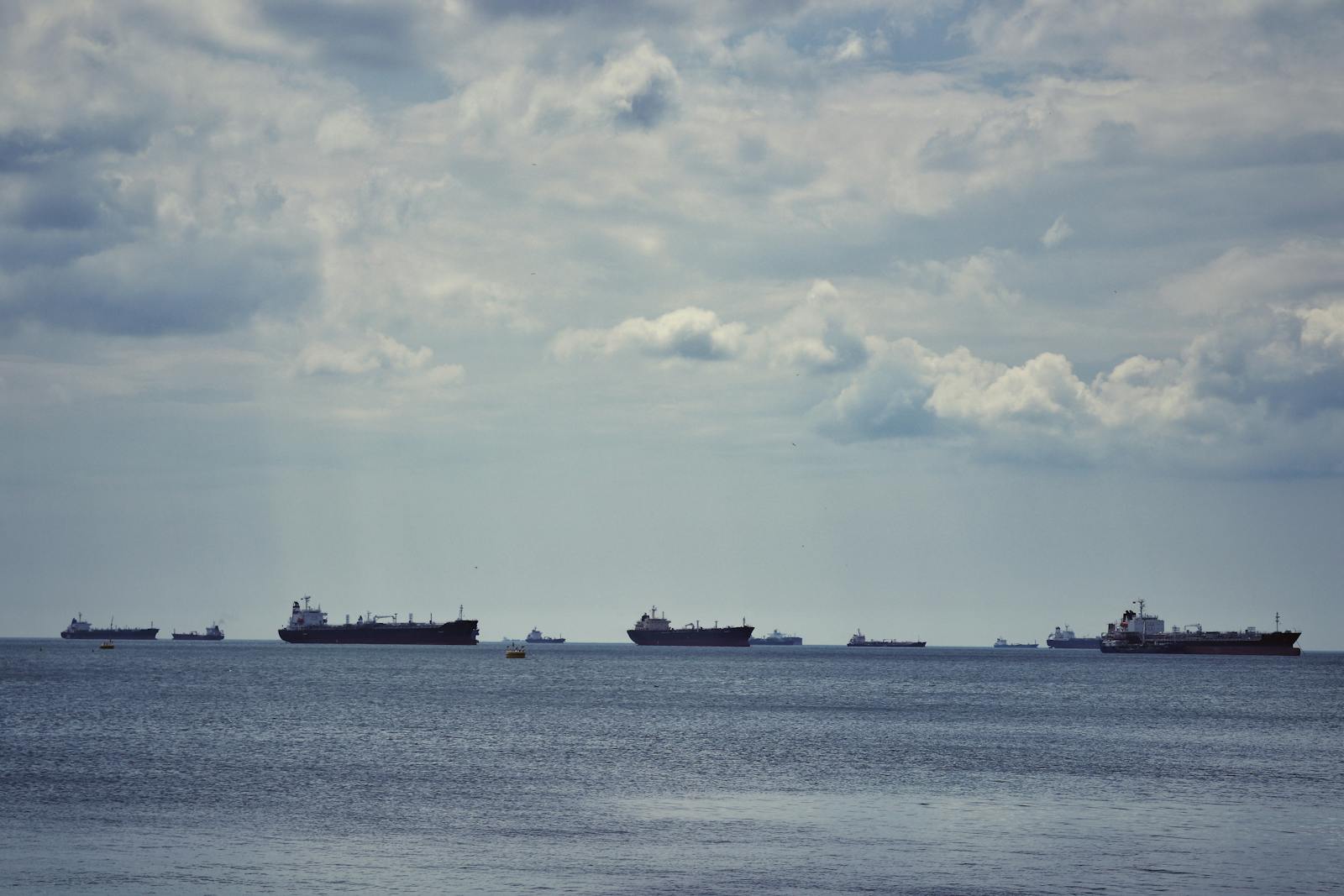
US naval forces boarded an Iranian-flagged container ship near the Strait of Hormuz over the weekend, escalating tensions in the region and pushing fragile diplomatic efforts to the edge of collapse. The operation casts serious doubt on talks scheduled for Monday in Pakistan.
President Donald Trump said the vessel had attempted to breach a US naval cordon. Iran’s joint military command characterized the seizure as an act of piracy and warned of retaliation. Iranian state media indicated Sunday evening that Tehran no longer plans to participate in new discussions with Washington.
What happened at the chokepoint
US forces released video footage of the boarding operation. According to reporting by The Guardian, the ship was seized after trying to evade increased US naval presence that began last week. A truce currently in place is set to expire by Wednesday.
That timing is not incidental. A seizure in the final hours of a ceasefire functions as both a military act and a negotiating posture, a demonstration that increased naval presence is not symbolic and that Washington intends to enforce it physically. Tehran’s response, so far, has been rhetorical. Whether it stays that way depends on what Iranian commanders decide the piracy framing obligates them to do.
The geography that makes this dangerous
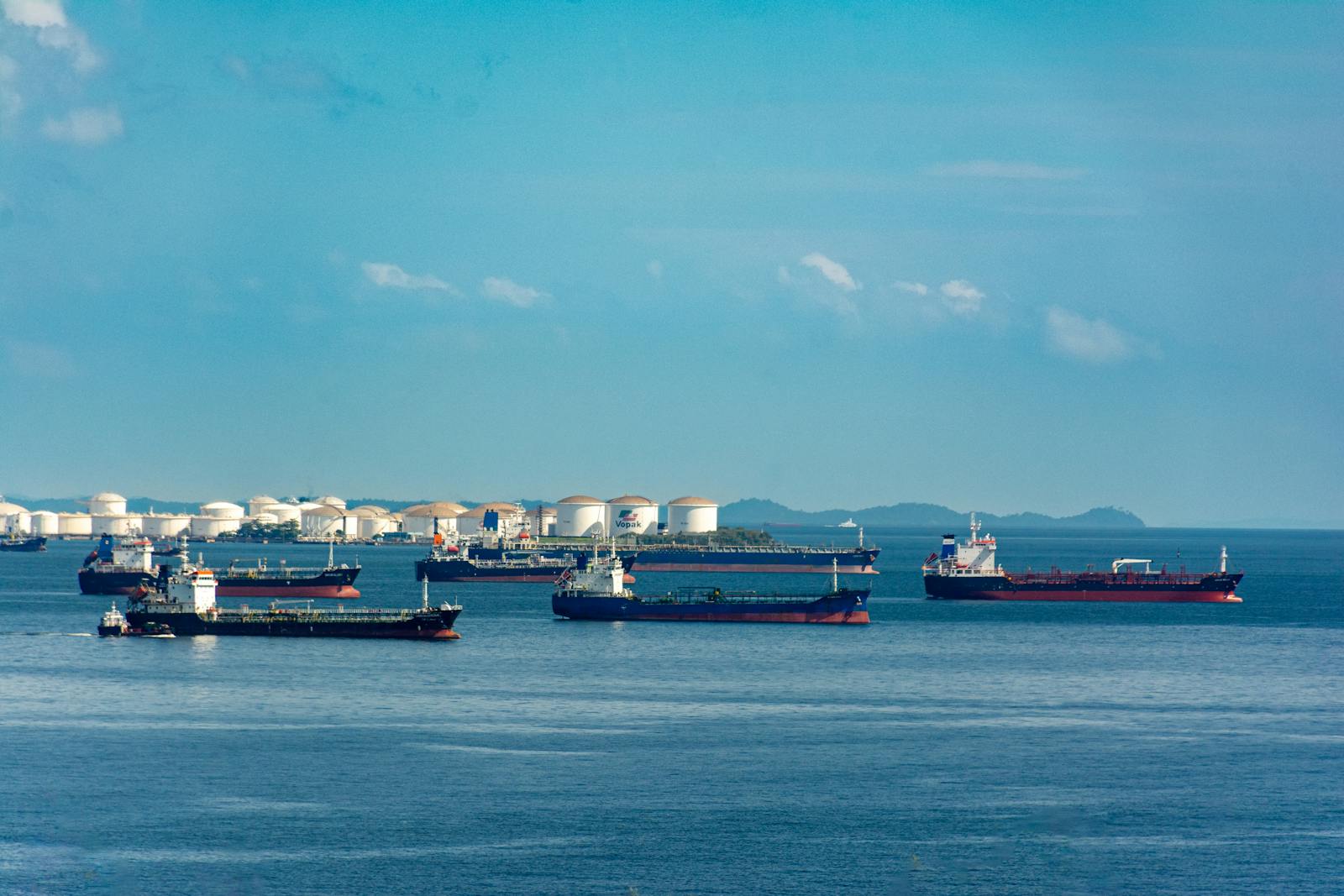
The Strait of Hormuz is a roughly 21-nautical-mile-wide chokepoint through which a significant share of the world’s seaborne oil passes. Increased military presence there is not a distant policy abstraction. It is a physical presence of warships in one of the most congested and politically sensitive waterways on Earth, where a misread radar return or an unauthorized maneuver by a junior officer can initiate a crisis that neither capital intended.
Trump has defended broader military posturing against Iran in stark terms, citing concerns about Iran’s nuclear program. Asked whether heightened tensions were ending, he said the situation was approaching resolution but maintained that all options remain on the table. The contradiction in those two positions is the operating condition of the current standoff.
The political calculus at home
US public opinion has turned against the administration’s handling of the conflict. Polling data shows significant disapproval of Trump’s management of Iran-related tensions, figures that track with disapproval of his handling of inflation. A wartime president with high disapproval has less political room to escalate, and more incentive to frame each incremental action as defensive enforcement rather than provocation. The piracy-versus-blockade dispute is, in part, a fight over which vocabulary the international audience adopts.
Why the talks may not survive
Negotiations were expected Monday in Pakistan. Islamabad’s role as a venue reflects its unusual position, a nuclear-armed Muslim-majority state with functional channels to both Washington and Tehran, and one of the few capitals acceptable to both sides.
Tehran’s Sunday evening announcement threw the session into doubt. Whether that is a final position or an opening bid is the question diplomats will be parsing for the next 48 hours. Tehran has historically used the language of outrage to create bargaining leverage, then returned to the table on adjusted terms. But tight timing compresses the window for that choreography.
A second front in Los Angeles
The maritime confrontation is not the only Iran-related enforcement action in motion. Federal agents arrested Shamim Mafi, a California woman, at Los Angeles International Airport on Saturday night. Prosecutors allege she brokered the sale of weapons and ammunition on behalf of the Iranian government, including drone sales to Sudan’s defense ministry.
Sudan’s civil war has killed tens of thousands of civilians since 2023, and Iranian-supplied weapons have featured prominently in the conflict. The arrest signals that the Justice Department is building a case for enforcement legitimacy on grounds broader than nuclear enrichment alone, weaving together proliferation, arms trafficking, and regional destabilization into a single enforcement architecture.
What orbital and maritime power have in common
Chokepoints, whether they are narrow straits or crowded orbital shells, reveal how states actually think about power. The Strait of Hormuz and low Earth orbit share a structural feature, they are physical spaces where a small number of actors can impose disproportionate costs on everyone else by denying access. Increased presence at Hormuz and an anti-satellite demonstration in LEO operate on the same logic, the threat of foreclosure.
That logic is why the current confrontation has implications well beyond the immediate crisis. As Space Daily has explored in its analysis of how the Hormuz crisis is pulling Beijing into Moscow’s orbit, the realignment of strategic partnerships that follows disruptions tends to outlast the disruption itself. China imports a substantial portion of its crude through Hormuz. A sustained closure forces alternative supply arrangements that, once built, do not dissolve when the strait reopens.
The next 72 hours
Three questions will shape what follows. Does Iran convert its piracy framing into a kinetic response, and if so, against what target. Does the ceasefire expire on schedule or get extended by backchannel arrangement. And does the Pakistan venue survive Tehran’s Sunday night rejection, or does some third capital step in.
Trump’s framing, that tensions are approaching resolution but that the US maintains options, is the characteristic posture of a leader who wants to claim progress without closing off the option of further action. The captured vessel is now a bargaining chip, a legal case, and a piece of video evidence all at once. How Tehran chooses to respond will determine which of those identities matters most.
For now, a ship sits under American control in one of the world’s most watched waterways, and two governments are calculating, in very different languages, what the seizure is supposed to mean.
Photo by Fatih Özkan on Pexels