


The conventional retirement story holds that the secret to a happy old age is staying active — keep working, keep volunteering, keep filling the calendar so the days never feel empty. Research suggests a different story. The seventy-somethings who report the highest life satisfaction aren’t the ones who replaced careers with equally frantic schedules. They’re the ones who finally let themselves rest without first requiring exhaustion as the price of admission.
This is a generational pattern more than a personal one. Common narratives suggest that people who came of age between the 1950s and 1980s often absorbed a specific moral logic about rest: it had to be earned, and the currency was suffering. You worked until you were depleted, and only then did you deserve the couch, the nap, the slow morning. Anything else was laziness wearing a costume.
The cost of treating rest as a reward
That logic doesn’t dissolve at age sixty-five. It calcifies. People retire and then reconstruct the same earn-it economy in their personal lives — overcommitting to grandchildren, taking on three volunteer boards, scheduling the calendar as densely as their old jobs ever did. The relief they expected never arrives because the underlying belief never changed.
Studies on retirement well-being find that retirees who build in genuine downtime report higher satisfaction than those who structure their post-work years around perpetual productivity, a finding echoed across recent research on retirement pathways. Busy isn’t the same as well.
The happiest seventy-somethings figured out something quieter. Rest stopped being a transaction.

Why the busy retirement myth refuses to die
The idea that an active retirement equals a happy retirement has cultural staying power for a reason. It maps cleanly onto the cultural work ethic that most boomers were raised inside. It also gives families and friends an easy script. Asking what they’re up to these days or what they’re keeping busy with demands an answer with verbs in it.
So people invent verbs. They join clubs they don’t enjoy. They take pottery classes that feel like obligations within three weeks. The performance of activity becomes its own job, with the same exhaustion and none of the paycheck.
Researchers studying elderly sandwich generation caregivers found that productive engagement patterns only correlate with life satisfaction when the engagement is genuinely chosen rather than felt as duty. The distinction matters. Volunteering because you want to and volunteering because retirement made you feel useless produce opposite emotional outcomes.
The seventies are when the difference becomes impossible to fake.
The first generation with a long, healthy unemployment
Part of what makes this hard is that there’s no inherited template. The current generation of retirees is among the first in human history to outlive their economic usefulness by two or three decades, with no cultural script telling them what a long, healthy, unemployed life is supposed to mean.
Their parents died at sixty-eight. They’re still hiking at seventy-eight. The math is unfamiliar.
Without a script, people default to the only one they know — the work script. They wake up early. They schedule the day. They measure success by output. The body is willing for a while. Then somewhere around seventy, the body sends a different message, and the people who listen tend to do better than the people who push through.
What rest actually looks like when it’s not earned
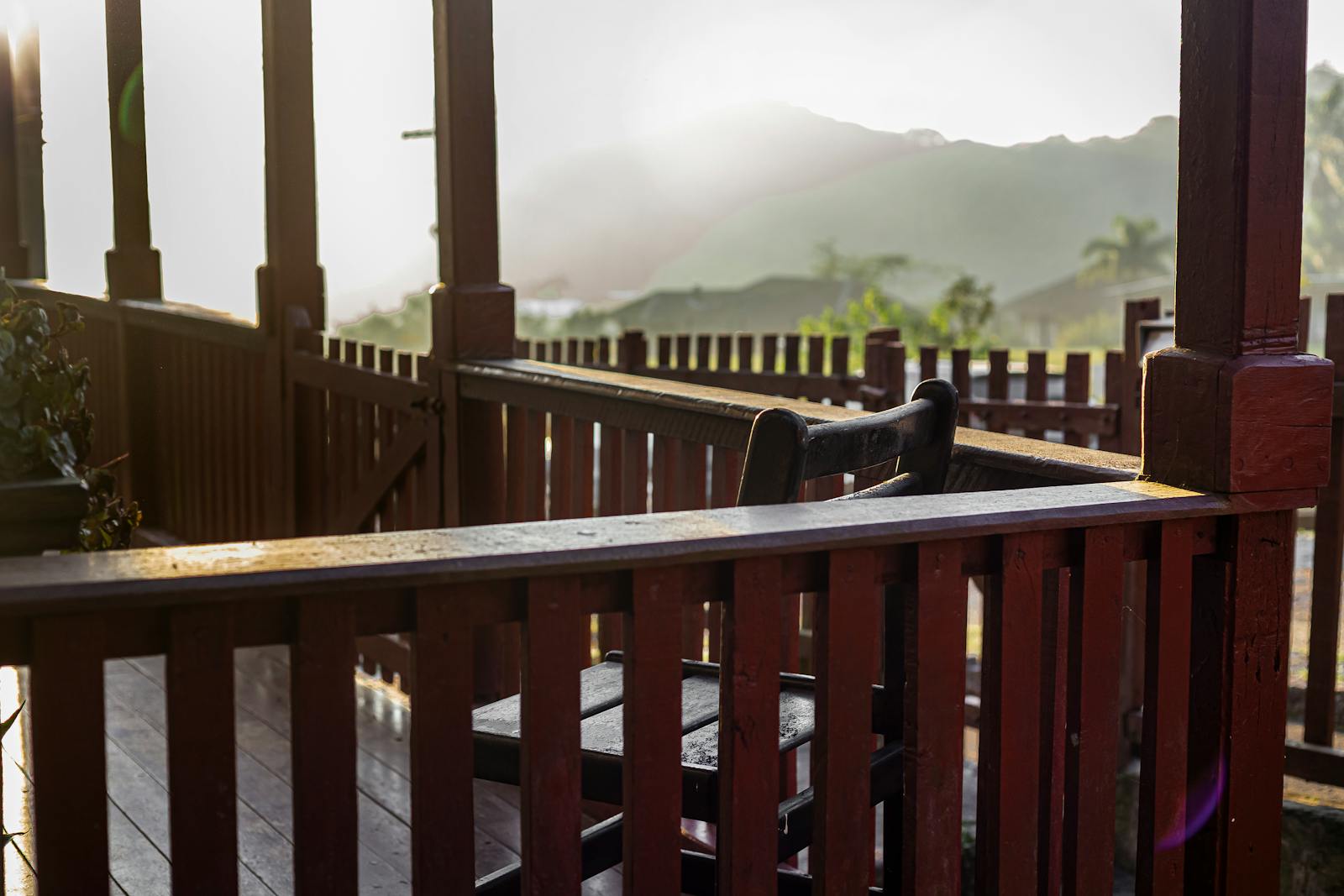
Unearned rest is harder than it sounds. It means sitting on a porch for an hour without checking a phone or feeling guilty. It means saying no to the grandkids’ soccer game because you’re tired, and not catastrophising that decision into evidence of failing love.
It means the morning coffee takes forty minutes because nothing is waiting.
People who manage this report a peculiar discovery. They start liking themselves again. The version of them that existed before they became responsible for everyone — the curious, slightly aimless, internally rich person — comes back. The small uncurated self that years of being responsible for others nearly erased often gets oxygen again in the seventies.
That recovery doesn’t happen on a packed calendar. It happens in the gaps.
The body keeps a longer memory than the mind
There’s a physical layer to this too. People who spent forty years in jobs that punished their bodies — nurses, teachers, construction workers, anyone in service work — carry that depletion into retirement. Workers in physically demanding jobs face higher health risks that extend well into retirement age.
Telling those people to stay busy is sometimes telling them to keep absorbing damage they were finally entitled to stop absorbing.
The neurological picture isn’t simple either. The brain in its sixties and seventies responds differently to physical and metabolic stressors than it did at midlife. The same intensity that built resilience at forty-five can erode it at seventy-two. Recovery time is part of the equation now, not an optional add-on.
The five habits that quietly separate the satisfied from the strained
According to BBC Science Focus research on retirement well-being, several habits strongly predict retirement health. Movement matters. Social connection matters. Purpose matters. But the underlying variable in all of them is whether the person is doing these things because they want to, or because they’re afraid of what will happen if they stop.
Fear-driven activity ages people faster than rest does.
Studies of retirement satisfaction find that the gap between retirees who describe their pace as “chosen” versus “required” is substantial. The pace mattered more than the portfolio.
That’s a striking result. Money buys options. But options only translate into happiness when the person knows how to choose stillness as one of them.
Friendship in the seventies looks different too
The social piece deserves its own attention. The seventies are when the friendship circle has already narrowed naturally — through death, distance, and deliberate pruning. People who shrink their circles after forty aren’t becoming antisocial — they’re choosing based on feeling rather than obligation. By seventy, that pruning has done most of its work.
What’s left is, ideally, real. A few people you can sit with in silence. A few you can call at midnight. The performance of friendship gives way to its substance.
And substance doesn’t require constant scheduling. The happiest older people often see their close friends less often than they did at forty, but with more depth when they do. The dinners are longer. The phone calls are unhurried. Nobody is checking the time.
The exercise paradox
None of this is an argument for sloth. Research on physical activity and mental health is unambiguous — movement protects mood, cognition, and sleep across the lifespan. The seventy-somethings doing well are usually walking, swimming, gardening, or playing some version of the racquet sports that have become popular among older adults.
But there’s a difference between movement that comes from listening to the body and movement that comes from punishing it. The first kind is sustainable into the eighties. The second kind produces injuries and resentment by seventy-three.
The frame matters. Walking because the morning is beautiful is rest. Walking because you’re afraid of decline is work. Same activity, different nervous system.
Self-efficacy without self-punishment
Psychology research has long emphasised the role of self-efficacy in life satisfaction and resilience — the belief that you can handle what comes. In the seventies, self-efficacy stops being about achievement and starts being about adaptation. Can you handle the slower body? The narrower world? The afternoon when nothing is scheduled?
People who can answer yes tend to thrive. People who only know how to feel competent through accomplishment tend to spiral.
This is where the earn-rest mindset becomes most damaging. If your sense of worth requires producing output, retirement is a slow identity crisis. If your sense of worth includes the capacity to simply be, retirement is a release.
The grit question
There’s a related body of work on grit and persistence — how personal grit influences exercise habits and growth — and it’s worth saying that grit is a young person’s virtue with diminishing returns later. The seventy-somethings who keep applying grit to every domain of their lives wear themselves down. The ones who graduate from grit to discernment — knowing when to push and when to stop — do better.
Discernment is the older sibling of grit. It’s what grit becomes when it grows up.
What the future looks like from here
I think about this more now that I have a seven-year-old. The world she’ll inherit will ask different things of her, and one of them, I hope, will be a different relationship with rest than the one her grandparents were taught. Watching older relatives work themselves into exhaustion to feel they deserved a Sunday afternoon was a strange education. The lesson stuck in ways I’m still untangling at pickup time, when I have to decide whether to answer one more email or just go.
Most days I just go. Some days I don’t. The point isn’t perfection. The point is noticing the choice.
The seventy-somethings who got there figured out that rest was never the reward at the end of life. It was a skill they had to learn, often late, often clumsily, after decades of believing the opposite. The ones who learned it report something the busy ones don’t — a quiet sense that the day was enough, even though nothing on it could be put on a résumé.
The quiet ending
You can spot them at coffee shops in the late morning. They’re not on their phones. They’re not waiting for someone. They’re just there, watching the street, in no particular hurry. Forty years of suffering convinced them they had to earn this. They finally stopped believing it.
That’s the upgrade. Not more activity. Not less love. Just the dropping of an old contract that said peace had to be paid for in pain. The happiest people in their seventies tore that contract up and discovered the world didn’t punish them for it.
It rewarded them with the years they had left.
Photo by cottonbro studio on Pexels
