

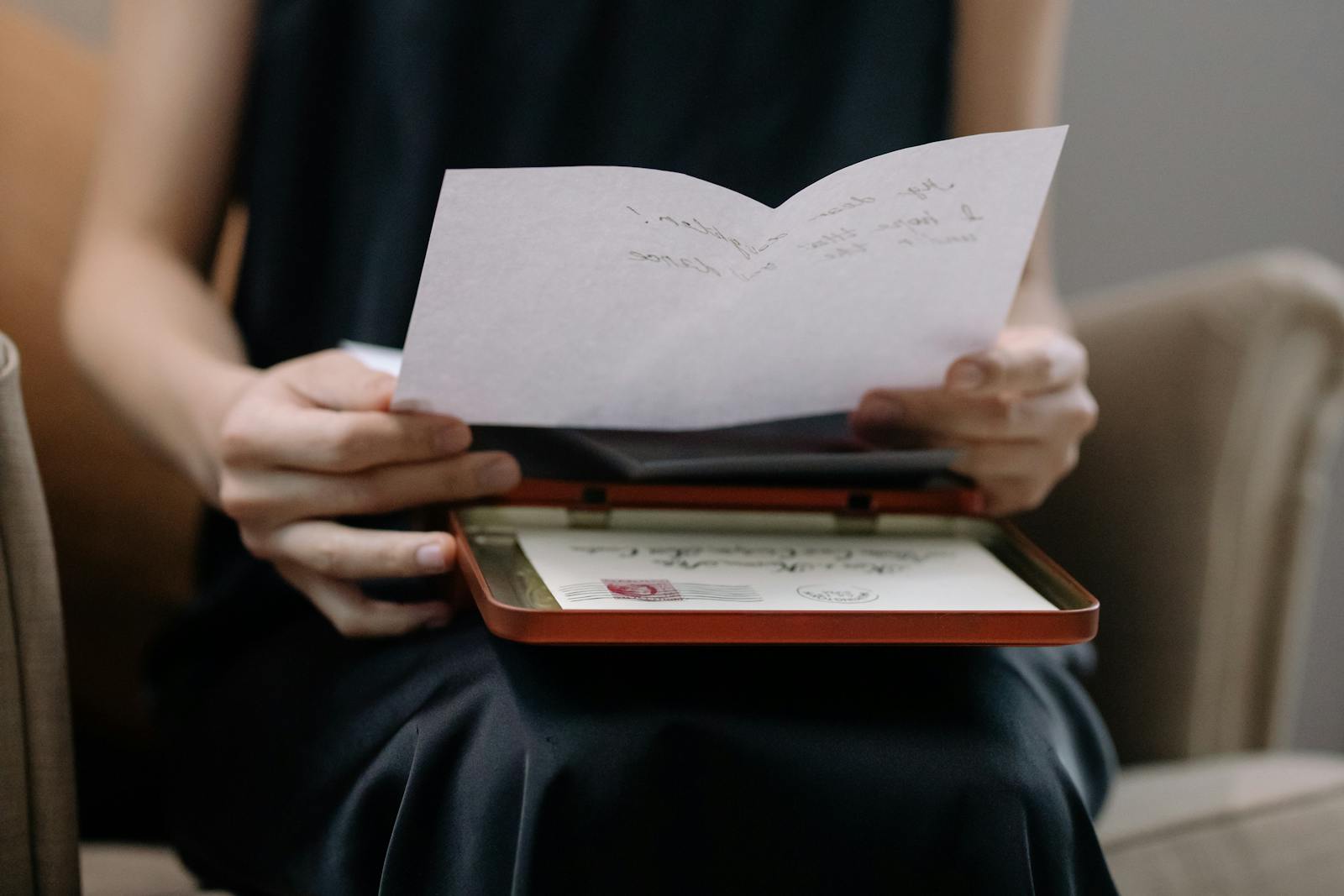
For two decades, technology forecasters insisted that paper correspondence would vanish without anyone mourning it. The prediction was that email, then texting, then voice notes would simply absorb the function of letters and we would forget the older form the way we forgot telegrams. They were half right. The function got absorbed. The mourning is happening anyway, quietly, in the form of boxes at the back of closets that almost nobody opens but almost nobody throws away either.
If you have one of those boxes, you already know the feeling. You are not someone who rereads the letters often. You may not have looked inside in years. But you know exactly where it is, and you know you are not getting rid of it.
What the box actually contains
The box is usually described as sentimental, which is the word people use when they want to file something away without examining it. Sentimentality implies softness, indulgence, a vaguely embarrassing attachment to the past. That framing misses what is actually being preserved.
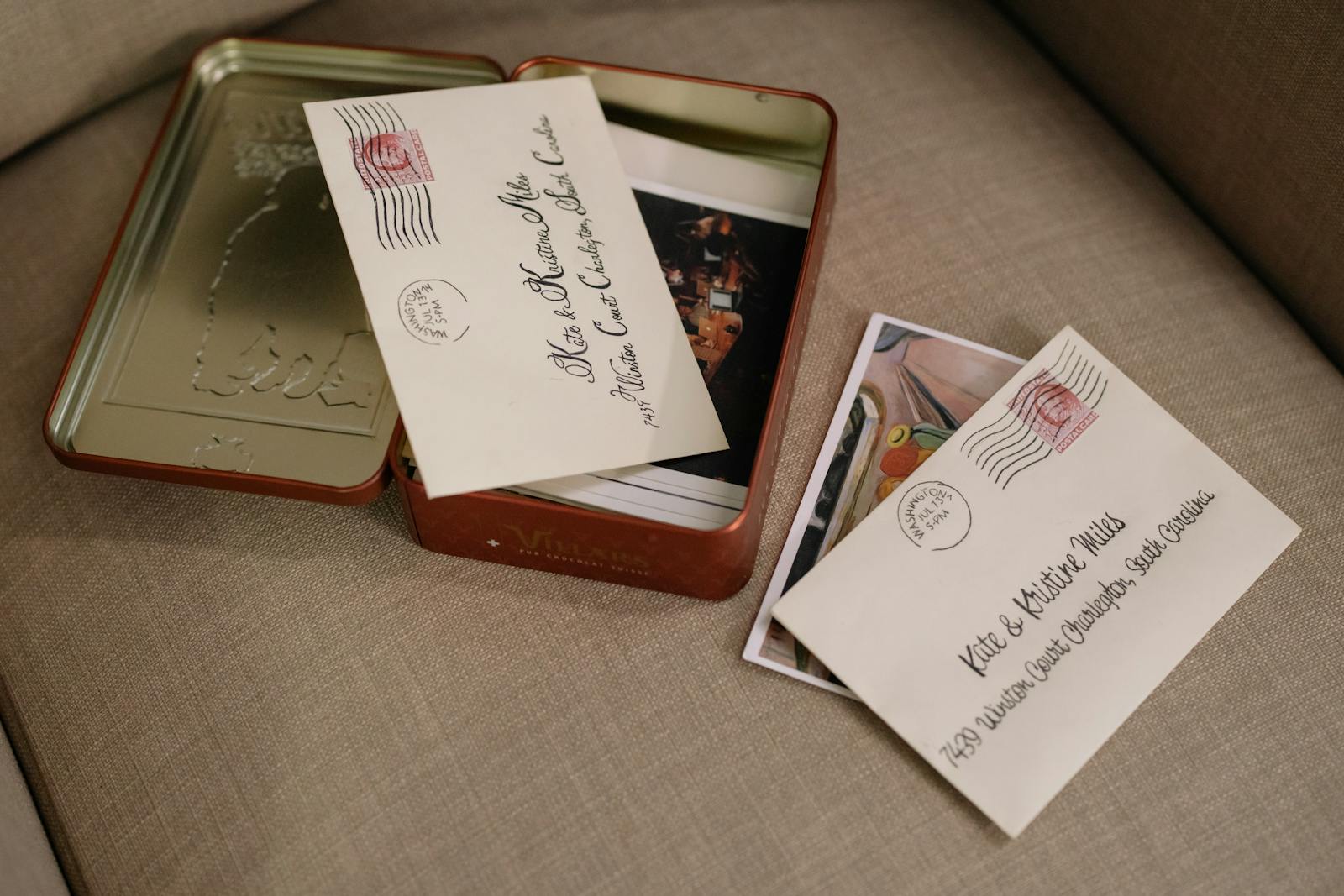
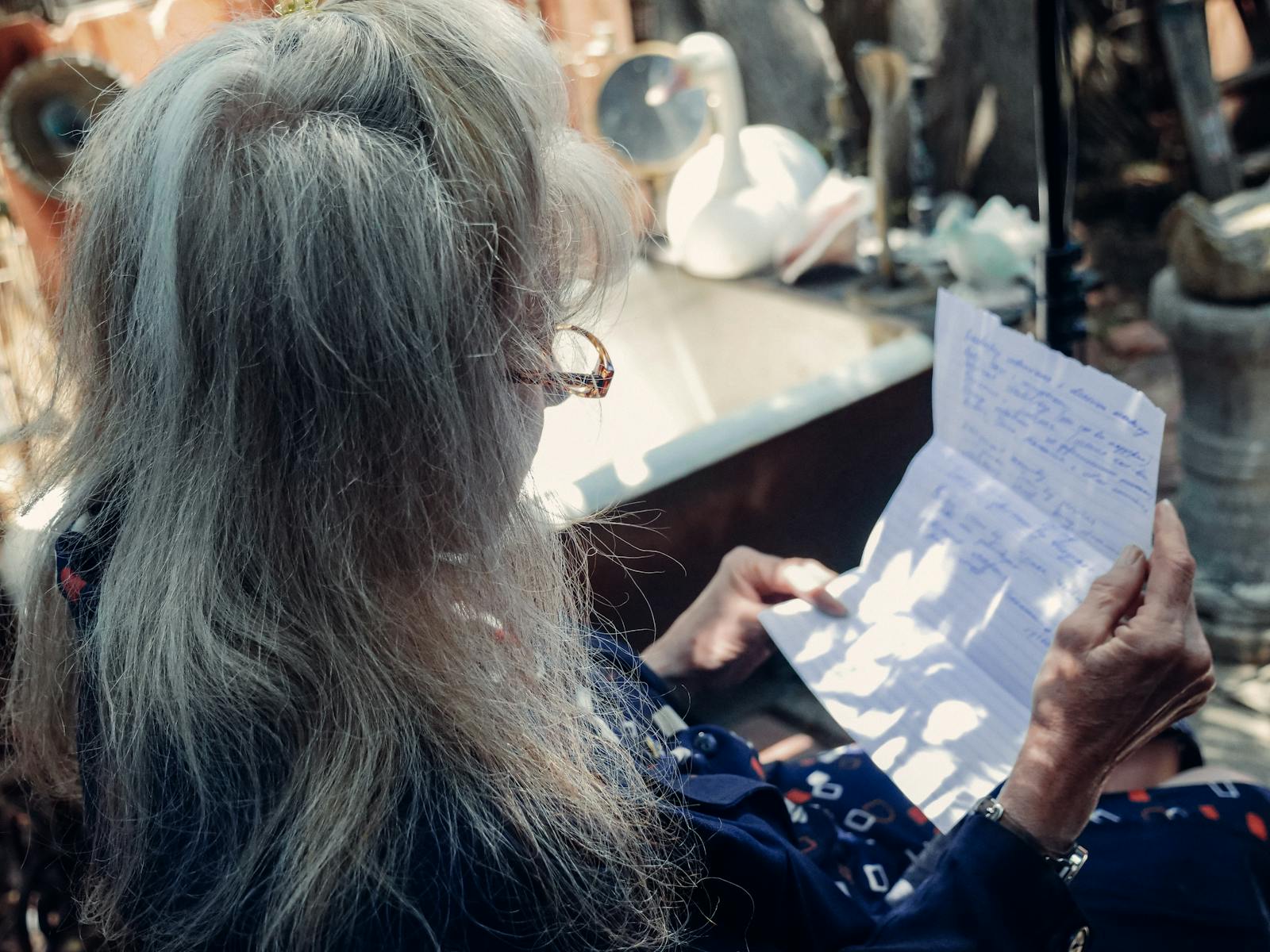
A handwritten letter is evidence of a specific event: a person sat down, blocked off a portion of their finite life, and spent it thinking only about you. They chose the paper. They wrote in their own hand, which means every loop and slant is a record of their nervous system on that particular afternoon. They sealed it, addressed it, found a stamp, walked it to a postbox. The whole sequence took somewhere between twenty minutes and several hours.
The box holds proof of attention. That is the actual asset. And the reason people keep it close even when they never reread it is that the modern communication environment does not produce that proof anymore, and at some level they know they need to hold onto whatever they already have.
Why a text doesn’t replace it, even when the words are identical
Skeptics of the letter argument tend to say that a long text message can carry the same emotional weight as a written one. The words are the same. The intent is the same. Why should the medium matter?
Because effort is a signal, and the brain reads signals before it reads content. A text that says I love you takes about three seconds to send and could have been written between meetings, on a treadmill, while waiting for an elevator. A letter that says the same thing took an hour. The recipient’s nervous system registers the difference before the conscious mind does.
There is also the matter of what handwriting itself does to the writer. Research summarised by NPR on the cognitive effects of handwriting found that putting pen to paper engages the brain differently than typing — slower, more deliberate, and more linked to memory formation. Which means the person writing the letter was not just communicating. They were thinking about you in a more concentrated way than typing would have allowed.
You can feel this when you read an old letter. Something about the writer’s effort is preserved in the ink that does not survive in a screenshot.
Effort as a love language nobody named
The reason older generations valued physical post so highly was not nostalgia, although nostalgia is the word commonly used to dismiss the preference. A letter is proof someone thought of you specifically and took an action that required time and effort, and the combination of intention and effort is what registers as love.
The combination is the thing. Intention without effort is a thought. Effort without intention is a chore. A letter is both at once. It is the only common form of communication that requires the sender to demonstrate they meant it by spending something irretrievable — time, attention, the small physical labour of writing — to prove it.
Which is why people who keep boxes of letters are often people who grew up suspicious of cheap signals. They learned early that words are easy and that what matters is what someone was willing to do to deliver them. Being remembered, in this framework, is something done, not just felt.
The problem with infinite scroll affection
Modern communication is abundant in volume and impoverished in proof. You can receive a hundred messages a day from people who like you. None of them constitute evidence in the way a single letter does, because none of them required the sender to give up anything meaningful to send.
The result is a strange ambient loneliness in people whose phones never stop buzzing. They are in constant contact and yet starved for the specific reassurance that someone, at some point, sat in a quiet room and thought only about them for half an hour. That reassurance is what closes the loop on whether you actually matter to a person.
A text takes three seconds. A voice note takes thirty. Neither requires the sender to surrender anything they will miss. The currency of attention has been devalued precisely because the cost of expressing it has fallen to almost nothing. When everything is cheap, nothing reads as proof.
Why we cannot generate this proof for ourselves anymore
You might think the obvious solution is to start writing letters again. People say this every few years. The campaigns rarely work, and not because people are lazy.
They don’t work because letter-writing requires a cultural environment where the recipient also values the medium. If you write a letter to someone who responds with a brief, casual text message, the asymmetry is unbearable. The form requires a counterparty who treats it the way you do, and that counterparty is increasingly hard to find. UK data covered by Glass Almanac found that in 2024, only about one in nine children and young people reported writing something daily in their free time, down from roughly one in five the year before. The handful of people who still maintain the practice are treated as curiosities rather than carriers of a normal social skill.
So the box at the back of the closet is not just a record of past affection. It is a record of a communication form that the writer and recipient both took seriously, in a world where almost no one takes it seriously anymore. You cannot replenish the box. The supply of this kind of proof has been cut, and the letters you already have are the only ones you are going to get.
The quiet case for not throwing them out
People sometimes feel they should clear out their letters. The reasoning is usually that they don’t read them, that the relationships are old, that minimalism is healthier, that the past should not weigh down the present.
I would push back on this gently. The letters are not weighing you down. They are doing a small but real piece of psychological work in the background, even when you don’t open the box. They are reminding you, somewhere below conscious thought, that you have been the object of focused attention before — that someone, at least once, considered you worth an hour of their finite life. In an environment that no longer manufactures that proof, the proof you already possess becomes the only proof there is. Psychology Today’s coverage of how photos and physical artefacts can stir emotions and meaningful reflection points to something letter-keepers know intuitively: an object that took effort to produce holds emotional information your phone cannot replicate.
If you have a box, leave it where it is. You don’t need to read the letters. You don’t need to organise them. You just need to know they exist — that somewhere in your house is documented evidence that someone once spent thirty minutes thinking about no one but you. The world has stopped generating that evidence. What you already have is what you get.
Photo by cottonbro studio on Pexels
