

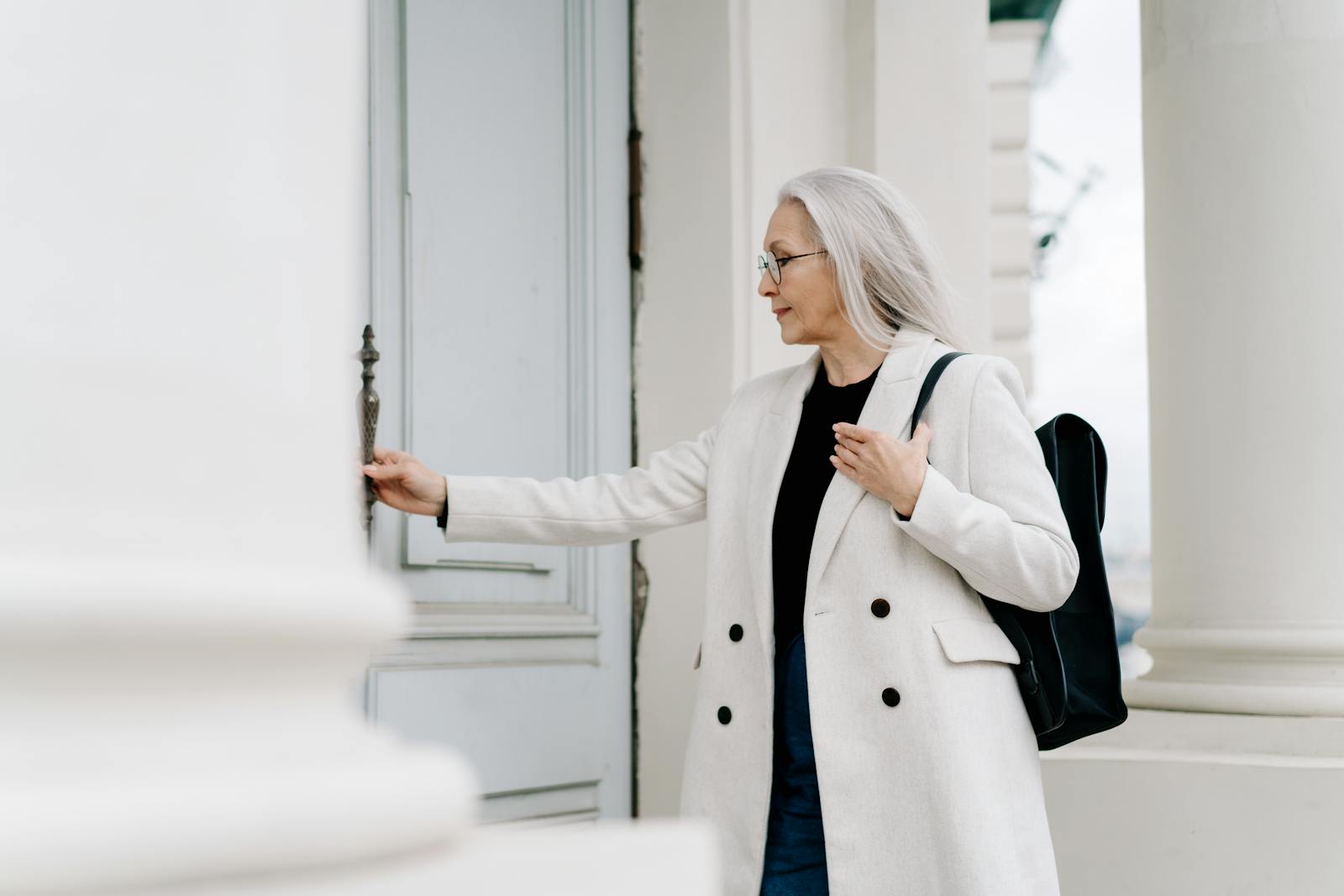
Most people think confidence is a feeling that arrives before action, a kind of internal weather that has to clear before you step outside. They wait for it. They postpone the difficult conversation, the application, the creative risk, until some interior voice gives them permission. The permission never comes. What they are calling confidence in others is almost always something else: the willingness to move while the doubt is still mid-sentence, to act before the verdict has been delivered.
This distinction matters because the wrong definition keeps people stuck for decades.
The myth of certainty
The cultural script tells us confident people have somehow resolved their doubts. They’ve done the inner work, banished the critic, arrived at a kind of psychological clearing. Watch them closely and you’ll find this isn’t true. What they have done is develop a different relationship with uncertainty. They have learned that the doubt does not need to finish speaking before they can move.
The doubt is nearly universal. What separates people is not whether they hear the inner voice questioning them, but whether they treat that voice as information or as instruction. Treat it as instruction and you wait. Treat it as information and you proceed anyway, carrying the doubt along like weather you walk through.
What the brain is actually doing
Decision science offers a useful frame here. Cognitive neuroscientists studying perceptual decision-making have mapped what they call an integration-to-boundary mechanism in the brain. When facing a choice, neurons accumulate evidence over time. A response is committed only when that evidence crosses an internal threshold, a boundary the decision-maker effectively sets.
Here is the part that matters for confidence. The boundary is not fixed. It is internally controlled. Some people set the threshold high and demand mountains of evidence before acting. Others set it lower and act on partial information, accepting that they may sometimes be wrong.
The high-threshold person looks careful. They are also, often, paralysed.
The low-threshold person looks bold. They are also, often, the one who learns faster, because action generates new evidence in a way that rumination never can.
Doubt as fuel rather than brake
The instinct is to read self-doubt as a problem to be solved. Research summarised in Psychology Today points to work showing that athletes who carry a measured amount of self-doubt into competition often outperform those who feel entirely sure of themselves. The doubt sharpens attention. It prevents the complacency that arrives with absolute certainty.
The trouble is not the presence of doubt. The trouble is the agreement we make with it: that we will not move until it leaves the room.
It never leaves the room. That is the structural truth nobody mentions.
The cost of waiting
If you wait for doubt to finish its sentence, the world fills the silence with someone else’s voice. The pattern often plays out like this: some people apply for jobs when they meet around 60% of the qualifications, while others wait until they meet 100%. Whatever you make of this dynamic, the underlying mechanism is what matters: the people who act on partial qualification accumulate experience faster, and experience is what eventually closes the confidence gap.
The ones who wait for full readiness are not being prudent. They are paying a hidden tax, compounded over years, on every opportunity that required them to move before they felt ready.
Why action precedes feeling
The conventional sequence is: feel confident, then act. The actual sequence, when you watch people who have built durable competence in anything, is closer to: act, gather feedback, revise self-image, act again. Confidence is downstream of action, not upstream.
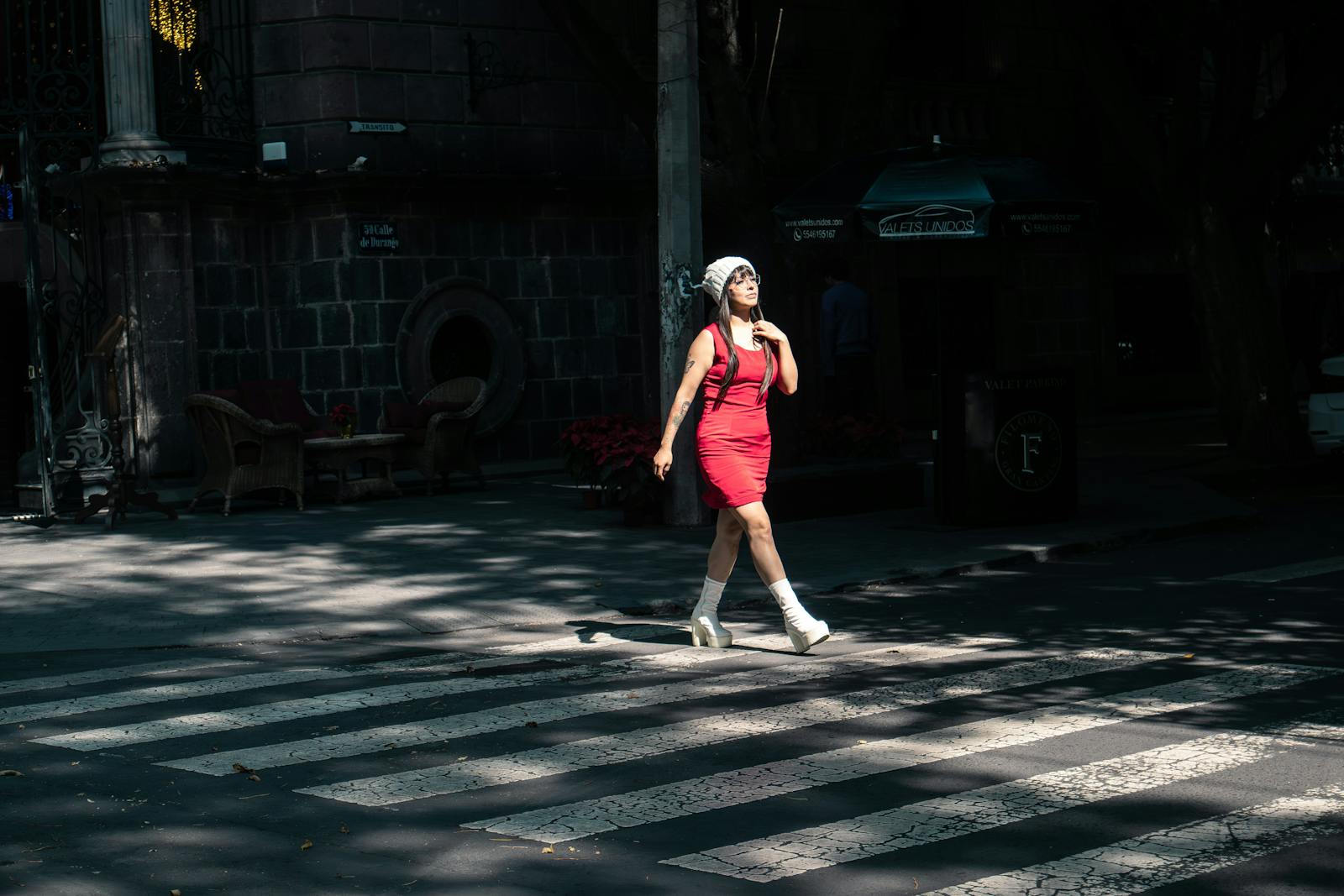
This inverts the folk model. People assume confidence is something you accumulate by collecting wins. In practice, the people who collect wins are the ones who acted while still uncertain, and built the wins from the willingness itself.
The doubt’s sentence is usually a question
Listen carefully to the inner voice that arrives before any meaningful action. It rarely makes definitive statements. It asks. What if you fail? What if they say no? What if you’re not actually qualified for this?
These are questions, not predictions. They cannot be answered by sitting still. The only way to answer them is to act and watch what happens.
Confidence, in the operational sense, is the willingness to let the question stay open. To proceed without resolving it. To accept that the answer will arrive only after you have moved.
Most people treat the question as if it requires an answer before they can do anything. They sit with it. They turn it over. They google it, journal about it, ask their friends, run it through ChatGPT. The question, sensing attention, expands. It generates more questions.
None of this produces information that wasn’t already available.
The role of self-trust
What separates the people who move from the people who wait is not the quality of their self-talk. It is something more like a working trust in their own ability to handle whatever the action reveals. They do not need to know they will succeed. They need only to know they will survive the result, learn from it, and try again.
Self-trust is not the conviction that you are right. It is the willingness to discover whether you were.
The cost of being articulate about your fears
One trap that catches thoughtful people: the more articulate you become about your doubts, the more legitimate they sound. You can describe your fear with such precision that it becomes a kind of evidence in its own right. I have thought about this carefully and concluded I am not ready.
The articulacy is the problem. A fear that has been beautifully described feels truer than one that arrives as inchoate dread. But the quality of your description has nothing to do with the accuracy of the prediction. You can be a brilliant essayist about your own incompetence and still be entirely capable.
What it looks like in practice
Watching someone act before doubt finishes is not dramatic. It rarely looks brave. The person sending the email, raising the hand, signing the lease, ending the relationship, starting the new thing — they often look ordinary, sometimes nervous, sometimes a little distracted. The internal experience is not the absence of fear. It is something more like: I am going to do this now, and the doubt can come along if it wants.
This is closer to the texture of real courage than the cinematic version. Real courage is unceremonious. It is, mostly, the small act of not waiting.
This is what genuinely sophisticated people seem to understand instinctively. As Space Daily has explored, the people who are genuinely classy and sophisticated have stopped needing the room to confirm them. They act from a place that does not require permission. The doubt is still there. They have simply stopped asking it for instructions.
Letting the sentence stay unfinished
The practical implementation is smaller than people expect. You do not have to silence the inner voice. You do not have to feel ready. You only have to lower the threshold at which you will let yourself act, and then move once before the doubt has reached its period.
Send the email with the question still hanging. Make the call before you have rehearsed the perfect opening. Begin the work before you have decided you are qualified to do it. The doubt will keep speaking. You will simply no longer be in the room when it finishes.
This is what the opening promise comes down to. Confidence is not the absence of doubt — that version of you, the one who would act only when fully ready, does not exist and never will. Confidence is the willingness to act before the doubt finishes its sentence, knowing that the sentence has no natural ending. It will keep generating reasons as long as you keep asking it to. The only way to end the loop is to interrupt it.
Most lives are shaped by how that small interruption gets practiced, again and again, in moments nobody else witnesses. The willingness to stand up mid-sentence, to walk out of the conversation with your own fear, to begin before the internal jury has reached a verdict — this is what confidence actually is. Not the silence of doubt. The willingness to speak over it.
Photo by cottonbro studio on Pexels
